








Steel Products Testing plays a central role in construction quality assurance because steel serves as the main reinforcement material in concrete structures. Buildings, bridges, roads, and industrial facilities rely on steel bars and structural steel components to carry heavy loads and resist tension forces that concrete alone cannot handle. Steel Products Testing verifies that every batch of steel delivered to a project site meets required strength, ductility, and chemical performance standards.
Steel Products Testing also supports compliance with construction regulations and engineering design requirements. Without proper verification, substandard steel may enter the supply chain, increasing risks of structural failure, cracking, or premature deterioration. Construction professionals depend on certified laboratory results to confirm that materials match approved specifications.
Inch-On Materials Testing Laboratory performs Steel Products Testing following ASTM A370 standards. These procedures ensure accurate evaluation of reinforcing steel bars and other steel products used in structural applications.
Steel Products Testing helps engineers and contractors confirm that materials perform as expected under real-world stress conditions, especially in high-load and seismic-sensitive environments.
Importance of Steel Products Testing in Construction Projects
Steel Products Testing directly impacts structural safety and long-term building performance. Every construction project depends on consistent material quality, and steel serves as the backbone of reinforced concrete systems.
Structural Reliability and Load Performance
Steel Products Testing confirms that reinforcing bars can withstand tensile forces and maintain stability under heavy structural loads. Buildings depend on steel reinforcement to prevent collapse during extreme stress conditions. Poor-quality steel can lead to deformation, cracking, and reduced load capacity.
Steel Products Testing evaluates yield strength, ultimate tensile strength, and elongation properties to ensure materials behave according to design expectations.
Compliance with Engineering Specifications
Steel Products Testing ensures delivered materials match approved mill certificates and project specifications. Engineers specify steel grades such as Grade 40, Grade 60, or Grade 75 depending on structural requirements. Testing confirms whether supplied steel meets these standards before installation.
Accurate Steel Products Testing reduces the risk of using incorrect materials that may compromise structural integrity.
Safety and Long-Term Performance
Steel Products Testing also evaluates ductility and flexibility, which are essential for structural performance in seismic zones. Steel must absorb energy during ground movement without sudden failure.
Proper Steel Products Testing supports long-term durability by identifying materials that may corrode or degrade faster than expected under environmental exposure.
Overview of Steel Products Testing
Steel Products Testing refers to a series of mechanical evaluations conducted on steel samples to determine physical strength, deformation behavior, and compliance with engineering standards. These tests simulate real-world stress conditions to measure how steel performs under tension and bending.
Steel Products Testing commonly includes:
- Tensile strength testing
- Yield strength analysis
- Elongation measurement
- Bend and rebend testing
- Hardness testing when required
Steel Products Testing follows standardized procedures such as ASTM A370, which defines methods for mechanical testing of steel products used in construction and industrial applications.
Steel Products Testing applies to reinforcing steel bars, structural beams, welded steel assemblies, and other construction-related steel components.
Key Methods Used in Steel Products Testing
Steel Products Testing relies on controlled laboratory procedures that measure how steel reacts under mechanical stress. These methods provide reliable data for engineering evaluation.
Tensile Strength Testing
Steel Products Testing includes tensile testing to determine the maximum force steel can withstand before breaking. A sample is stretched until failure occurs, and data is recorded throughout the process.
This part of Steel Products Testing identifies ultimate strength and elongation capacity, which are essential for safe structural design.
Yield Strength Evaluation
Steel Products Testing measures yield strength to determine the point at which steel begins permanent deformation. This value is critical for engineers designing load-bearing structures.
Accurate yield strength data from Steel Products Testing ensures materials will perform safely under expected loads.
Elongation and Ductility Testing
Steel Products Testing evaluates how much a steel sample can stretch before breaking. High ductility indicates better energy absorption, especially during seismic activity.
Elongation results from Steel Products Testing help engineers assess flexibility and structural resilience.
Bend and Rebend Testing
Steel Products Testing includes bending procedures to evaluate resistance to cracking. Steel samples are bent at specific angles and inspected for surface defects.
Rebend testing is also part of Steel Products Testing for reinforcement materials used in critical structures.
Universal Testing Machine Procedures
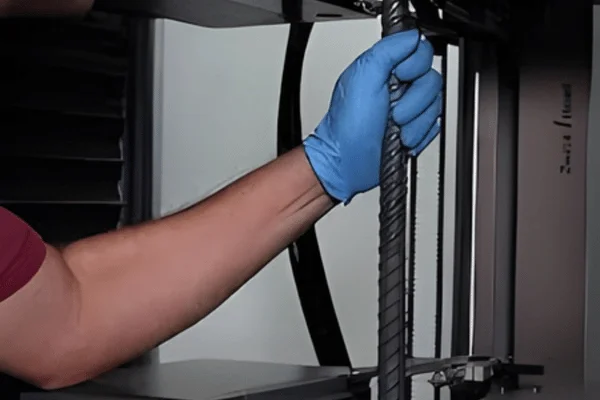
Steel Products Testing is performed using a Universal Testing Machine (UTM), which applies controlled force to steel samples. This equipment ensures consistent and repeatable results.
UTM-based Steel Products Testing allows precise measurement of stress-strain behavior under controlled conditions.
ASTM A370 Standard in Steel Products Testing
Steel Products Testing follows ASTM A370, a widely recognized international standard for mechanical testing of steel products. This standard defines procedures for tensile, bending, and hardness testing to ensure consistent results across laboratories.
ASTM A370 ensures Steel Products Testing remains uniform regardless of location or testing facility. This consistency allows engineers to compare results with confidence.
Steel Products Testing under ASTM A370 helps maintain global construction safety standards by ensuring materials meet minimum mechanical requirements.
Steel Products Testing Process in a Laboratory Setting
Steel Products Testing follows a structured workflow to ensure accuracy and traceability of results.
Sample Collection and Identification
Steel Products Testing begins with proper sample selection from delivered materials. Each sample is labeled to maintain traceability throughout the testing process.
Sample Preparation
Steel Products Testing requires cutting and preparing steel specimens according to standard dimensions. Proper preparation ensures accurate mechanical behavior during testing.
Mechanical Testing Execution
Steel Products Testing is performed using calibrated equipment such as UTMs. Tensile and bending tests are conducted under controlled conditions.
Data Recording and Analysis
Steel Products Testing generates data related to stress, strain, yield point, and ultimate strength. Engineers analyze this data to evaluate compliance with specifications.
Reporting and Certification
Steel Products Testing concludes with issuance of official laboratory reports. These documents confirm whether steel materials meet required standards for construction approval.
Benefits of Steel Products Testing for Construction Projects
Steel Products Testing provides multiple advantages for contractors, engineers, and project owners.
Steel Products Testing ensures material quality before installation, reducing risk of structural failure. It supports compliance with building codes and engineering specifications.
Steel Products Testing also improves construction efficiency by preventing delays caused by material rejection or replacement.
Projects benefit from Steel Products Testing through improved safety assurance, better structural performance, and reduced long-term maintenance costs.
Steel Products Testing supports decision-making during procurement and construction phases by providing verified technical data.
Applications of Steel Products Testing in Construction
Steel Products Testing is essential across multiple construction sectors.
High-rise buildings depend on Steel Products Testing to confirm reinforcement strength and load-bearing capacity.
Infrastructure projects such as bridges and highways rely on Steel Products Testing to ensure durability under continuous stress.
Industrial facilities use Steel Products Testing for heavy-load steel components and support structures.
Residential developments benefit from Steel Products Testing by ensuring safety and compliance with building codes.
Seismic-prone regions place higher importance on Steel Products Testing due to the need for ductile and flexible steel performance.
Why Choose Inch-On Materials Testing Laboratory for Steel Products Testing
Inch-On Materials Testing Laboratory provides reliable Steel Products Testing services supported by accredited procedures and advanced testing equipment.
Steel Products Testing at Inch-On follows ASTM and AASHTO standards to ensure accurate and consistent results. The laboratory operates with calibrated Universal Testing Machines and experienced technical personnel.
Steel Products Testing services include verification of steel grades, evaluation of mechanical properties, and issuance of certified reports for construction approval.
Steel Products Testing results are delivered with efficiency to support construction schedules and project timelines.
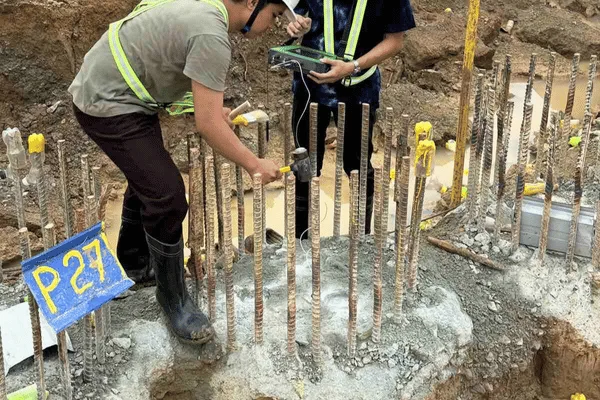
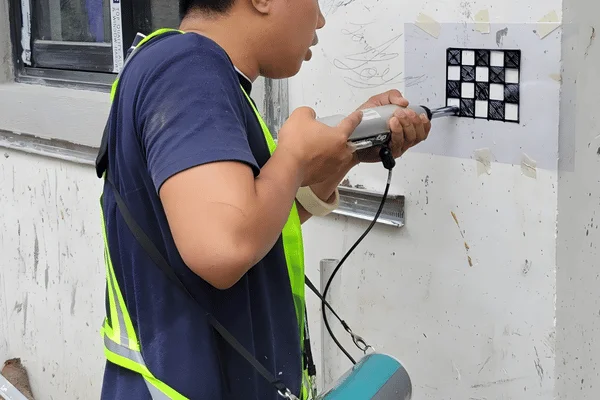
Steel Products Testing at Inch-On supports both field and laboratory requirements for complete material quality assurance.
Role of Steel Products Testing in Construction Safety
Steel Products Testing plays a critical role in maintaining structural safety throughout a building’s lifecycle. Reliable steel performance prevents collapse, deformation, and long-term degradation.
Steel Products Testing ensures that reinforcement materials meet minimum safety thresholds required for structural stability.
Engineering teams rely on Steel Products Testing results to validate design assumptions and confirm material performance.
Steel Products Testing also supports regulatory compliance, helping construction projects meet inspection requirements and approval standards.
Future Importance of Steel Products Testing
Steel Products Testing will continue to grow in importance as construction projects become more complex and performance demands increase.
Modern infrastructure requires higher precision in material performance, making Steel Products Testing essential for quality assurance.
Steel Products Testing will remain central to ensuring safety, durability, and compliance across all construction sectors.
Frequently Asked Questions (FAQ)
What is Steel Products Testing?
Steel Products Testing refers to mechanical evaluation of steel materials to measure strength, ductility, and compliance with engineering standards.
Why is Steel Products Testing important?
Steel Products Testing ensures structural safety, confirms material quality, and verifies compliance with design specifications.
What standards are used in Steel Products Testing?
Steel Products Testing commonly follows ASTM A370, which defines procedures for mechanical testing of steel products.
What materials are included in Steel Products Testing?
Steel Products Testing includes reinforcing steel bars, structural steel components, and welded steel products used in construction.
How does Steel Products Testing improve construction safety?
Steel Products Testing identifies material defects and confirms strength properties, reducing risk of structural failure.
Who performs Steel Products Testing?
Steel Products Testing is performed by accredited laboratories such as Inch-On Materials Testing Laboratory using calibrated testing equipment and standardized procedures.