


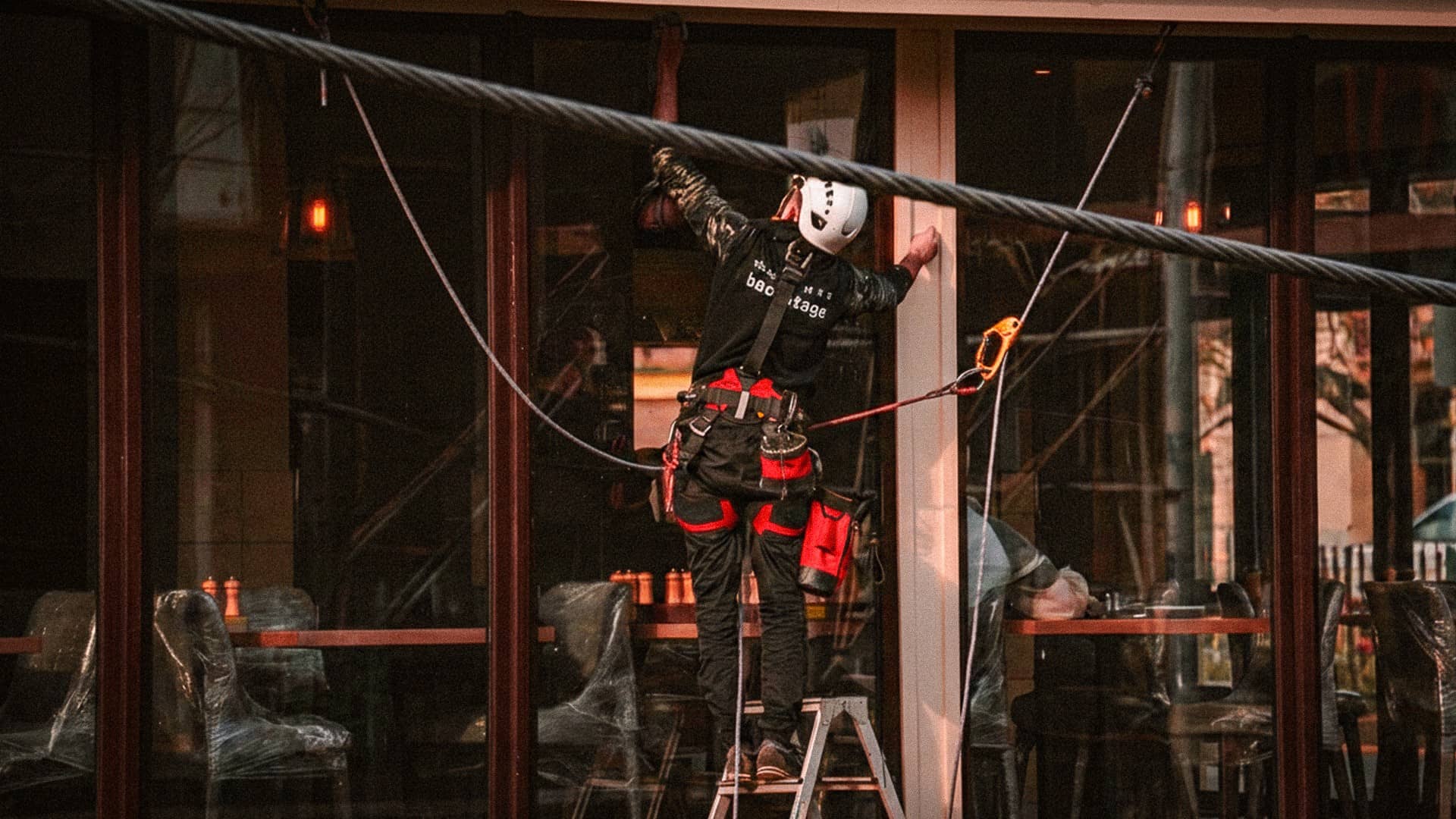
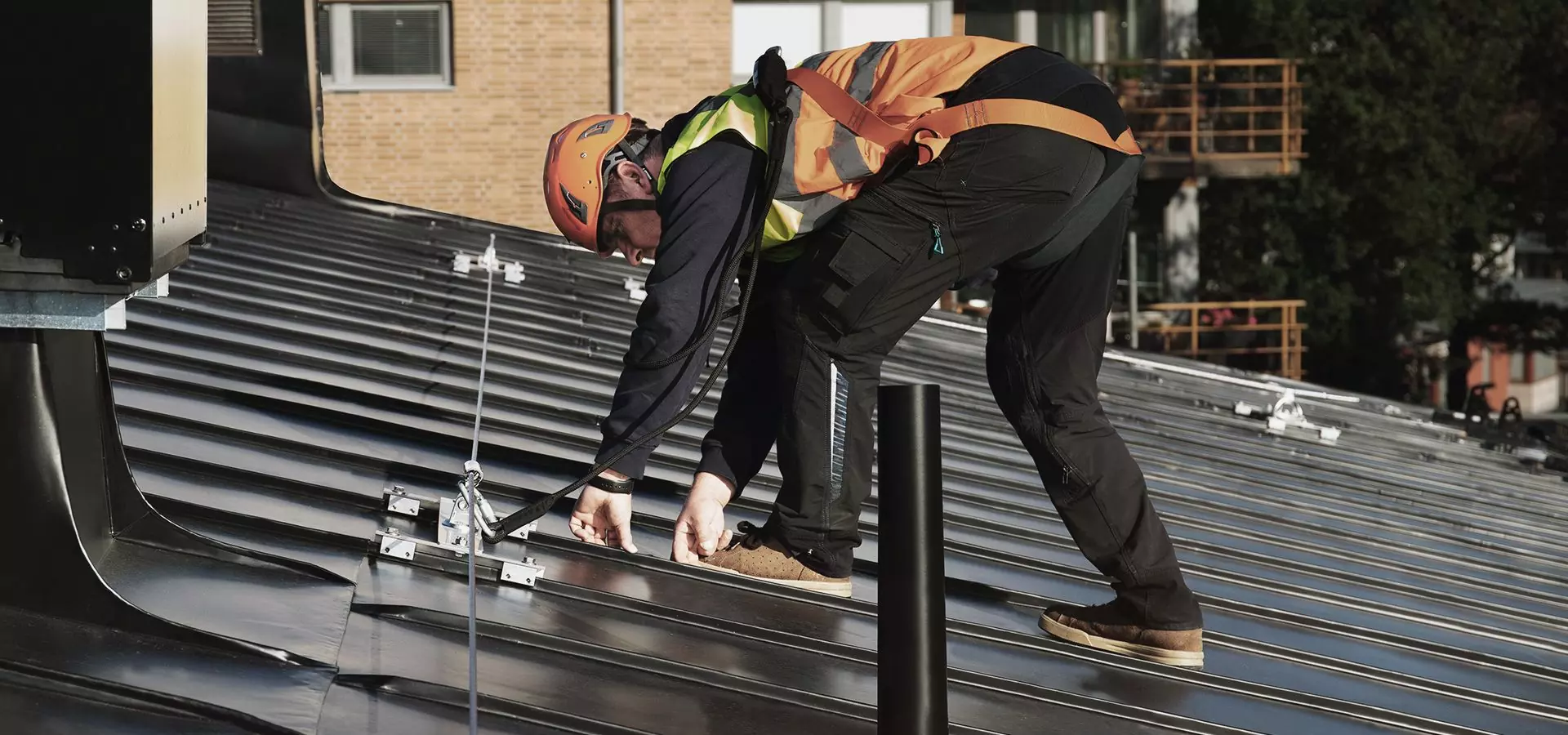
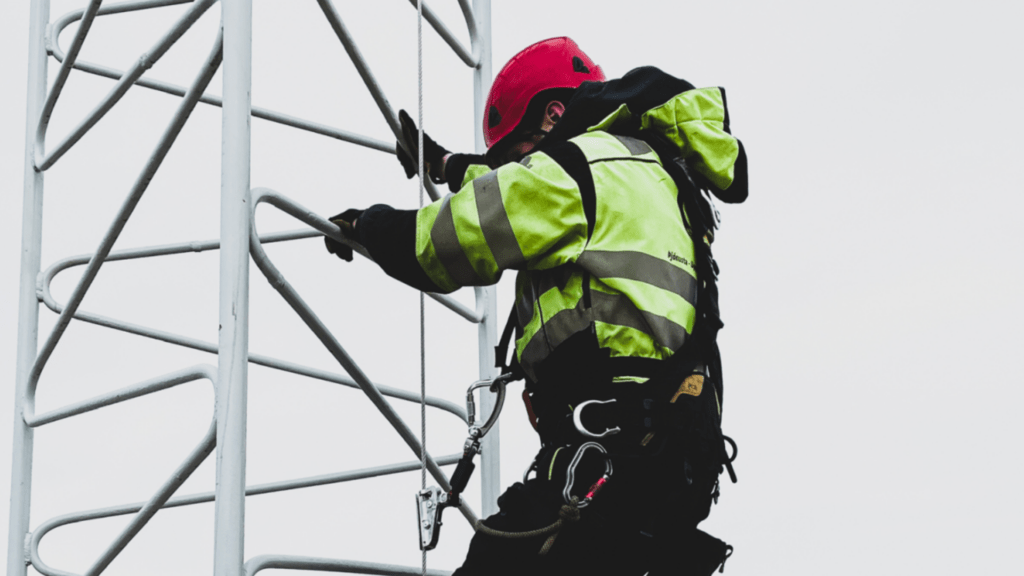


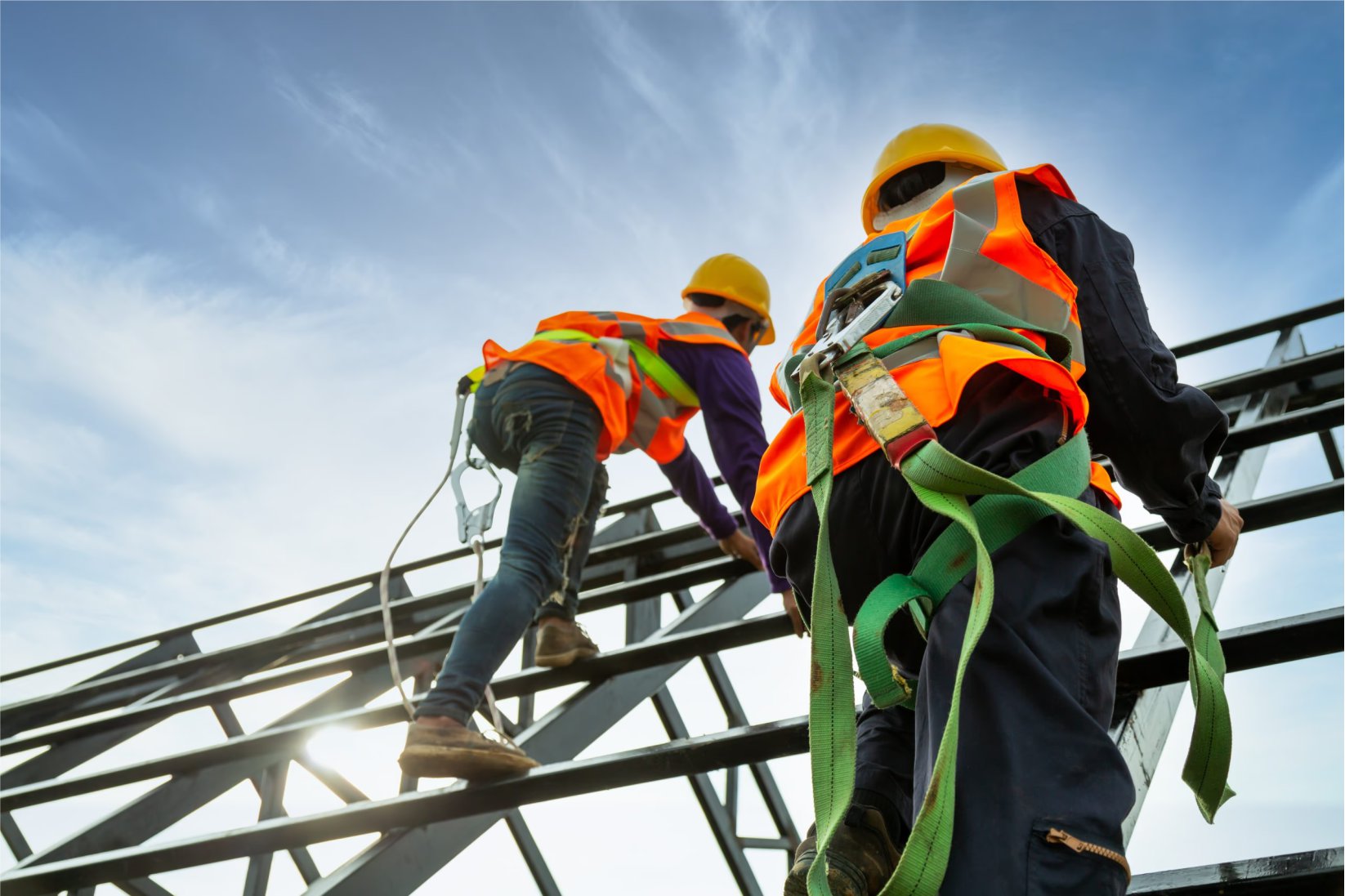
Working at height is one of the most hazardous activities across many industries, making reliable fall protection a top priority. Businesses that invest in anchor point equipment in Malaysia create safer workplaces while supporting compliance with safety regulations and industry best practices. Whether employees perform maintenance on rooftops, install telecommunications equipment, inspect industrial facilities, or construct high-rise buildings, anchor point systems serve as the foundation of an effective fall protection program. These systems provide secure attachment points for personal protective equipment, helping reduce the likelihood of serious injuries caused by falls. Selecting the right anchor point equipment requires careful consideration of the work environment, structural conditions, and intended application. With proper planning, installation, and maintenance, organizations can improve workplace safety while protecting both their workforce and their operations.
Understanding Anchor Point Equipment in Malaysia
Anchor point equipment in Malaysia refers to specialized safety devices designed to provide secure attachment locations for personal fall arrest systems, work positioning systems, and restraint systems. These anchor points are installed on structures capable of supporting significant loads generated during a fall event. Their primary purpose is to prevent workers from falling or minimize the impact should a fall occur while performing tasks at elevated locations. Anchor points are widely used across commercial buildings, industrial facilities, construction sites, manufacturing plants, and infrastructure projects where employees regularly work above ground level. Modern systems are engineered to withstand demanding conditions while maintaining consistent performance over many years. They are available in permanent and temporary configurations to suit different operational requirements. Choosing certified and professionally installed anchor point equipment helps organizations establish a reliable safety foundation for every work-at-height activity.
Why Anchor Point Equipment Matters for Workplace Safety
Falls from height remain one of the leading causes of workplace injuries around the world, making dependable fall protection equipment essential for employers. Properly installed anchor points provide workers with a secure connection that significantly reduces the risks associated with elevated tasks. They also support emergency rescue procedures by creating dependable attachment locations for retrieval systems when necessary. Employees who feel protected by reliable safety equipment often perform their responsibilities with greater confidence and focus. Businesses also benefit by minimizing downtime caused by accidents and reducing the financial impact of workplace incidents. Investing in high-quality anchor point systems demonstrates a company’s commitment to employee well-being and responsible operational practices. As workplace safety expectations continue to rise, dependable anchor point solutions remain one of the most valuable investments organizations can make.
Common Types of Anchor Point Equipment in Malaysia
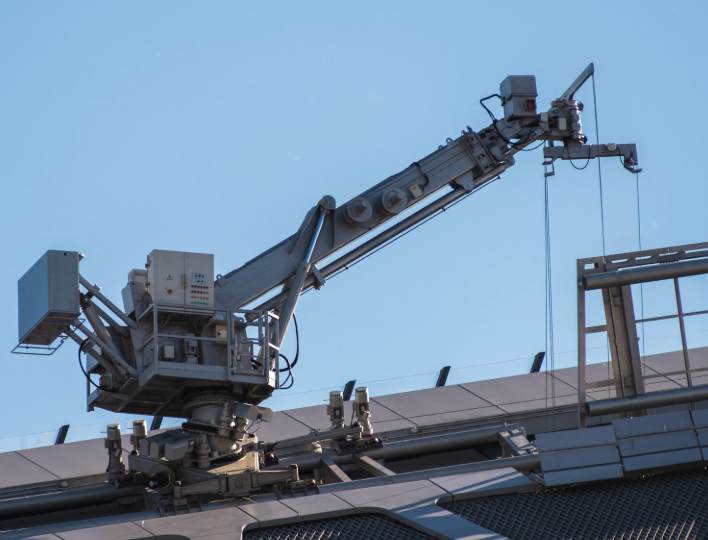
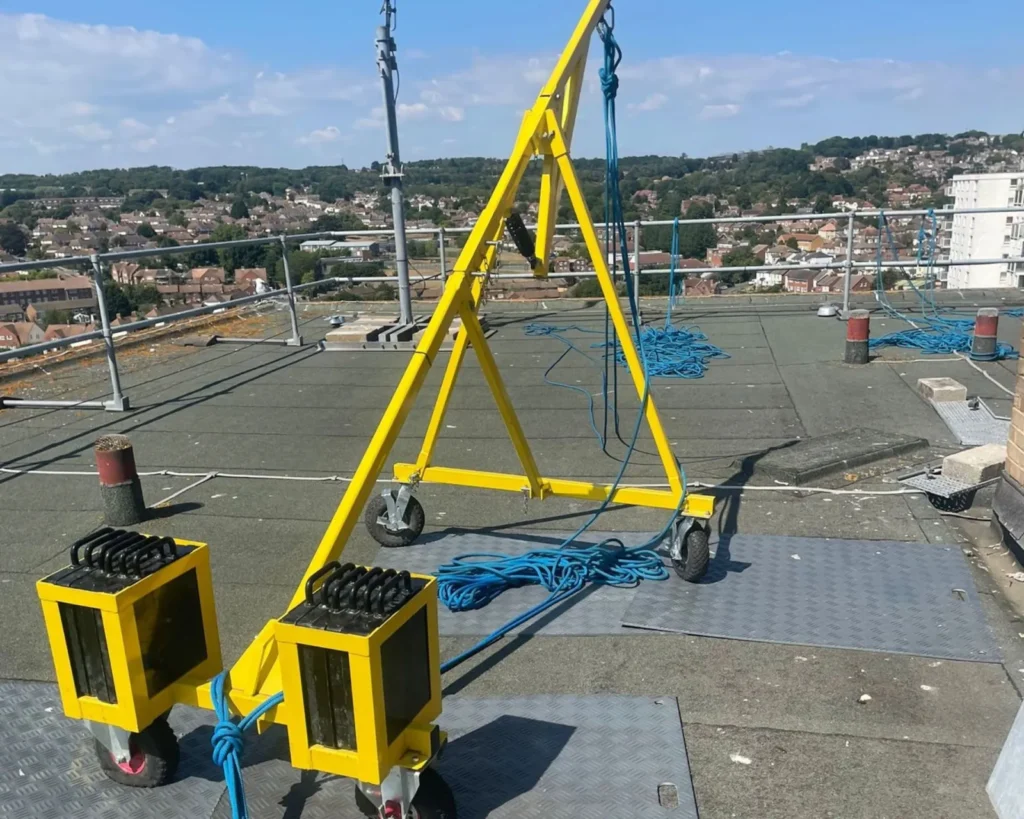
Several types of anchor point equipment in Malaysia are available to meet the unique demands of different industries and job sites. Permanent anchor points are installed as fixed safety solutions on buildings and industrial structures where routine maintenance occurs. Temporary anchor points are portable and ideal for short-term projects requiring flexibility without permanent installation. Roof anchor systems provide dependable attachment points for roofing contractors, maintenance personnel, and solar panel installers working on elevated surfaces. Wall-mounted anchor points are commonly used for façade maintenance, window cleaning, and suspended access operations. Beam anchors attach directly to structural steel and are frequently used during construction and industrial maintenance activities. Horizontal lifeline systems allow workers to move freely across large work areas while remaining continuously connected, while vertical lifeline systems provide protection for ladder climbing, towers, and confined space access.
Industries That Depend on Anchor Point Equipment in Malaysia
Many sectors rely heavily on anchor point equipment in Malaysia to protect employees working in elevated or hazardous environments. The construction industry uses anchor points during structural development, roofing projects, and building maintenance. Manufacturing facilities install permanent anchor systems for equipment servicing, overhead inspections, and machinery maintenance. Oil and gas operations require specialized anchor solutions capable of performing reliably under demanding industrial conditions. Telecommunications companies depend on anchor systems for technicians servicing communication towers and rooftop installations. Utility providers use fall protection equipment during electrical maintenance, transmission line work, and infrastructure inspections. Commercial property managers rely on permanent anchor points for routine façade cleaning, window maintenance, and roof servicing. Renewable energy facilities, including solar farms and wind energy installations, also benefit from properly engineered anchor systems that support safe maintenance activities.
Key Features to Look for in Quality Anchor Point Equipment
Choosing dependable anchor point equipment involves evaluating several critical characteristics that directly influence worker safety and long-term performance. High load capacity ensures the anchor system can safely withstand forces generated during fall arrest situations. Corrosion-resistant materials such as stainless steel provide excellent durability in Malaysia’s humid climate and challenging environmental conditions. Certified testing verifies that equipment meets recognized performance standards established by reputable organizations. Compatibility with harnesses, lanyards, lifelines, and connectors is essential for creating a complete and effective fall protection system. Durable construction minimizes maintenance requirements while extending service life under continuous use. Easy installation can reduce project delays while ensuring proper placement on qualified structures. Products backed by detailed technical documentation and manufacturer guidance provide greater confidence during installation and ongoing inspections.
Choosing the Right Anchor Point Equipment for Different Work Environments
Selecting the appropriate anchor point equipment in Malaysia requires careful evaluation of the specific work environment and operational needs. Rooftop maintenance often requires permanent roof anchors positioned to provide continuous protection across large surfaces. Steel-framed construction projects frequently utilize beam anchors because they offer flexibility during different stages of construction. Concrete structures may require specialized chemical or mechanical anchors designed for secure attachment to reinforced concrete. Bridges, industrial plants, and infrastructure facilities often benefit from engineered horizontal lifeline systems that allow workers to move safely across extended distances. Confined spaces demand anchor solutions specifically designed to support rescue and retrieval operations. Solar panel installations require anchor systems that protect technicians without interfering with equipment performance. Evaluating environmental exposure, worker movement patterns, and future maintenance requirements helps ensure the selected anchor system delivers dependable protection throughout its service life.
Factors to Consider Before Installing Anchor Point Equipment
Successful anchor point installation begins with a thorough assessment of structural conditions and workplace hazards. Engineers should verify that supporting structures possess sufficient strength to withstand anticipated loads during normal use and emergency situations. Site-specific risk assessments identify hazards that influence anchor placement and worker movement throughout the work area. The expected number of simultaneous users also affects system design and load calculations. Environmental conditions such as coastal exposure, heavy rainfall, temperature fluctuations, and industrial contaminants should influence material selection. Future maintenance accessibility should be considered to simplify routine inspections and servicing. Organizations should also verify compatibility between anchor points and all personal fall protection equipment used by employees. Proper planning before installation creates a safer and more efficient fall protection system while reducing long-term operational challenges.
Installation Best Practices for Anchor Point Equipment
Professional installation plays a vital role in ensuring anchor point equipment in Malaysia performs as intended throughout its service life. Qualified installers understand structural engineering principles and manufacturer specifications that influence anchor placement and performance. Each anchor should be positioned to minimize fall distances while providing workers with safe access to required work areas. Installation should follow approved engineering drawings and comply with applicable safety standards and building requirements. Structural verification helps confirm that mounting surfaces can safely support design loads under expected operating conditions. Detailed documentation should record installation locations, inspection schedules, load ratings, and maintenance recommendations for future reference. After installation, employees should receive comprehensive training on proper equipment use, inspection procedures, and emergency response practices before performing work at height.
Inspection and Maintenance of Anchor Point Equipment
Routine inspection and preventive maintenance help ensure anchor point systems continue providing reliable fall protection over many years of service. Visual inspections should be conducted before each use to identify corrosion, cracks, loose fasteners, deformation, or other visible signs of damage. Scheduled inspections by qualified professionals provide a more comprehensive evaluation of structural integrity and equipment performance. Maintenance records create valuable documentation that demonstrates ongoing commitment to workplace safety while supporting regulatory compliance. Damaged or compromised anchor components should be repaired or replaced immediately to prevent unnecessary risks. Cleaning and protecting equipment from excessive environmental exposure can extend service life and reduce maintenance costs. Organizations that establish consistent inspection programs significantly improve the long-term reliability of their fall protection systems while creating safer work environments for every employee.
Common Mistakes to Avoid When Using Anchor Point Equipment
Even the highest-quality anchor systems cannot provide effective protection if they are used incorrectly. One of the most common mistakes is installing anchor points on structures that have not been properly evaluated for strength and load capacity. Another frequent error involves using uncertified or incompatible fall protection equipment with the anchor system. Employees sometimes overlook routine inspections, allowing damaged components to remain in service longer than they should. Poor worker training can also result in improper equipment connections or unsafe work practices that increase fall hazards. Environmental damage caused by corrosion or chemical exposure may go unnoticed without regular maintenance programs. Overloading anchor systems beyond their intended capacity creates additional risks that could compromise worker safety. Avoiding these mistakes helps organizations maximize the effectiveness of their investment in fall protection equipment.
Benefits of Investing in High-Quality Anchor Point Equipment in Malaysia
Organizations that prioritize premium anchor point equipment in Malaysia gain numerous operational and safety advantages beyond basic regulatory compliance. Reliable anchor systems significantly reduce the likelihood of workplace accidents involving falls from height. Improved worker confidence often contributes to greater productivity because employees can focus on completing tasks without unnecessary concern about their safety. Durable equipment typically requires less frequent replacement, reducing long-term ownership costs. Businesses that demonstrate strong safety practices may strengthen relationships with clients, contractors, and project stakeholders who value responsible workplace management. Reliable fall protection also supports smoother project execution by minimizing disruptions caused by safety incidents. Long-lasting materials and professional installation provide dependable performance even in demanding industrial environments. Investing in quality anchor point equipment reflects a proactive commitment to protecting employees while supporting sustainable business operations.
Future Trends in Anchor Point Equipment in Malaysia
Technology continues to shape the future of fall protection, leading to smarter and more efficient anchor point systems. Manufacturers are developing advanced corrosion-resistant materials capable of performing longer in harsh environmental conditions. Digital inspection platforms simplify maintenance scheduling while providing accurate records of equipment condition and service history. Modular anchor systems offer greater flexibility, allowing organizations to adapt safety infrastructure as facilities expand or operational needs change. Smart monitoring technologies may eventually provide real-time alerts when anchor systems require maintenance or experience unusual loading conditions. Increased emphasis on workplace safety across construction, manufacturing, infrastructure, and energy sectors continues to drive demand for innovative fall protection solutions. As businesses invest in modern safety practices, advanced anchor point equipment will remain an essential component of comprehensive work-at-height protection programs.
Frequently Asked Questions (FAQ)
What is anchor point equipment used for?
Anchor point equipment provides secure attachment locations for personal fall protection systems, helping protect workers performing tasks at elevated locations such as rooftops, towers, bridges, and industrial facilities.
Which industries commonly use anchor point equipment in Malaysia?
Construction, manufacturing, telecommunications, oil and gas, utilities, renewable energy, commercial property management, and infrastructure maintenance all depend on anchor point systems to support safe work at height.
How often should anchor point equipment be inspected?
Workers should visually inspect equipment before every use, while qualified professionals should perform scheduled inspections according to manufacturer recommendations and workplace safety requirements.
Can temporary anchor points be reused?
Many temporary anchor points are designed for multiple uses when they remain undamaged and continue to meet inspection requirements. Users should always follow manufacturer guidance before reusing any equipment.
Why is professional installation important?
Professional installers ensure anchor systems are attached to suitable structures, positioned correctly, and installed according to engineering requirements and manufacturer specifications, helping maximize worker safety.
How long does anchor point equipment typically last?
Service life varies depending on environmental conditions, material quality, usage frequency, maintenance practices, and manufacturer recommendations. Regular inspections help determine when replacement becomes necessary.
What should employers consider when selecting anchor point equipment?
Important factors include structural compatibility, worker movement, environmental exposure, expected load capacity, equipment certification, maintenance requirements, and compatibility with existing fall protection systems.
Takeaway
Selecting reliable anchor point equipment in Malaysia is one of the most effective ways organizations can strengthen workplace safety for employees working at height. The right system provides dependable protection, supports compliance with recognized safety standards, and creates a safer environment across construction sites, industrial facilities, commercial buildings, and infrastructure projects. Careful planning, professional installation, regular inspections, and ongoing worker training all contribute to the long-term effectiveness of any fall protection program. Businesses that invest in certified, high-quality anchor point systems not only reduce the risk of workplace accidents but also improve operational efficiency and reinforce a culture that values employee safety every day.