






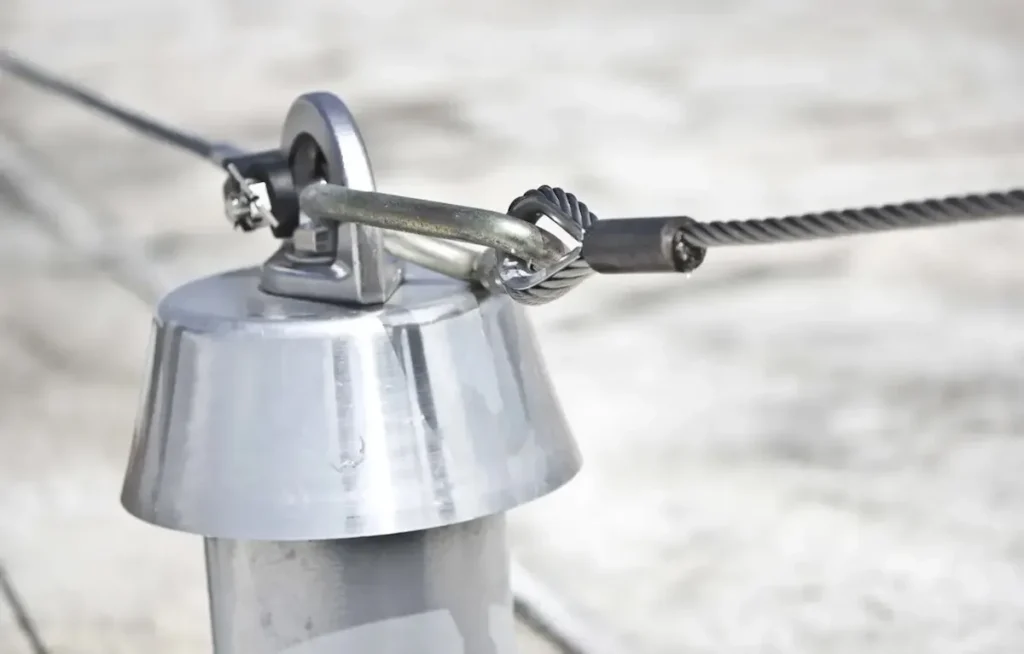
Working at heights is part of daily operations in many industries across the country. From high-rise construction and industrial maintenance to telecommunications and energy projects, employees often face significant fall hazards that require dependable safety systems. One of the most critical components of any fall protection setup is the anchor point. Choosing the right anchor point equipment in Philippines helps create a secure connection for workers using harnesses, lanyards, and lifeline systems while reducing the likelihood of serious accidents.
As workplace safety standards continue to improve, businesses are recognizing the value of investing in durable and certified anchor point equipment. Selecting the right system is not only about meeting regulatory expectations but also about protecting lives, improving operational efficiency, and supporting long-term project success. Understanding how anchor points work, where they are used, and what factors should influence purchasing decisions allows organizations to make informed investments that benefit both employees and employers.
Why Anchor Point Equipment Matters in the Philippines
The Philippines has experienced continuous growth in infrastructure, commercial developments, industrial facilities, and residential construction. With this expansion comes a greater need for reliable fall protection systems that safeguard workers operating at elevated locations. Anchor points serve as the foundation of these systems because they provide the secure attachment needed during work at height.
Whether workers are installing roofing materials, maintaining communication towers, cleaning building facades, or servicing industrial equipment, dependable anchor points significantly reduce fall risks. Without properly installed anchor systems, even high-quality harnesses and lanyards cannot perform as intended during a fall event.
Investing in quality anchor point equipment in Philippines also demonstrates an organization’s commitment to workplace safety. Employees gain confidence knowing their employer prioritizes their well-being, while companies benefit from fewer workplace disruptions, improved productivity, and stronger compliance with recognized safety standards. As more industries adopt comprehensive fall protection programs, anchor point equipment continues to play an essential role in preventing accidents and supporting safer job sites.
What Is Anchor Point Equipment?
Anchor point equipment refers to specially engineered devices that provide secure attachment locations for personal fall protection systems. These devices are designed to withstand significant loads during a fall and serve as the connection point between a worker and the fall arrest system. They are commonly used alongside safety harnesses, self-retracting lifelines, energy-absorbing lanyards, connectors, and horizontal or vertical lifeline systems.
Anchor points may be permanently installed on buildings or temporarily attached to structures during specific projects. Their design depends on the work environment, structural material, expected load, and intended application. Selecting the correct anchor point ensures the entire fall protection system functions effectively.
High-quality anchor point equipment undergoes rigorous engineering and testing to ensure dependable performance under demanding conditions. Proper installation and regular inspection are equally important because even the strongest anchor cannot provide adequate protection if it is improperly installed or poorly maintained. Understanding these fundamentals allows businesses to build safer working environments while minimizing unnecessary risks.
Types of Anchor Point Equipment in Philippines
Several types of anchor point equipment are available to accommodate different structures, industries, and working conditions. Permanent roof anchor points are commonly installed on commercial buildings, factories, and warehouses where routine maintenance is required. These anchors remain in place for long-term use and provide consistent access for maintenance personnel.
Temporary anchor points offer flexibility for short-term projects such as construction, roofing, and inspections. They can be installed quickly, removed after use, and relocated to different job sites as needed. Their portability makes them highly practical for contractors managing multiple projects.
Concrete anchor points are specifically designed for reinforced concrete structures. These anchors are frequently used in bridges, parking structures, and large commercial developments where concrete serves as the primary structural material. Steel structure anchor points, on the other hand, attach securely to steel beams and columns found in industrial plants, factories, and commercial buildings.
Beam anchors provide adjustable attachment options for exposed steel beams without requiring permanent modifications. Mobile and portable anchor systems offer additional versatility for changing work environments where permanent installation is impractical. Choosing the appropriate anchor type depends on the structure, job requirements, frequency of use, and overall fall protection strategy.
Industries That Commonly Use Anchor Point Equipment in Philippines
Many industries rely on dependable anchor point systems to protect employees performing elevated work. Construction companies use anchor points throughout building projects, allowing workers to safely install roofing systems, structural components, and exterior finishes. Building maintenance teams depend on permanent roof anchors for facade cleaning, window washing, HVAC servicing, and routine inspections.
Telecommunication providers require secure anchor systems while technicians install and maintain communication towers, antennas, and rooftop equipment. Utility companies working on power generation, transmission, and distribution infrastructure also rely heavily on fall protection systems during maintenance and repairs.
Manufacturing facilities frequently install anchor point systems above production areas where equipment servicing occurs at elevated locations. Warehousing and logistics companies utilize anchor points when maintaining storage systems and elevated platforms. Oil and gas operations depend on reliable anchor systems to protect workers operating in challenging industrial environments. As workplace safety expectations continue to increase, more industries recognize the importance of investing in dependable anchor point equipment in Philippines.
Essential Features to Look for When Choosing Anchor Point Equipment
Not all anchor point systems offer the same level of performance, making careful product selection extremely important. High-strength construction materials such as stainless steel or galvanized steel provide excellent durability while resisting corrosion caused by humidity, rain, and coastal environments common throughout the Philippines.
Certified load capacity is another critical feature because anchor points must safely withstand the forces generated during a fall. Buyers should verify that products comply with recognized international safety standards and have undergone appropriate testing procedures.
Compatibility with other fall protection equipment is equally essential. Anchor points should integrate seamlessly with harnesses, self-retracting lifelines, connectors, and lanyards to create a complete safety system. Easy installation reduces labor costs while minimizing installation errors that could compromise worker safety. Long-term durability, low maintenance requirements, and reliable manufacturer support further contribute to better investment value over the equipment’s lifespan.
Understanding Safety Standards for Anchor Point Equipment in Philippines
Safety standards exist to ensure fall protection equipment performs reliably under real working conditions. Organizations purchasing anchor point equipment in Philippines should prioritize products that comply with internationally recognized standards and manufacturer recommendations. These standards establish minimum performance requirements for design, testing, and load capacity.
Employers also have responsibilities beyond equipment selection. They should ensure workers receive proper training on using fall protection systems correctly, understanding inspection procedures, and recognizing potential hazards before beginning elevated work. Proper documentation helps demonstrate ongoing maintenance and inspection activities.
Routine inspections identify signs of wear, corrosion, deformation, or damage that could reduce equipment performance. Any questionable components should be removed from service immediately and replaced when necessary. Following safety standards consistently helps organizations build stronger safety cultures while reducing operational risks and protecting employees throughout every project.
Factors to Consider Before Purchasing Anchor Point Equipment
Choosing the right anchor point equipment involves evaluating several important factors rather than focusing solely on price. The first consideration is the type of structure where the equipment will be installed. Roofs, concrete surfaces, steel frameworks, and specialized industrial structures often require different anchor solutions.
The number of workers using the system simultaneously should also influence equipment selection. Projects involving multiple users may require engineered horizontal lifeline systems instead of individual anchor points. Environmental conditions such as heavy rainfall, humidity, salt exposure, and extreme temperatures should also be considered when selecting corrosion-resistant materials.
Organizations should evaluate how frequently the equipment will be used and whether future facility expansions might require additional anchor systems. Long-term value often outweighs lower initial costs because durable equipment typically requires fewer replacements and less maintenance. Working with experienced suppliers can help businesses identify solutions that match both current and future operational needs.
Common Installation Mistakes to Avoid
Even the highest-quality anchor point equipment cannot provide reliable protection if installed incorrectly. One of the most common mistakes involves attaching anchors to structural elements that cannot safely support required loads. Proper structural assessment should always precede installation.
Ignoring manufacturer installation guidelines can significantly reduce equipment effectiveness. Each anchor system has specific installation requirements regarding fasteners, spacing, structural compatibility, and load direction. Failing to follow these recommendations increases potential safety risks.
Another common issue involves combining incompatible components from different fall protection systems without verifying compatibility. Skipping routine inspections after installation can allow hidden damage or loose fasteners to go unnoticed. Inadequate worker training may also lead to misuse of equipment despite proper installation. Avoiding these mistakes helps maximize both worker protection and equipment longevity while supporting safer daily operations.
Inspection and Maintenance Best Practices
Regular inspection and maintenance are essential for preserving the reliability of anchor point systems throughout their service life. Workers should perform visual inspections before each use, checking for corrosion, cracks, loose hardware, deformation, or signs of excessive wear. Any damaged equipment should be removed from service immediately.
Scheduled inspections conducted by qualified personnel provide a more detailed evaluation of structural integrity and continued compliance with manufacturer recommendations. These inspections often include verifying attachment points, testing system stability, and reviewing maintenance records.
Cleaning anchor points removes dirt, chemicals, and corrosive contaminants that may gradually weaken metal components. Protective coatings should remain intact, especially in coastal regions where salt exposure accelerates corrosion. Maintaining detailed inspection records helps organizations track equipment condition over time while supporting internal safety programs and regulatory compliance. Consistent maintenance extends equipment lifespan while helping ensure dependable performance whenever workers operate at height.
Benefits of Investing in High-Quality Anchor Point Equipment in Philippines
High-quality anchor point equipment in Philippines delivers benefits that extend far beyond regulatory compliance. The most important advantage is improved worker safety. Reliable anchor systems reduce fall hazards, giving employees greater confidence while performing demanding tasks at elevated locations.
Organizations also experience fewer work interruptions because properly designed fall protection systems support efficient operations without compromising safety. Durable equipment generally requires less maintenance and fewer replacements, lowering long-term ownership costs despite higher initial investments.
Strong safety programs can improve employee morale and demonstrate an organization’s commitment to responsible workplace practices. Clients and project stakeholders also appreciate contractors that prioritize safety through certified equipment and professional installation. Over time, investing in dependable anchor point systems contributes to stronger operational performance, enhanced reputation, and reduced accident-related expenses.
How to Choose a Reliable Supplier of Anchor Point Equipment in Philippines
Selecting a trusted supplier is just as important as choosing the equipment itself. Experienced suppliers understand various industry applications and can recommend solutions that match specific worksite requirements. Their technical knowledge helps buyers avoid purchasing equipment that may not suit their structures or operational needs.
Look for suppliers offering certified products from recognized manufacturers with proven quality records. Technical consultation, installation guidance, and after-sales support provide additional value beyond the initial purchase. Reliable suppliers also assist with maintenance planning, inspection services, and replacement component availability.
Training resources are another valuable service because proper equipment use directly affects workplace safety. Companies that provide ongoing customer support help organizations maximize equipment performance throughout its operational life. Establishing long-term relationships with knowledgeable suppliers contributes to more effective fall protection programs and safer workplaces across multiple projects.
Frequently Asked Questions
What is anchor point equipment used for?
Anchor point equipment provides secure attachment locations for personal fall protection systems, helping protect workers performing tasks at elevated locations.
Which industries commonly use anchor point equipment in the Philippines?
Construction, manufacturing, telecommunications, building maintenance, warehousing, utilities, infrastructure, and energy industries frequently use anchor point systems.
How often should anchor point equipment be inspected?
Visual inspections should be completed before every use, while detailed inspections should be performed periodically by qualified personnel according to manufacturer recommendations and workplace safety programs.
Can temporary anchor points be reused?
Yes, many temporary anchor points are designed for repeated use, provided they remain undamaged, are properly maintained, and continue to meet inspection requirements.
Why is certification important when purchasing anchor point equipment?
Certified products have been tested to meet recognized safety standards, providing greater confidence that they can perform reliably during fall protection applications.
Can existing buildings be fitted with anchor point systems?
Yes, many existing buildings can be retrofitted with permanent or temporary anchor point systems after appropriate structural evaluation and professional installation.
What equipment works together with anchor points?
Anchor points are commonly used with safety harnesses, lanyards, self-retracting lifelines, connectors, horizontal lifelines, and vertical lifeline systems.
How do I choose the right anchor point equipment?
Consider the work environment, structural material, number of users, environmental conditions, equipment compatibility, certification, and long-term maintenance requirements before making a purchase.
Takeaway
Choosing the right anchor point equipment in Philippines is a vital step toward creating safer workplaces for employees who perform tasks at height. Reliable anchor systems serve as the foundation of effective fall protection by providing secure attachment points for harnesses, lifelines, and other safety equipment. By selecting certified products, following proper installation practices, conducting regular inspections, and partnering with experienced suppliers, organizations can significantly reduce workplace risks while improving productivity and long-term operational performance. Investing in quality anchor point equipment is ultimately an investment in worker safety, business continuity, and a stronger culture of responsibility across every project.