




Modern high-rise buildings require more than attractive architecture and strong structural systems to remain functional and presentable. Their exterior surfaces need regular cleaning, inspection, repair, and maintenance, especially when large areas of glass, cladding, panels, and other facade materials are exposed to the weather. A Building maintenance unit Philippines system provides a dedicated solution for reaching these difficult exterior areas safely and efficiently. BMUs are engineered facade-access systems designed to provide permanent access to building exteriors for activities such as cleaning and maintenance. As buildings become taller and architectural designs become more complex, conventional ground-based maintenance methods may not provide adequate reach or flexibility. A properly planned BMU can become an important part of the property’s long-term maintenance strategy. Understanding how these systems work can help building owners and project teams make better decisions when planning facade access.
Understanding a Building Maintenance Unit
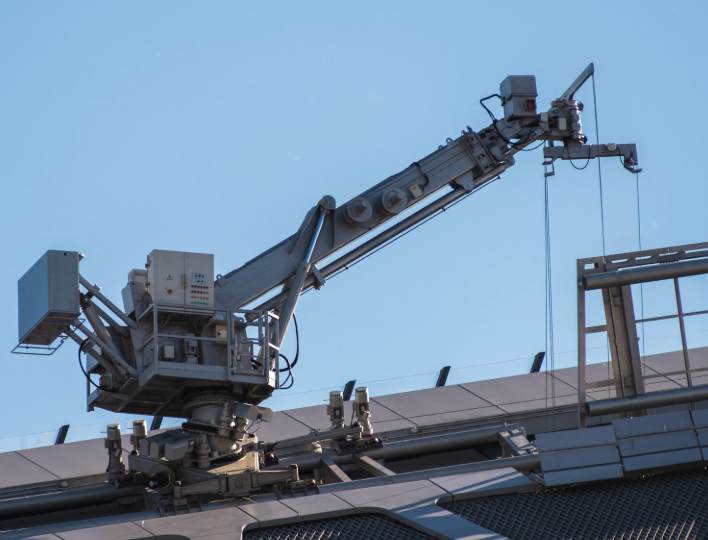
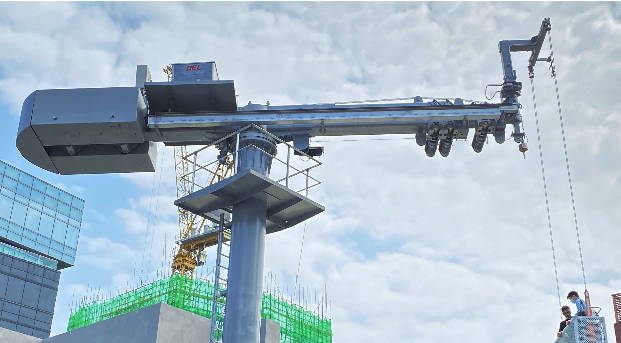
A Building Maintenance Unit, commonly called a BMU, is a mechanical system designed to provide access to the exterior facade of a building. It is commonly installed on or near the roof and can position a suspended cradle or platform along different sections of the facade. The system allows trained personnel to reach exterior surfaces for cleaning, inspection, repair, and other approved maintenance activities. Depending on the building design, BMUs can use roof cars, rails, monorails, jibs, hoists, suspension systems, and maintenance cradles. Philippine providers describe BMUs as systems that can be designed around building height, facade configuration, and specific maintenance requirements. This makes a BMU different from ordinary cleaning equipment because it is normally considered as part of the building’s permanent facade-access infrastructure. For high-rise properties, selecting an appropriate Building maintenance unit Philippines solution can make recurring exterior maintenance more organized and practical.
Why High-Rise Buildings Need Dedicated Facade Access
Maintaining the exterior of a tall building presents challenges that are very different from maintaining a low-rise structure. Windows, curtain walls, facade panels, architectural features, lighting fixtures, signs, and other components may be located many floors above ground level. Reaching these areas with ladders or ordinary ground-based equipment may be impractical or impossible. Temporary access equipment can also require additional setup and may have limitations depending on the building’s surroundings. A permanent facade-access system can provide a planned method for reaching designated areas of the building. Industry guidance on external maintenance access emphasizes the importance of providing suitable access for inspection, cleaning, repair, and replacement of exterior building elements. For this reason, facade access should be considered during building planning rather than treated as an issue only after construction is complete.
How a Building Maintenance Unit Philippines System Works
The exact operation of a BMU depends on its engineering design and the requirements of the building. In many configurations, a roof-mounted machine moves along a track or designated travel path to position the equipment over a specific facade area. A hoisting mechanism then raises or lowers a suspended cradle containing trained maintenance personnel and approved equipment. Some systems are designed for relatively straightforward facades, while others use specialized jibs, articulated components, or extended outreach to accommodate complicated architecture. BMU manufacturers and facade-access specialists offer systems for straight, complex, and highly customized building facades. The machine may also be configured to reach areas such as courtyards, atriums, recessed facades, or other difficult locations depending on the project. A well-designed Building maintenance unit Philippines system therefore needs to be matched carefully with the building’s geometry and intended maintenance activities.
Major Components of a BMU
A BMU consists of multiple components that work together to provide controlled facade access. One important component is the roof car or supporting machine, which positions the system in relation to the building facade. Rails, tracks, or monorail systems may guide the equipment horizontally or along a predetermined route. Hoists and wire ropes provide vertical movement and support the suspended maintenance cradle. The cradle serves as the working platform from which trained personnel can perform approved facade-related tasks. Some installations may also include auxiliary hoists, davit systems, fall-protection provisions, controls, limit devices, and other safety-related equipment. Philippine facade-access providers describe BMU installations that can include davit systems, monorails, permanent machines, and other specialized components depending on project requirements.
Common Applications of a Building Maintenance Unit
One of the most common uses of a BMU is exterior window cleaning on high-rise buildings. The equipment can also support facade inspections where trained personnel need controlled access to exterior surfaces. Depending on the system’s design and capacity, it may assist with certain window replacement, facade repair, installation, and maintenance activities. Some Philippine providers specifically identify broken-window replacement and various installation activities among possible BMU applications. BMUs can be valuable for office towers, condominiums, hotels, hospitals, commercial centers, and other large properties with significant facade-maintenance requirements. Their usefulness becomes especially apparent when a building has extensive glass surfaces or architectural features that are difficult to reach from the ground. Before a system is selected, however, building owners should identify the specific tasks the equipment is expected to support.
Benefits of a Building Maintenance Unit Philippines System
A major advantage of a BMU is its ability to provide dedicated access to areas of a building that would otherwise be difficult to reach. This can help property teams plan recurring exterior cleaning and maintenance work more systematically. A permanent system may also reduce dependence on certain temporary access arrangements when the building has been specifically designed for BMU operation. Customized equipment can address different facade shapes, roof layouts, building heights, and outreach requirements. Some manufacturers offer standard equipment for simpler buildings and more customized solutions for properties with moderate or high architectural complexity. A BMU can also become part of a property’s long-term facade-care strategy when supported by appropriate inspections and preventive maintenance. For building owners, the value of a Building maintenance unit Philippines system should therefore be considered over its entire operating life rather than only by its initial installation cost.
Choosing the Right BMU for a Philippine Building
Selecting a BMU should begin with a detailed assessment of the building rather than simply choosing equipment from a standard catalog. Building height is one important factor because the system must provide sufficient vertical reach for the intended work areas. Facade geometry is equally important because projections, setbacks, curves, terraces, ledges, and recessed sections can affect equipment positioning. Roof layout, available installation space, structural capacity, electrical requirements, and access routes should also be reviewed. The expected number of operators, working loads, maintenance activities, and frequency of use can influence the required configuration. Industry design guidance emphasizes the importance of considering roof, facade, and ground-level provisions when planning external maintenance access. Working with qualified engineers and experienced facade-access professionals can help ensure that the selected system is appropriate for the property’s actual requirements.
Safety Considerations for BMU Operations
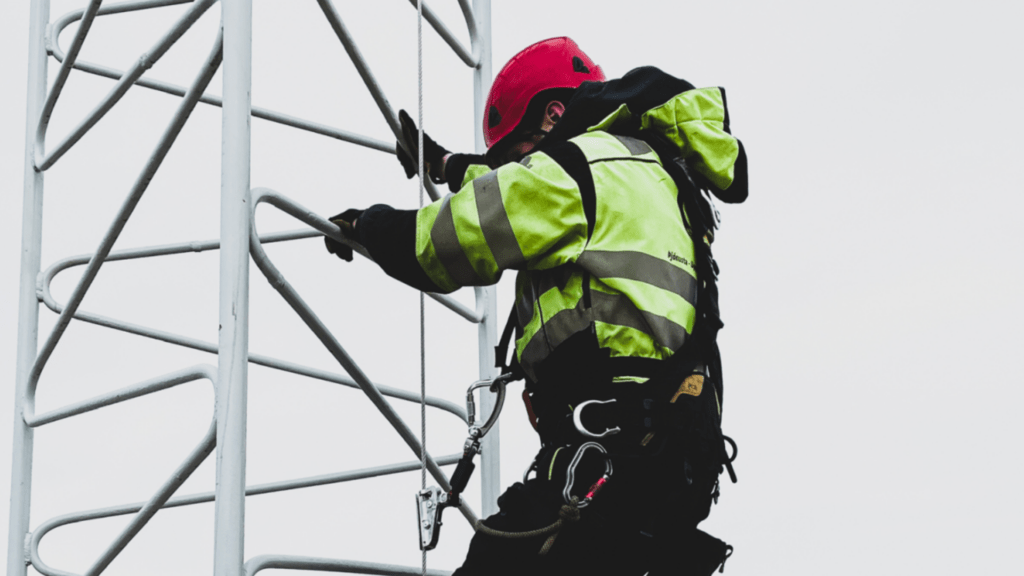
Safety must remain a central consideration throughout the design, installation, operation, and maintenance of a BMU. Only appropriately trained and authorized personnel should operate the equipment according to the manufacturer’s instructions and the building’s established procedures. Pre-use inspections should verify that relevant equipment and safety features are in suitable operating condition before work begins. Operators should also assess site conditions, weather, surrounding structures, possible obstructions, and the presence of people or property below the work area. BMU management practices commonly include operator training, risk assessment, checklists, work procedures, logbooks, and controls designed to restrict unauthorized operation. Tools and materials should also be managed carefully to reduce the possibility of falling objects. Building owners should establish appropriate emergency procedures, maintenance schedules, training requirements, and operational controls before allowing routine BMU use.
BMU Maintenance and Inspection
The BMU itself requires regular attention because it is a piece of mechanical equipment exposed to demanding operating and environmental conditions. Preventive maintenance can include inspection of hoists, ropes, brakes, electrical components, controls, tracks, structural elements, and other system components. Equipment should be checked for signs of wear, corrosion, damage, unusual movement, or other conditions that could affect performance. Maintenance activities should follow the equipment manufacturer’s requirements and the property’s established maintenance program. Philippine facade-maintenance providers offer BMU inspection, repair, preventive maintenance, and component replacement services as part of ongoing equipment support. Keeping accurate inspection and service records can also help facility managers monitor equipment condition and identify recurring issues. A well-maintained Building maintenance unit Philippines system can provide more dependable support for the building’s long-term facade-maintenance needs.
Designing a BMU Around Philippine Building Conditions
Environmental conditions should be considered when designing and maintaining facade-access equipment in the Philippines. High humidity, rainfall, heat, strong winds, and exposure to outdoor conditions can affect mechanical and electrical components over time. Material selection and corrosion protection may therefore be important considerations, particularly for equipment exposed to moisture and coastal environments. Drainage and water-management details should also be considered around roof-mounted equipment and supporting structures. Operating procedures should account for weather conditions and should not permit work when environmental conditions make operation unsafe. The building’s surrounding environment should also be assessed because nearby structures, roads, pedestrian areas, landscaping, and neighboring properties may affect maintenance operations. Proper engineering and a disciplined maintenance program can help the BMU remain reliable throughout its service life.
BMU Installation and Building Design
The best time to consider a BMU is during the early design stages of a building. Architects, structural engineers, facade consultants, contractors, and building owners can coordinate the required equipment with the roof structure and facade design. This approach allows necessary structural supports, tracks, electrical supplies, access routes, and maintenance areas to be incorporated into the project. Retrofitting a BMU after construction may require additional structural work or modifications that could have been avoided through early planning. Philippine providers describe BMU services that can extend from architectural planning and design through commissioning, operation, inspection, and maintenance. Proper commissioning should also include appropriate testing, documentation, operator training, and handover procedures. Treating facade access as an integral building requirement can help create a more practical maintenance strategy from the beginning.
BMUs Compared With Other Facade Access Methods
A BMU is one of several methods available for accessing building exteriors. Rope access can be useful for certain specialized tasks when performed by appropriately qualified professionals and under suitable conditions. Mobile elevating work platforms may be practical for selected low- or medium-height areas when sufficient ground access is available. Temporary suspended platforms may also be used for certain facade maintenance activities. However, each method has different capabilities, limitations, setup requirements, and operating conditions. A permanent BMU can be particularly useful when a building requires recurring access across substantial portions of a high-rise facade. The appropriate approach should be based on the building’s height, geometry, maintenance schedule, surrounding site conditions, and specific work requirements rather than selecting one method for every property.
Working With a Building Maintenance Unit Supplier in the Philippines
Choosing a BMU supplier should involve more than comparing equipment prices. Building owners should assess the supplier’s engineering capabilities, installation experience, product knowledge, commissioning process, training services, maintenance support, and availability of replacement components. A reliable supplier should be able to understand the building’s facade and identify the access requirements before recommending equipment. Project teams should ask about system capacity, outreach, travel paths, structural requirements, safety features, controls, documentation, and long-term servicing. Some Philippine companies provide services covering BMU design, installation, operation, inspection, and maintenance, demonstrating the importance of lifecycle support. A site assessment can also help suppliers understand roof constraints, facade geometry, and operational requirements before a final design is developed. Choosing a supplier with appropriate technical support can help protect the investment throughout the equipment’s operating life.
Cost Factors for a Building Maintenance Unit Philippines Project
The cost of a BMU project can vary significantly because no two high-rise buildings have exactly the same facade-access requirements. Building height, facade complexity, equipment capacity, outreach, roof configuration, travel distance, cradle dimensions, and control systems can all affect the project specification. Structural modifications may also influence the total project cost if existing building elements require reinforcement or adaptation. Installation, commissioning, operator training, inspections, preventive maintenance, replacement parts, and service support should also be considered when evaluating the overall investment. A lower initial equipment price may not represent the best value if the system cannot efficiently reach the required facade areas or lacks adequate long-term support. Building owners should therefore evaluate both upfront costs and expected lifecycle expenses. Obtaining a detailed technical assessment and project-specific quotation can provide a more realistic basis for budgeting a Building maintenance unit Philippines project.
Planning a Long-Term BMU Program
A BMU should be viewed as part of a broader facade-maintenance program rather than as a standalone machine. Building managers should identify which exterior areas require regular cleaning, inspection, repair, or replacement. They should also establish maintenance schedules for the BMU itself and ensure that equipment records remain current. Operator training should be maintained so that authorized personnel understand proper operating procedures and site-specific requirements. Regular inspections can help identify equipment problems before they develop into more serious operational concerns. Building owners should also review facade-maintenance procedures periodically as building conditions, contractors, equipment, and operational requirements change. With proper planning, a Building maintenance unit Philippines system can support a more structured approach to maintaining the appearance, functionality, and exterior condition of a high-rise property.
Frequently Asked Questions About Building Maintenance Unit Philippines
What is a Building Maintenance Unit?
A Building Maintenance Unit is a mechanical facade-access system designed to help trained personnel reach the exterior surfaces of a building. It commonly incorporates a roof-mounted machine, suspension equipment, and a maintenance cradle or platform. The exact configuration depends on the building’s height, facade geometry, and maintenance requirements. BMUs can provide access for activities such as window cleaning, inspection, repair, and selected installation work. They are particularly useful for high-rise buildings where ordinary ground-based equipment may have limited reach. The system should always be selected and operated according to its engineered design and approved applications.
Where are BMUs commonly used?
BMUs are commonly associated with high-rise commercial buildings and other structures with extensive exterior maintenance requirements. They may be used for office towers, hotels, hospitals, condominiums, commercial properties, and buildings with complex architectural facades. Philippine providers specifically market BMU and facade-access solutions for high-rise buildings and complex developments. The system can be especially useful where large areas of glass or other facade materials require recurring access. Certain specialized systems can also support access to atriums, courtyards, and unusual facade configurations. The appropriate equipment depends on the actual design and maintenance needs of the property.
What maintenance activities can a BMU support?
A BMU can support exterior window cleaning, facade inspection, selected repair work, and certain installation or replacement activities. Some Philippine facade-maintenance providers specifically list window cleaning, broken-window replacement, installation, facade inspection, crack repair, sealant work, and painting among related services. However, not every BMU is designed or rated for every type of work. The equipment’s load capacity, cradle design, outreach, hoisting arrangement, and other specifications must be considered before assigning a particular task. Building owners should consult the system documentation and qualified technical personnel before using the equipment for specialized work. Proper planning helps ensure that the BMU is used within its intended capabilities.
Is a BMU suitable for every high-rise building?
Not necessarily, because every building has different architectural, structural, and maintenance requirements. A building with a simple vertical facade may require a different system from one with curved walls, deep setbacks, projecting balconies, or complex roof structures. Roof space, structural capacity, facade geometry, working reach, and access routes all need to be assessed. Specialized BMU systems are available for buildings with greater architectural complexity. A professional assessment can determine whether a BMU is appropriate and what configuration may be required. Other access methods may also be considered when a BMU does not suit a particular project.
How often should a BMU be inspected and maintained?
Inspection and maintenance frequency depends on the equipment design, manufacturer’s requirements, operating conditions, usage, and applicable requirements. Routine pre-use checks can help identify obvious problems before equipment operation. More comprehensive inspections and servicing should be performed according to the manufacturer’s maintenance program and by appropriately qualified personnel. BMU maintenance can include mechanical, electrical, structural, control, and safety-related components. Philippine service providers emphasize regular inspection and repair to maintain equipment in proper operating condition. Building managers should keep records of inspections, repairs, servicing, and any reported equipment issues. A documented preventive-maintenance program can help facility teams manage the equipment more effectively.
Who should operate a BMU?
BMUs should be operated only by personnel who have received appropriate training and authorization for the specific equipment. Operators need to understand the manufacturer’s instructions, building procedures, equipment limitations, site hazards, and emergency processes. Proper work procedures can include pre-operation assessments, checklists, logbooks, and risk controls. BMU management plans commonly emphasize restricting operation to authorized and properly trained personnel. Building managers should also ensure that contractors understand the site’s specific requirements before allowing them to use the equipment. Operator competency should be treated as an ongoing safety requirement rather than a one-time administrative step.
What should building owners look for in a BMU supplier?
Building owners should consider engineering experience, equipment quality, customization capabilities, installation expertise, commissioning procedures, operator training, and after-sales service. The supplier should be able to evaluate the building’s height, facade design, roof layout, and intended maintenance activities. Technical documentation and clear equipment specifications are also important during project planning. Long-term access to inspections, preventive maintenance, repairs, and replacement components can be equally important. Philippine BMU providers offer different approaches ranging from standard systems to customized facade-access solutions. Building owners should compare suppliers based on technical capability and lifecycle support rather than relying only on the initial quotation.
Takeaway
A Building maintenance unit Philippines system can provide an important permanent access solution for high-rise buildings that require regular exterior cleaning, inspection, repair, and maintenance. The right BMU can be designed around the building’s height, facade geometry, roof configuration, structural requirements, and maintenance activities. Careful planning is important because facade-access needs should ideally be addressed during the building design stage. Safety also depends on proper engineering, authorized operation, training, inspection, preventive maintenance, and clear operating procedures. Building owners should evaluate the complete lifecycle of the system instead of focusing only on its purchase price. Selecting an experienced BMU supplier can provide valuable support from design and installation through commissioning, inspection, maintenance, and future service. With the right equipment and a well-managed maintenance program, a BMU can help property teams maintain difficult-to-reach building exteriors in a more organized and dependable manner.