

Working at height remains one of the most important safety concerns for businesses where employees regularly access elevated work areas. Maintenance teams, construction workers, industrial technicians and building service personnel may need to work above ground level while carrying out inspections, repairs, cleaning or servicing tasks. Without appropriate protection, a slip or loss of balance can result in serious injury or even a fatal accident. An Overhead Lifeline Malaysia system provides a practical fall protection solution for workplaces where workers need to move along elevated areas while remaining connected to a secure safety system. These systems can be designed around the structure, work activities and movement requirements of a particular site. Choosing the right system requires careful consideration of structural conditions, equipment compatibility, worker movement, fall clearance and applicable safety requirements. A properly planned overhead lifeline can become an important part of a wider work-at-height safety programme.
What Is an Overhead Lifeline System?
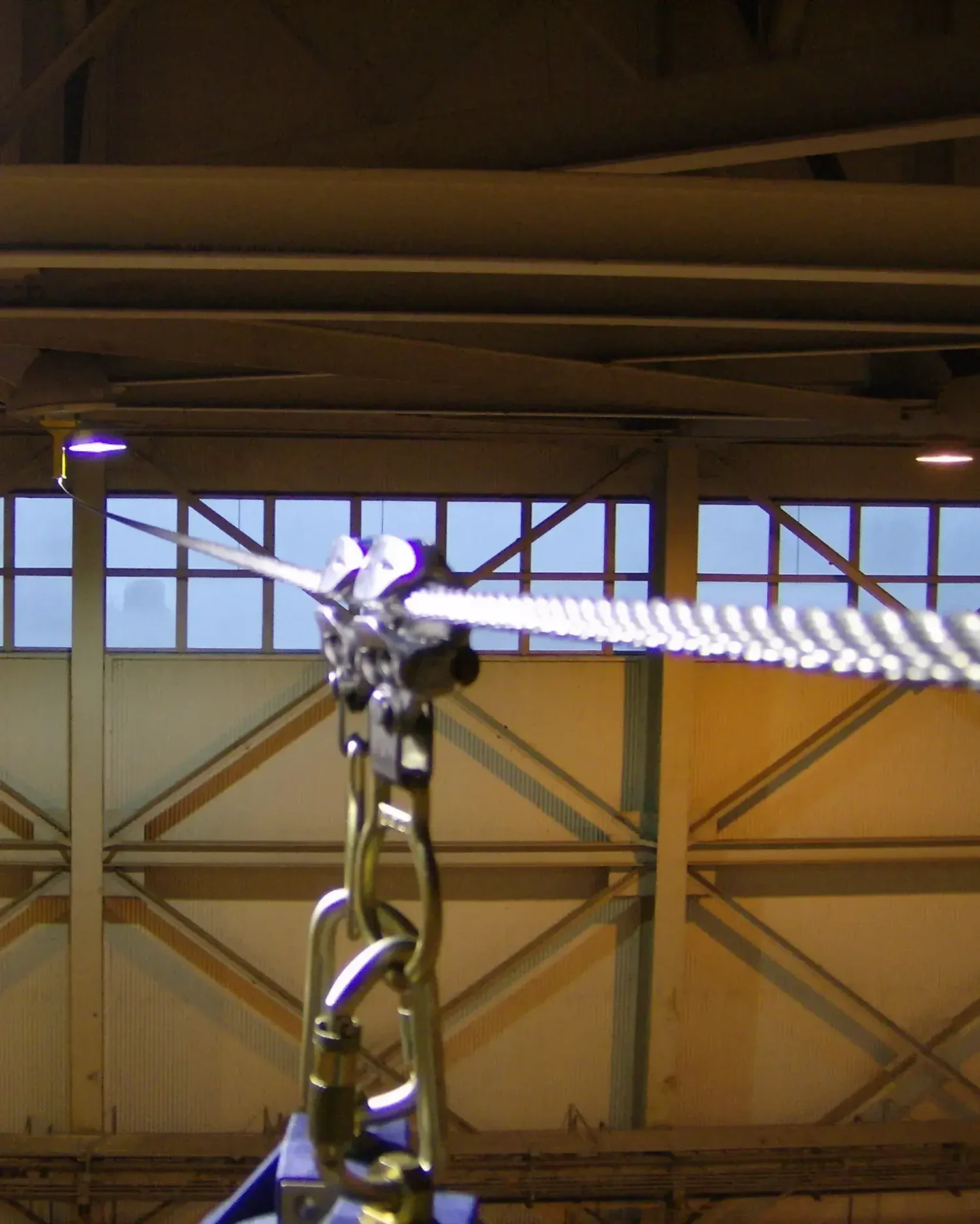
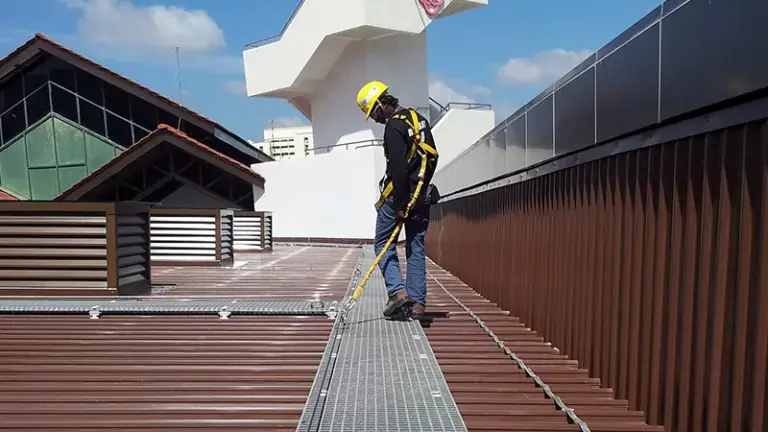
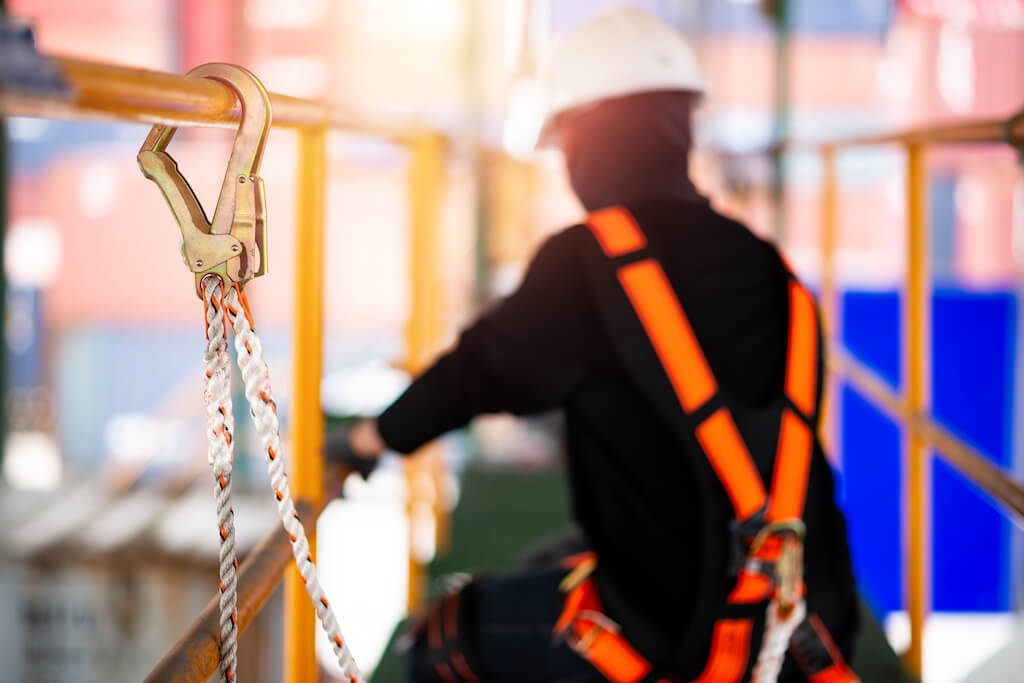
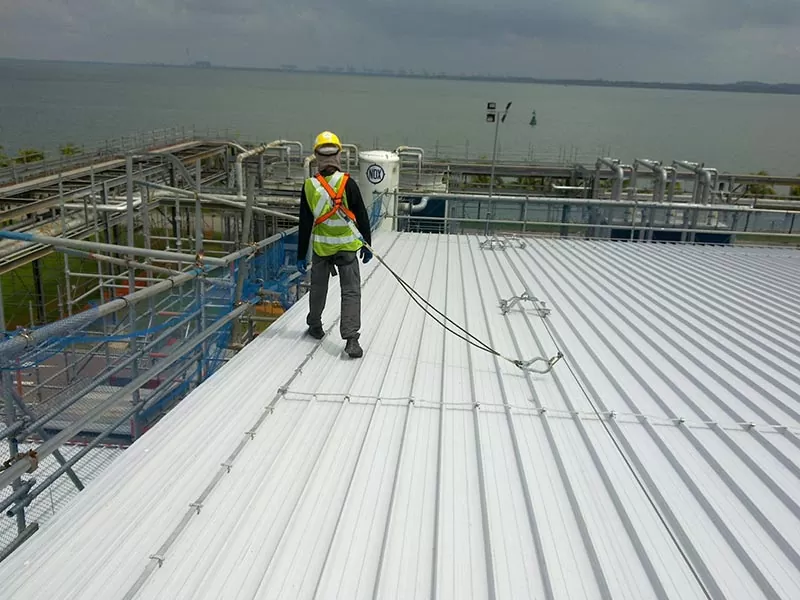
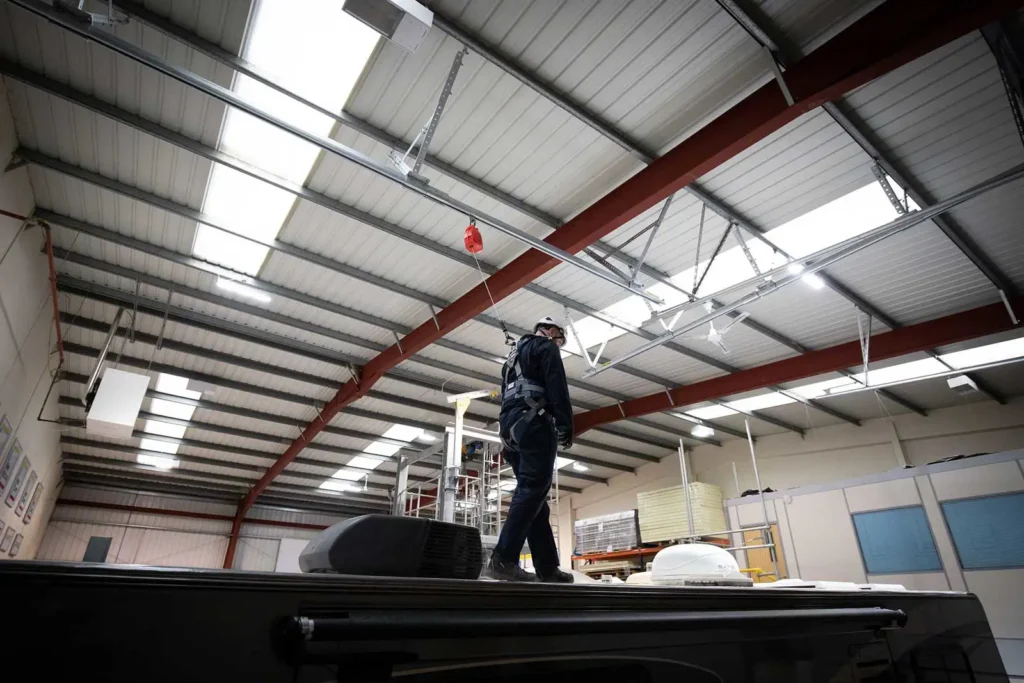
An overhead lifeline system is an engineered fall protection arrangement positioned above a worker’s working area. Its primary purpose is to provide a secure connection for a worker using compatible personal fall protection equipment. The system commonly consists of an overhead cable or rigid rail, structural supports, a travelling device and compatible connecting equipment. A worker normally connects a full-body harness to the travelling component using an appropriate connector or energy-absorbing device. The traveller allows the worker to move along a designated path without having to disconnect repeatedly from the lifeline. This arrangement can be particularly useful where employees need to travel horizontally across an elevated work area while carrying out regular maintenance or inspection activities. An Overhead Lifeline Malaysia system should always be selected and installed according to the actual workplace conditions and the requirements of the system manufacturer.
The overhead position of the lifeline can also provide important advantages when compared with certain lower anchorage arrangements. Depending on the system design, positioning the connection above the worker can help manage the potential fall path and reduce the amount of unnecessary equipment interference around the working area. However, the system must still provide adequate fall clearance and be properly matched with the worker’s harness and connecting equipment. The supporting structure must also be capable of handling the forces associated with the designed fall protection system. For this reason, an overhead lifeline should be treated as an engineered safety system rather than simply a cable installed above a work area.
Why Overhead Lifeline Systems Matter for Work at Height in Malaysia
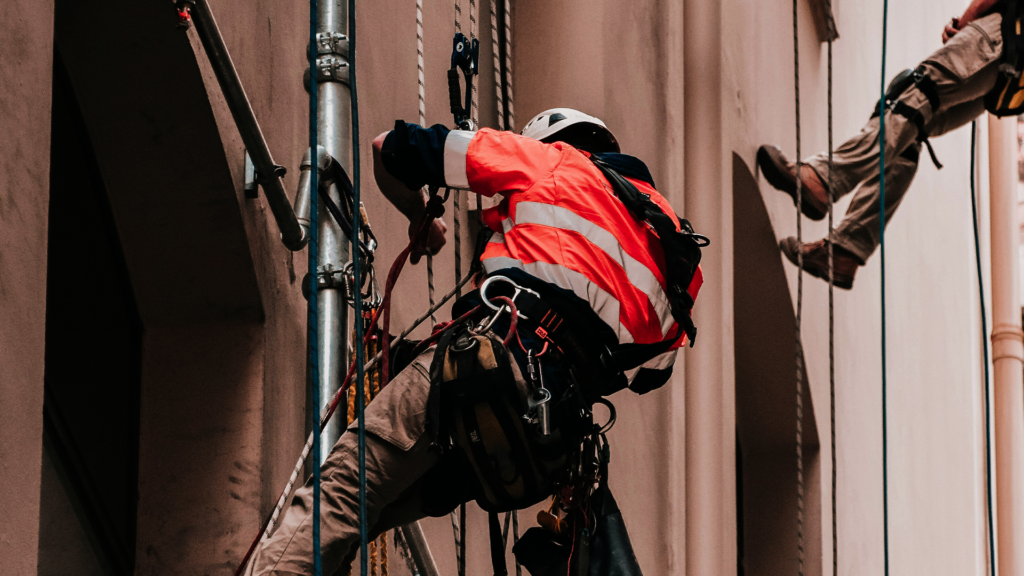
Work-at-height activities can occur across many Malaysian industries, including construction, manufacturing, logistics, transportation, facilities management and industrial maintenance. Workers may need to access roofs, elevated platforms, machinery, vehicles, production equipment or other structures as part of their regular duties. Repeated access to these areas can expose employees to hazards such as unprotected edges, slippery surfaces, openings, unstable footing and unexpected changes in elevation. A suitable fall arrest system Malaysia solution can help organisations manage these hazards by providing workers with an engineered means of protection. The exact system required depends on the task, location, structure and level of worker movement involved. Employers should therefore assess the work environment carefully before selecting any fall protection equipment. A properly designed system can provide a more controlled method of protecting employees during activities where eliminating the height hazard is not reasonably possible.
An overhead lifeline may be particularly valuable when workers need to move across a defined elevated work zone. Fixed anchor points can protect workers at specific locations, but they may not provide the same degree of movement across a longer working path. An overhead system can create a continuous or designated travel route where workers can remain connected while performing their duties. This can support safer working practices for maintenance personnel who regularly need to move from one position to another. It is important, however, that the system is designed around the actual movement required rather than installed simply because overhead protection appears convenient. Proper planning ensures that the lifeline, supporting structure and personal protective equipment work together as a complete safety arrangement.
How an Overhead Lifeline Malaysia System Works
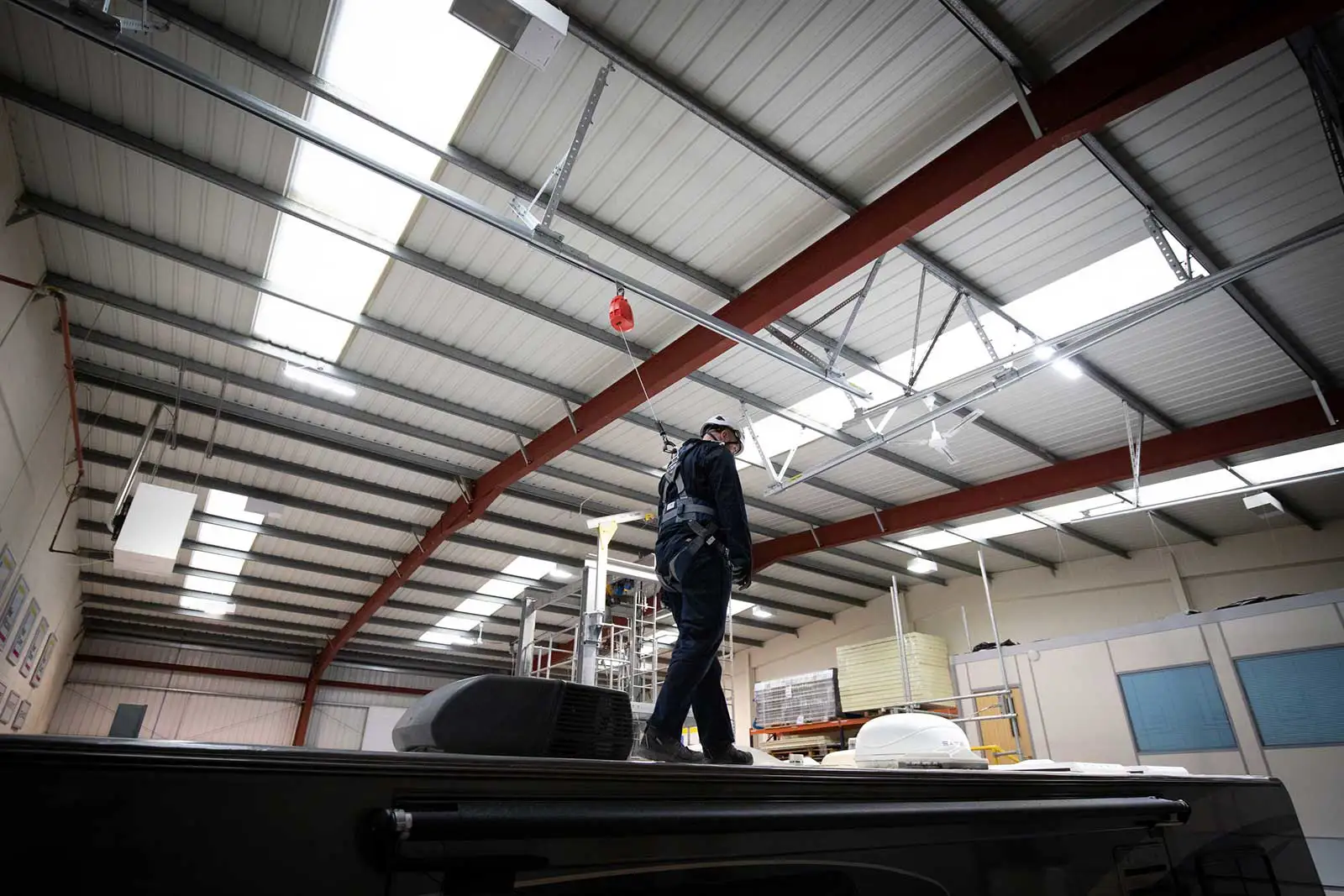
An Overhead Lifeline Malaysia system typically begins with a secure structural support designed to carry the loads associated with the fall protection arrangement. Depending on the application, this may involve structural steelwork, beams, specially engineered supports or another suitable load-bearing structure. The lifeline itself may use a flexible cable system or a rigid rail system, depending on the required movement and workplace conditions. A traveller or trolley moves along the cable or rail and provides the worker with a mobile connection point. The worker attaches the traveller to a compatible full-body harness through the appropriate connecting equipment. As the worker moves along the designated route, the traveller follows the movement while maintaining the connection to the overhead system. The complete arrangement must be designed so that the components work together correctly during normal use and during a potential fall event.
The structural support is one of the most important parts of the system because the lifeline cannot provide reliable protection if the supporting structure is unsuitable. Before installation, the condition, configuration and strength of the supporting structure should be assessed by an appropriately qualified professional. The lifeline route should also be planned around the worker’s required movement, access points and potential obstacles. Where curves, changes of direction or multiple users are involved, the system configuration needs careful technical consideration. Fall clearance must also be evaluated because a worker needs sufficient space below the connection point to avoid striking a lower surface or obstacle during a fall. Energy-absorbing components may be incorporated where required by the system design to help manage forces during a fall. Every component should be compatible with the manufacturer’s specifications and the intended use of the system.
Common Applications for Overhead Lifeline Systems in Malaysia
An overhead lifeline can be used across many workplaces where employees regularly perform tasks at height. Industrial facilities may use these systems around elevated maintenance platforms, production equipment and machinery access areas. Warehouses can require fall protection around high-level storage, loading areas and elevated service zones. Vehicle maintenance facilities may use overhead systems where technicians work above trucks, buses, specialised vehicles or other large equipment. Building maintenance teams can also benefit from engineered protection when carrying out elevated inspection, cleaning and repair work. Manufacturing plants may require fall protection around production lines, elevated platforms and equipment that cannot be safely serviced from ground level. Construction and engineering environments can have temporary or permanent work-at-height areas where a suitable industrial fall protection Malaysia solution is required.
The suitability of an overhead lifeline depends heavily on the nature of the work being performed. A system designed for a maintenance platform may not be suitable for a vehicle servicing area without appropriate assessment and modification. Similarly, a system installed outdoors may need to account for environmental exposure, corrosion and weather conditions. The number of workers using the system at the same time must also be considered during planning. Access routes, working positions and potential rescue requirements should form part of the design process. A professional assessment can help determine whether an overhead lifeline is appropriate for the workplace and what configuration would provide the required level of protection.
Key Benefits of an Overhead Lifeline System
One of the main advantages of an overhead lifeline is the mobility it can provide to workers operating within a designated elevated area. Instead of relying on separate fixed anchor points at multiple positions, a worker may be able to travel along an engineered route while remaining connected. This can make the system particularly useful for maintenance activities that require movement across machinery, vehicles, platforms or long work areas. An overhead connection can also keep some fall protection components away from the worker’s immediate working surface. This may reduce interference when employees need to move around equipment or carry out detailed maintenance tasks. When properly designed, an overhead system can provide a consistent approach to managing fall hazards across a defined working area. These advantages make overhead systems an important option when assessing fall protection equipment Malaysia for suitable industrial and commercial applications.
Another benefit is the ability to design the system around the workplace rather than forcing workers to operate within an unsuitable arrangement. Depending on the application, systems can be configured to accommodate different travel paths and working zones. This can support workplaces where elevated access is a regular part of daily operations. An engineered solution can also form part of a broader safety management programme that includes training, inspections, maintenance and rescue planning. The equipment itself should never be treated as a replacement for proper risk assessment or safe working procedures. Instead, it should complement other measures designed to prevent falls and protect workers when working at height.
Choosing the Right Overhead Lifeline Malaysia System
Selecting the right Overhead Lifeline Malaysia solution starts with understanding the workplace and the tasks employees need to perform. The first consideration should be the nature of the work and the areas where workers may be exposed to a fall hazard. Businesses should identify the required travel distance, access points, working positions and potential obstructions. The supporting structure should then be assessed to determine whether it can safely accommodate the proposed system. Environmental conditions should also be considered, particularly where the equipment will be exposed to rain, humidity, dust, chemicals or corrosive substances. The number of users and the expected frequency of use are also important when determining the appropriate system specification. These factors help ensure that the selected system is suitable for the actual demands of the workplace.
Fall clearance is another critical factor that should never be overlooked. The distance available below the worker must be sufficient to prevent contact with lower structures if a fall occurs. The calculation may need to consider the length of the connecting equipment, energy absorption, system movement, worker height and other relevant factors. The system should also be compatible with the full-body harness and other personal protective equipment being used. Businesses should avoid combining components from different systems unless compatibility has been confirmed by an appropriate technical source. The expected movement of workers should also be considered because a straight lifeline may not meet the requirements of an area that requires changes of direction. Careful planning before purchase can help prevent expensive modifications and unsuitable installations later.
Installation Considerations for Overhead Lifelines
Proper installation is essential for an overhead lifeline to perform as intended. An incorrectly installed system may not provide the protection expected by workers or employers. Installation should follow the manufacturer’s technical requirements and the approved design of the system. The supporting structure should be verified before the lifeline is attached, particularly where the installation involves existing steelwork or building components. Anchor positions, cable routes, rail sections, supports and connection points should all be installed according to the relevant specifications. The installation should also account for the worker’s movement and the required clearance below the system. A professional lifeline system installation Malaysia service can help businesses address these technical considerations correctly.
Once installation is complete, the system should be inspected before being placed into regular service. Documentation relating to the installation, system components and inspection should be retained where appropriate. Workers should also receive suitable training on how to use the system safely. Unauthorised changes should not be made to the lifeline because even a seemingly minor modification can affect the performance of the overall arrangement. Any structural changes around the system should also trigger an assessment to determine whether they affect the protection provided. Proper installation and documentation create a stronger foundation for ongoing inspection, maintenance and workplace safety management.
Inspection and Maintenance of Overhead Lifeline Systems
Regular inspection is an important part of maintaining an effective fall arrest system Malaysia solution. Workers should carry out appropriate pre-use checks before relying on their personal protective equipment and connection system. The overhead lifeline itself should also be inspected at intervals appropriate to the manufacturer’s requirements and workplace conditions. Components such as cables, rails, travellers, connectors, fasteners and structural supports should be checked for signs of damage or deterioration. Corrosion, deformation, excessive wear, loose components and damaged parts should be treated as potential safety concerns. Any equipment suspected of being damaged should be removed from service until it has been properly assessed. Maintaining inspection records can also help organisations monitor equipment condition and plan necessary maintenance.
Environmental conditions can affect the condition of a lifeline over time. Outdoor installations may experience rain, humidity and other weather-related exposure, while industrial environments can expose equipment to dust, chemicals or contaminants. Regular maintenance can help identify problems before they become more serious. The frequency of inspection should reflect the manufacturer’s requirements, system design and workplace conditions. Equipment that has been involved in a fall should not simply be returned to service without appropriate assessment. Employers should also ensure that workers understand how to report damaged equipment or unusual system behaviour. A consistent inspection and maintenance programme helps keep the fall protection arrangement ready for its intended purpose.
Safety Practices When Using an Overhead Lifeline
Workers should receive suitable training before using an overhead lifeline system. Training should cover the correct use of the full-body harness, traveller, connecting equipment and other components supplied for the system. Employees should understand how to connect themselves properly and how to move along the designated route without compromising their protection. Pre-use checks should be carried out to identify visible damage, wear or other problems before work begins. Workers should also understand the required fall clearance and avoid entering areas where the system cannot provide adequate protection. The manufacturer’s instructions and workplace safety procedures should always be followed. These basic practices are essential when using any work at height safety Malaysia solution.
A rescue plan should also be established before work begins at height. A fall arrest system can stop a worker from reaching a lower surface, but it does not remove the need for an effective emergency response. Workers and supervisors should know what actions to take if someone becomes suspended after a fall. The rescue plan should reflect the actual workplace, available equipment and access limitations. Employees should also be encouraged to report damaged components, unsafe conditions or changes to the work area. Regular training and refresher sessions can help workers remain familiar with the correct procedures. Good equipment becomes considerably more effective when supported by proper planning, training and responsible use.
Overhead Lifeline vs Other Fall Protection Systems
Different fall protection systems are designed for different workplace conditions. Fixed anchor points can be effective when a worker remains within a limited working position and does not need to travel extensively. Horizontal lifelines may provide movement across a wider area, while vertical lifelines can support workers moving up or down certain structures. Guardrails provide collective protection and can be particularly useful around suitable permanent platforms and edges. Safety nets may be appropriate for specific construction or industrial applications where other forms of protection are difficult to install. An overhead lifeline can be particularly useful where workers need to move horizontally along an elevated route while maintaining a connection to an engineered system. The correct choice should always be based on the workplace hazard assessment and the tasks being performed.
An overhead system may offer practical benefits where workers repeatedly access long or defined elevated work areas. However, it should not automatically be considered the best option for every situation. Some locations may be better served by guardrails or other forms of collective protection. Other work areas may require a combination of systems because workers perform different tasks at different locations. The available fall clearance, structural arrangement and required worker movement should all be considered. Businesses should also assess whether the system can be properly installed, inspected and maintained throughout its service life. A professional assessment can help determine the most appropriate approach for the specific workplace.
Standards, Compliance and Professional Assessment in Malaysia
Fall protection planning should take applicable Malaysian workplace safety requirements into account. Employers have a responsibility to identify workplace hazards and implement suitable control measures for activities that expose workers to risk. An overhead lifeline should therefore be considered as part of a wider occupational safety programme rather than as an isolated piece of equipment. Businesses should review the technical documentation supplied by the manufacturer and confirm that the selected system is suitable for the intended application. Relevant testing, certification and product information should be checked before equipment is purchased or installed. Professional assessment can also help organisations understand the structural and technical requirements associated with the proposed system. These measures support a more responsible approach to industrial fall protection Malaysia.
Compliance should not be viewed purely as a documentation exercise. The system must also work effectively within the actual environment where employees perform their duties. This means considering access, movement, fall clearance, equipment compatibility, inspection and emergency response. Organisations should maintain appropriate records relating to installation, inspection, maintenance and worker training. Where specialist assessment is required, businesses should engage suitably qualified or competent professionals. Changes to a building, roof, platform or structural support may also require the existing fall protection arrangement to be reassessed. A properly managed system combines technical requirements with practical workplace safety.
How to Plan an Overhead Lifeline for a Specific Workplace
Planning should begin by identifying every task that requires workers to operate at height. Employers should determine where workers stand, how they move and which areas create potential fall hazards. The work area should then be mapped to identify access routes, equipment, structures and obstacles that may affect the lifeline. The supporting structure must be assessed before determining where anchors or supports can be installed. The required travel path should then be considered so the system provides appropriate coverage without creating unnecessary restrictions. The expected number of users and frequency of access should also be included in the planning process. These details provide a practical basis for selecting an appropriate Overhead Lifeline Malaysia configuration.
Fall clearance should be verified as part of the design process rather than after installation. The type of harness, connecting device and energy-absorbing equipment should be considered alongside the lifeline itself. The workplace should also have suitable procedures covering inspection, maintenance and emergency rescue. Workers should receive training before the system becomes part of their normal work routine. Any changes to the work area should be reviewed to determine whether they affect the system. Regular monitoring can help identify new hazards created by equipment changes, construction work or alterations to the building. A carefully planned system can provide more reliable protection while supporting the practical needs of workers.
What to Look for When Sourcing an Overhead Lifeline Malaysia Provider
Businesses should look beyond the initial equipment price when selecting an overhead lifeline provider. Experience with engineered fall protection systems is an important consideration because every workplace has different structural and operational requirements. A suitable provider should be able to explain the system design, equipment specifications and installation requirements clearly. Technical documentation should be available so businesses can understand what equipment is being supplied and how it should be used. Installation services should follow the manufacturer’s requirements and the approved system design. Providers that can also support inspection, maintenance and worker training may offer greater long-term value. These services can help organisations manage the complete lifecycle of their Overhead Lifeline Malaysia system.
Businesses should also consider whether the provider can assess the actual workplace before recommending a solution. A site assessment can identify structural limitations, access problems, clearance requirements and other factors that may not be obvious from photographs or basic measurements. The provider should be willing to explain why a particular system is suitable for the intended application. Clear documentation and technical support are also valuable when managing workplace safety requirements. Organisations should check product specifications, installation procedures and available support before making a purchasing decision. Selecting the right provider can make the process of designing, installing and maintaining an overhead fall protection system more straightforward.
Building a Safer Work-at-Height Strategy with Overhead Lifelines
An overhead lifeline can form an important part of a wider strategy for protecting workers who perform elevated tasks. However, the equipment should work alongside proper risk assessment, training, personal protective equipment and safe work procedures. Employers should first consider whether a height-related task can be eliminated or carried out using a safer method before relying on fall protection equipment. Where working at height remains necessary, suitable engineering controls should be considered carefully. An Overhead Lifeline Malaysia system can provide an engineered connection for workers who need to move through defined elevated work areas. Its effectiveness depends on correct design, suitable installation, compatible equipment, regular inspection and proper worker training. Every part of the safety arrangement should support the same objective: reducing the risk of serious injury during work at height.
Businesses should regularly review their elevated work areas to determine whether existing protection remains suitable. Changes to machinery, building structures, work processes or access routes can create new hazards that were not present during the original installation. Inspection and maintenance should therefore remain ongoing activities rather than one-time tasks. Employees should also have clear procedures for reporting damaged equipment or unsafe working conditions. Professional advice can be valuable when a workplace requires a new lifeline, system modification or structural assessment. With appropriate planning and management, overhead lifelines can provide a reliable fall protection option for many Malaysian workplaces. Selecting the right system and managing it correctly can help organisations create safer conditions for employees who must perform essential work at height.