

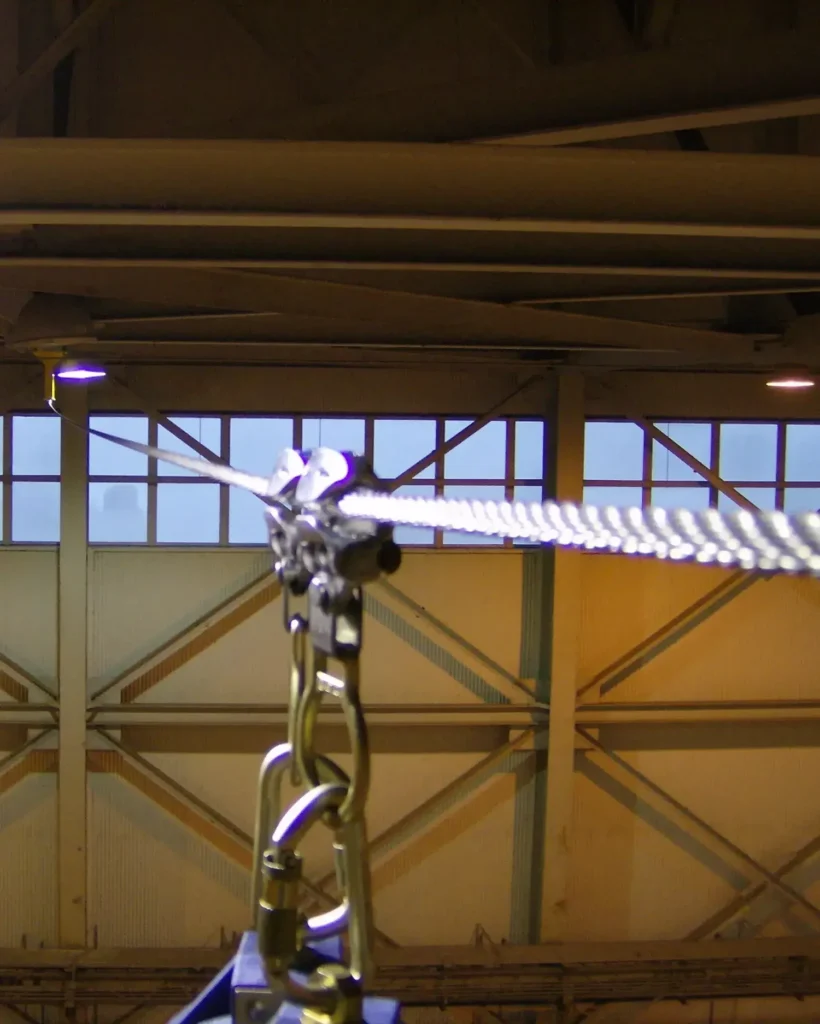
Working at height requires carefully planned protection systems that allow workers to perform essential tasks while reducing the risk of serious falls. An Overhead Lifeline Thailand system provides a practical fall protection solution for workplaces where personnel need to move beneath or alongside elevated structures. Unlike basic anchor points that may restrict movement to a single location, an overhead lifeline can allow workers to travel along a designated route while remaining connected. This makes the system particularly useful for industrial facilities, warehouses, aircraft hangars, maintenance areas and other large workplaces. A properly designed overhead fall protection system Thailand solution must take account of the supporting structure, worker movement, equipment compatibility, fall clearance and environmental conditions. Selecting the right equipment is only one part of creating a safe working-at-height arrangement. Professional design, correct installation, worker training, inspection and rescue planning all contribute to the effective operation of an overhead lifeline system.
What Is an Overhead Lifeline System?
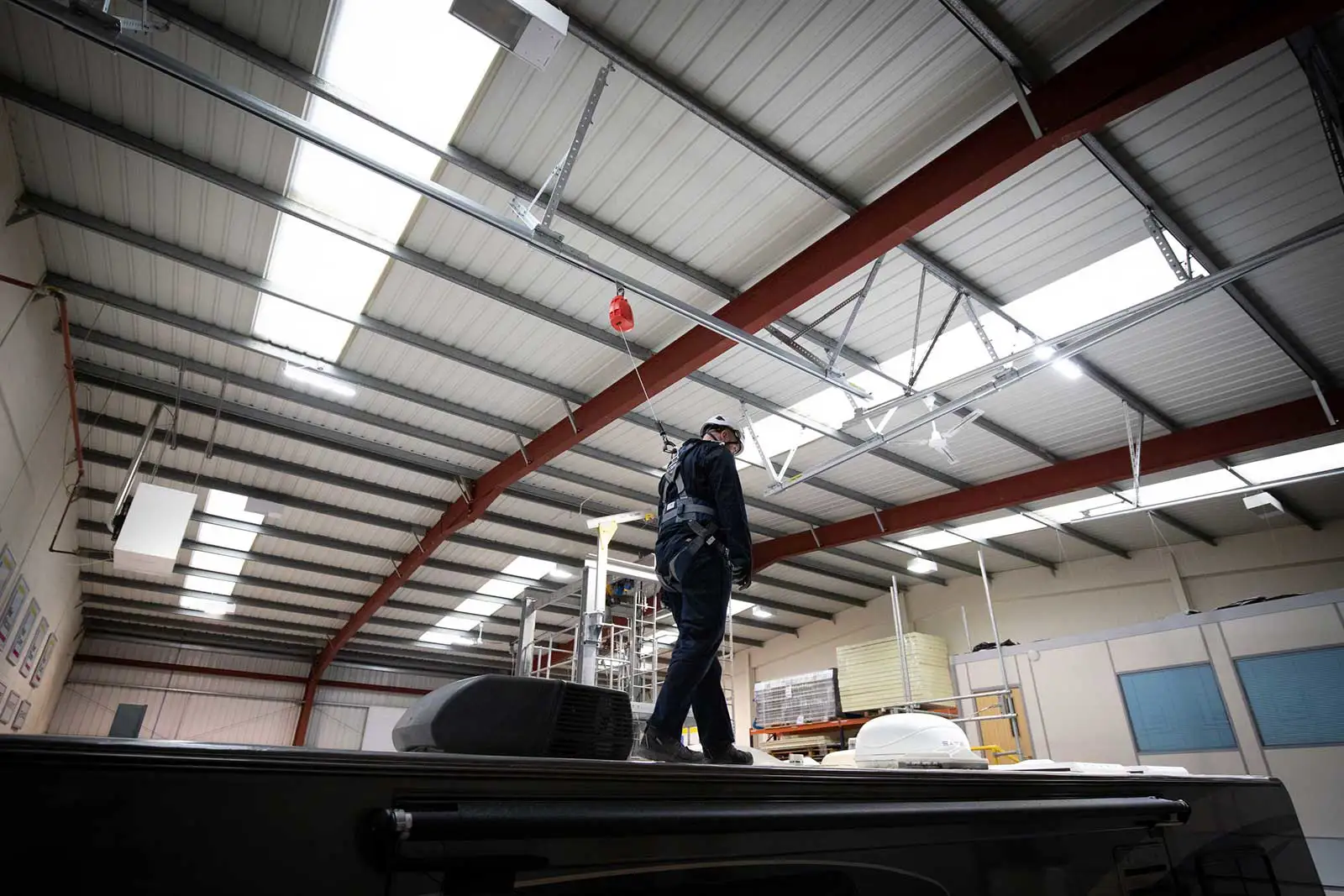
An overhead lifeline system is a fall protection arrangement installed above a worker’s normal working position. The system typically consists of an overhead cable or rigid rail, structural attachment points, a travelling device and compatible personal fall protection equipment. A worker normally connects to the travelling component through a full body harness and an appropriate connecting device. As the worker moves along the designated route, the travelling device follows the lifeline while maintaining the connection. This arrangement can provide greater freedom of movement than a fixed anchor point because the worker does not necessarily need to disconnect when moving between different positions. The system can be designed for fall restraint or fall arrest, depending on the workplace hazards and the selected configuration. Every component must be suitable for the intended application and installed according to the manufacturer’s technical requirements.
Main Purpose of an Overhead Lifeline
The primary purpose of an overhead lifeline is to provide controlled protection for workers who may be exposed to a fall from an elevated working position. A well-planned system can help workers remain attached while carrying out inspection, maintenance, servicing or operational duties. Continuous connection can also reduce the need for repeated disconnection and reconnection when a worker travels along a defined route. This can be especially useful where workers need to cover long distances above machinery, vehicles or production equipment. Depending on the design, an overhead lifeline may help prevent a worker from reaching a fall hazard or arrest a fall after it occurs. The selected approach should always reflect the hierarchy of fall protection measures and the specific risks present at the workplace. Employers should also ensure that workers understand how the system is intended to be used before access to the protected area is permitted.
How Does an Overhead Lifeline Thailand System Work?
An Overhead Lifeline Thailand system works by creating a continuous or controlled attachment route above the working area. The lifeline is secured to suitable structural supports that have been assessed for the intended loads and application. A travelling trolley or similar attachment device connects the worker’s personal protective equipment to the lifeline. When the worker moves horizontally, the travelling component follows the route rather than requiring the worker to repeatedly disconnect. The worker normally wears a compatible full body harness connected through an approved lanyard or self-retracting lifeline. If a fall occurs, the complete system is designed to manage the forces generated by the fall according to its intended configuration. Correct system selection, installation, clearance assessment and equipment compatibility are therefore essential for the arrangement to perform as designed.
Worker Connection and Movement
Worker movement is one of the main reasons businesses choose an overhead lifeline rather than relying exclusively on individual fixed anchor points. A travelling device can allow a worker to move across a designated area while maintaining attachment to the system. The worker’s harness provides the primary body connection, while the connecting equipment links the harness to the travelling component. Workers should use only compatible equipment specified for the particular system. The route should be planned so that workers can reach the areas where maintenance or inspection activities are required without creating unnecessary exposure to fall hazards. Workers must also understand how to negotiate changes in direction, access points and transitions where these features are included within the system design. Practical training should form part of the overall fall protection arrangement.
Fall Arrest and Fall Restraint Applications
Fall restraint and fall arrest are two different approaches that can be incorporated into a fall protection strategy. Fall restraint is intended to prevent a worker from reaching a position where a fall could occur. Fall arrest systems are designed to stop a fall after it has started while controlling the forces transferred to the worker and system. The choice between these approaches depends on the available working area, fall hazards, system configuration and other site conditions. Where fall arrest is used, sufficient clearance below the worker is essential because the worker and equipment may travel downward during an arrested fall. A system should never be selected simply because it is labelled as a fall arrest product without considering the complete working environment. Competent personnel should assess the application and confirm that the selected arrangement is suitable for the intended task.
Key Components of an Overhead Lifeline System
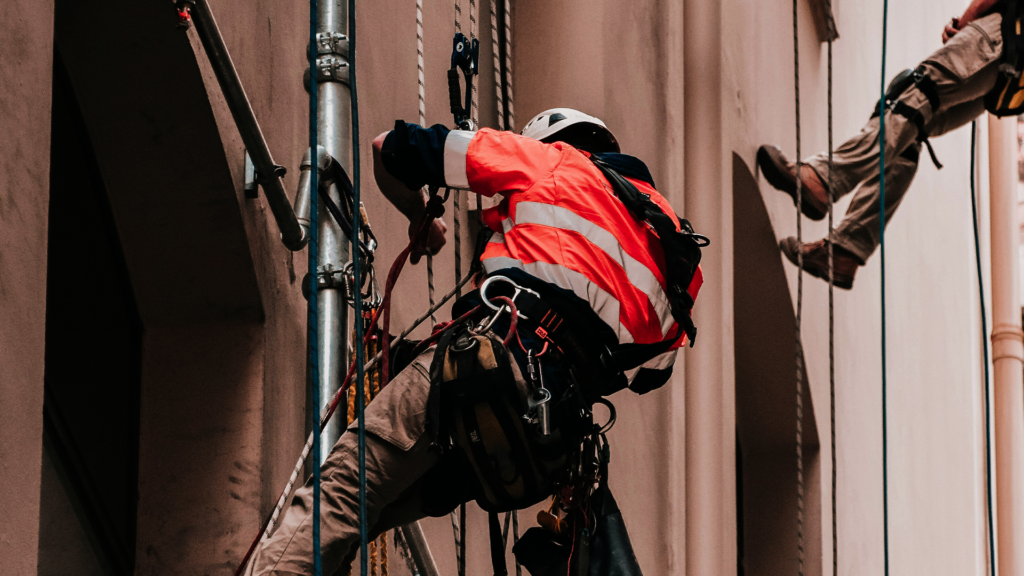
A reliable overhead lifeline consists of several components that work together as one fall protection system. The overhead lifeline itself may use a flexible cable or a rigid rail depending on the application and design requirements. Structural anchor points connect the system to the building or supporting framework. A travelling trolley or attachment device allows the worker to move along the designated route while remaining connected. Personal equipment, such as a full body harness and suitable connecting device, provides the connection between the worker and the system. Energy-absorbing components may also form part of the arrangement where fall arrest is required. Every component should be selected for compatibility, installed correctly and maintained according to the relevant technical instructions.
Overhead Lifeline Cable or Rail
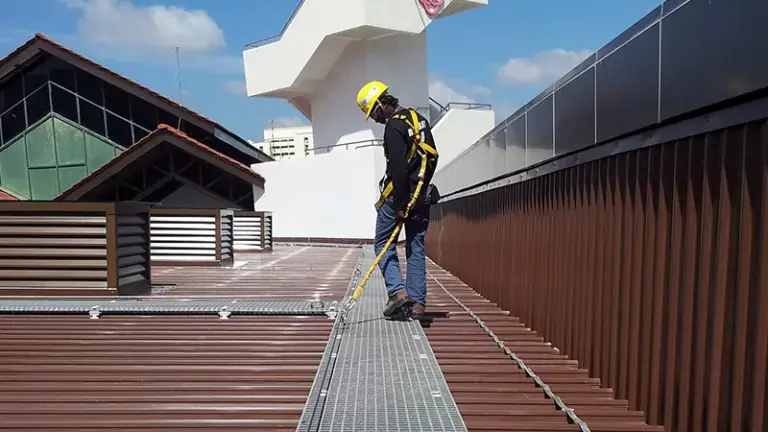
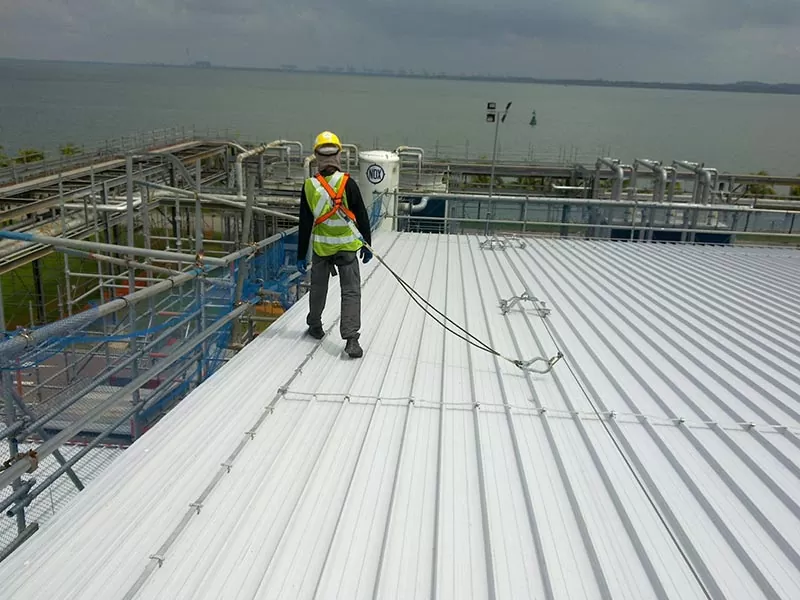
Cable-based horizontal lifeline systems use a tensioned cable supported by suitable end and intermediate attachment points. Rigid rail systems use a fixed track along which a travelling device moves. The choice between cable and rail can depend on the required route, number of users, movement requirements and physical characteristics of the facility. Cable systems can offer useful flexibility for certain long travel routes, while rail systems may provide controlled movement through specific areas. Materials should also be selected according to the environmental conditions surrounding the installation. Facilities exposed to high humidity, salt air, chemicals or corrosive substances may require specific material and surface protection considerations. The final choice should be based on a technical assessment rather than appearance or initial purchase price alone.
Structural Anchor Points
Structural anchor points are critical because they transfer forces from the lifeline into the supporting structure. The supporting beams, steelwork, roof structure or other attachment locations must therefore be suitable for the intended system. Installing anchors without checking the structure can create a serious safety risk even when the lifeline equipment itself is properly manufactured. Structural assessments may require input from appropriately qualified engineering personnel depending on the building and project requirements. Fixings must also be appropriate for the substrate and installed according to the specified procedure. Any changes to the supporting structure or system should be assessed before modifications are made. The anchor arrangement should form part of the complete engineered system rather than being treated as an isolated hardware installation.
Travelling Trolley or Connector
The travelling trolley allows a worker to move along the overhead lifeline while remaining connected. Its design must match the cable or rail system for which it has been approved. A worker should never substitute an unrelated trolley, connector or attachment device simply because it appears physically compatible. Smooth movement can be particularly important when personnel need to travel long distances or work around large pieces of equipment. The travelling device should be checked regularly for damage, deformation, contamination and other conditions that could affect operation. Workers should also receive practical training on how to attach, move and disconnect from the system safely. Manufacturer instructions should always take priority when defining the correct use of the travelling device.
Full Body Harness
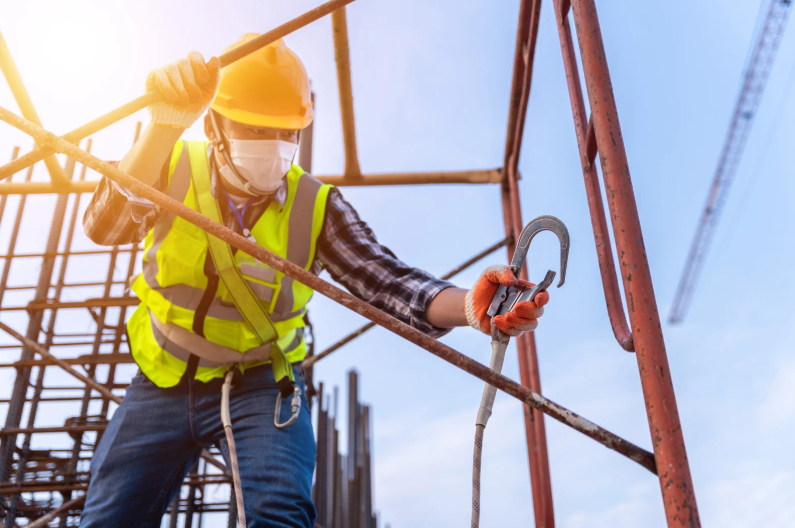
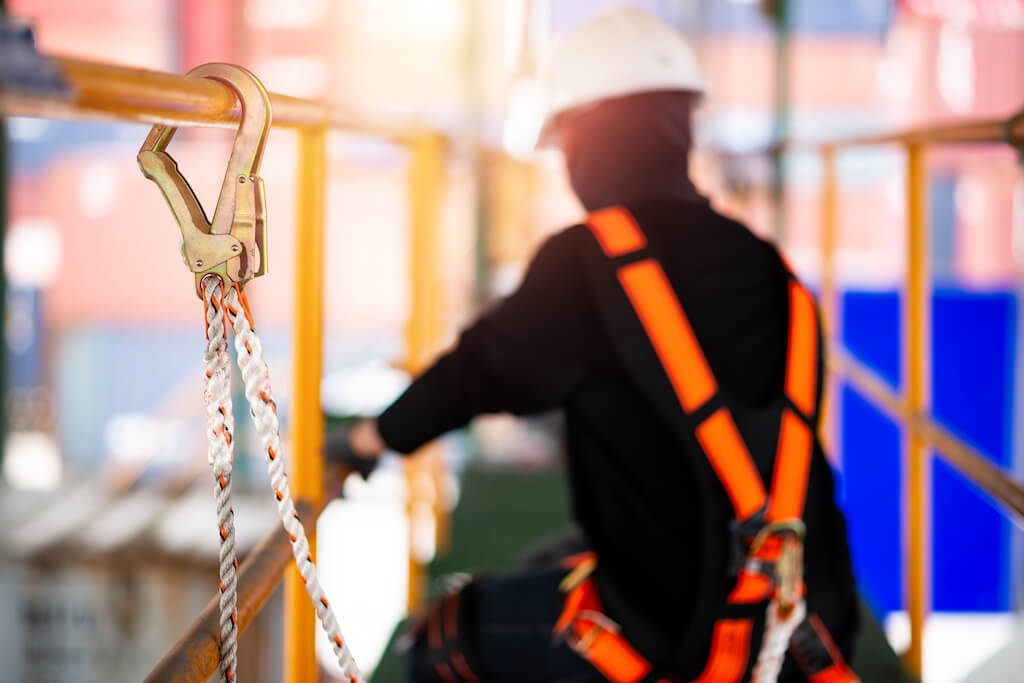
A full body harness is a central part of personal fall protection equipment used with many overhead lifeline configurations. It is designed to distribute forces through appropriate areas of the body when used correctly. The harness must be correctly sized, fitted and adjusted before a worker enters a protected working area. Harnesses should be inspected regularly for cuts, abrasion, damaged stitching, contamination, deformation and other signs of deterioration. Workers should also understand the correct attachment point for the particular fall protection application. Using the wrong attachment point or incorrectly fitted harness can affect the intended performance of the equipment. A suitable harness should therefore be selected as part of the complete system rather than as an unrelated piece of PPE.
Where Are Overhead Lifeline Systems Used in Thailand?
Overhead lifeline systems can support fall protection requirements across a range of industrial and commercial workplaces throughout Thailand. Manufacturing plants often have elevated maintenance areas where workers need access to machinery, production equipment and service platforms. Warehouses may require protection around loading areas, elevated inspection zones and equipment maintenance locations. Aircraft hangars can benefit from long overhead systems because maintenance personnel may need to travel across substantial working areas. Commercial buildings may also use overhead systems for servicing mechanical equipment, roof-level installations and other elevated assets. Construction and maintenance contractors can encounter similar requirements when working around large structures or fixed equipment. The appropriate system will depend on the actual hazards, structure and working procedures at each location.
Industrial Facilities and Manufacturing Plants
Manufacturing environments can contain numerous elevated work areas that require regular inspection and maintenance. Workers may need to access production lines, machinery, conveyors, tanks or elevated platforms. An overhead lifeline can provide a defined attachment route where conventional edge protection is not practical for the task. The system can also help maintenance teams travel between designated work positions while remaining connected. Industrial facilities should consider machinery clearance, moving equipment, electrical hazards and access routes during system planning. The system must not interfere with normal production activities or create additional hazards for workers below. Regular inspection is particularly important in environments where dust, chemicals, heat or mechanical activity could affect equipment.
Warehouses and Distribution Centres
Warehouses often contain elevated structures, loading areas, storage systems and mechanical equipment requiring periodic servicing. Workers may need to access areas that are difficult to protect using conventional guardrails. An overhead lifeline can provide a defined travel route for maintenance and inspection personnel. The system may be positioned above a loading bay, service platform or other designated working area. Warehouse operations should consider vehicle movement, suspended loads, racking systems and pedestrian routes when planning the installation. The lifeline should be positioned so that it provides useful access without creating interference with normal warehouse operations. Training and site procedures should clearly define where workers may connect and how the system should be used.
Aircraft Hangars and Large Maintenance Facilities
Aircraft hangars can present challenging fall protection requirements because workers may need to operate across large, open areas. Maintenance personnel can work at significant heights while inspecting aircraft surfaces, structures, lighting systems and mechanical equipment. An overhead lifeline can provide a continuous attachment route across a large maintenance zone. The route can be designed around the required work areas while reducing unnecessary disconnection. Hangar operations must also consider aircraft movement, ground equipment and other activities that may occur below the elevated working area. System components should be selected for the environment and expected frequency of use. A carefully designed installation can support both worker access and efficient maintenance procedures.
Benefits of Installing an Overhead Lifeline Thailand System
An Overhead Lifeline Thailand system can provide several practical benefits when correctly designed and implemented. Continuous connection can reduce unnecessary disconnection while workers travel along an established route. Greater movement can make maintenance tasks more practical in large industrial areas. An overhead configuration can also be useful where guardrails or other collective protection methods cannot be installed without interfering with operations. The system can create clearly defined protected work zones that support workplace safety procedures. A properly planned arrangement can also integrate with full body harnesses, energy-absorbing equipment and rescue planning. These benefits depend on correct design, installation, training, inspection and ongoing management.
Continuous Worker Connection
Maintaining attachment is particularly useful where workers need to travel between multiple elevated work positions. A suitable travelling device can follow the worker along the lifeline route. This reduces the number of times a worker may need to disconnect and reconnect manually. Fewer connection changes can simplify certain maintenance activities while supporting continuous attachment. The system route should still be designed carefully to avoid areas where workers could become exposed to unprotected edges. Workers must follow the approved travel route and use the equipment as trained. Continuous connection should be treated as one element of a wider fall protection plan.
Greater Freedom of Movement
Workers often need to move horizontally when servicing machinery, inspecting equipment or maintaining large structures. An overhead system can provide a longer working range than a single fixed anchor point. This can make it easier to reach designated work positions without repeatedly changing attachment locations. Movement can also be smoother when the system uses a suitable travelling trolley or rail device. The route should account for obstacles, changes of direction and the worker’s actual reach requirements. Greater freedom should never be confused with unrestricted access to every part of a facility. The system only provides protection within the area for which it has been designed.
Factors to Consider Before Choosing an Overhead Lifeline
Selecting an overhead lifeline requires careful assessment of the workplace rather than simply choosing a product from a catalogue. The first consideration is the structure that will support the system. The planned travel route should then be reviewed to identify the areas workers need to access. Fall clearance must be assessed so that sufficient space is available beneath the worker if fall arrest is required. The number of users should also be considered because systems have specified capacity limits. Environmental factors such as heat, humidity, chemicals and coastal exposure can influence equipment selection and maintenance requirements. A competent assessment should bring these factors together before the system is purchased or installed.
Building and Structural Capacity
The supporting structure must be capable of handling the forces associated with the intended lifeline system. Steel beams, concrete structures, roof assemblies and other supporting elements may have different characteristics and fixing requirements. Structural condition should be checked before anchors are installed. Existing corrosion, damage or modifications may affect the suitability of a particular attachment location. Engineering input may be necessary to verify the structural design and connection method. The installation should follow the manufacturer’s requirements and approved engineering specifications. Structural capacity should never be assumed simply because a beam appears large or strong enough visually.
Working Area and Travel Distance
The lifeline route should correspond closely with the areas where workers actually need to perform tasks. A route that is too short may leave workers exposed when they reach the end of the protected zone. A poorly positioned route may also create awkward working positions or unnecessary side loading. Designers should consider the required travel distance, support locations, access points and changes in direction. The system should provide useful coverage without creating unnecessary complexity. Worker movement should be assessed before the final route is approved. Clear drawings and installation documentation can help ensure that the finished system matches the planned arrangement.
Fall Clearance
Fall clearance is one of the most important technical considerations when planning a fall arrest system. The available distance beneath a worker must account for the movement of the worker and the behaviour of the connecting equipment and lifeline. Harness attachment height, lanyard length, energy absorber deployment and system deflection can all affect the total clearance requirement. Nearby platforms, machinery, floors and structures can create dangerous obstruction hazards. Swing-fall risks should also be considered where a worker could move sideways during a fall. Clearance calculations should be completed before the system is placed into service. Workers should understand why remaining within the designated working area is essential.
Environmental Conditions
Thailand’s climate can expose outdoor and industrial equipment to heat, humidity and rainfall. Coastal facilities may also face increased exposure to salt and corrosive conditions. Chemical processing environments can introduce additional risks to metal components and synthetic materials. Equipment selection should therefore reflect the environment where the lifeline will operate. Regular inspections may need to pay particular attention to corrosion, contamination and material degradation. Cleaning procedures should follow the manufacturer’s recommendations rather than using unapproved chemicals or methods. Environmental conditions should also be considered when planning the expected service life and maintenance schedule.
Overhead Lifeline Installation in Thailand
Professional installation is an important part of establishing a dependable overhead fall protection system Thailand solution. The process should begin with a detailed site assessment covering the structure, fall hazards, work areas and worker movement. System designers can then establish the lifeline route and determine suitable attachment locations. Structural connections should be selected according to the supporting material and engineered requirements. Installation should follow the manufacturer’s specifications and project documentation. The finished system should be inspected and verified before workers are permitted to use it. Installation records, system information and worker instructions should be retained for future inspection and maintenance activities.
Site Assessment
A site assessment identifies the hazards that the overhead lifeline is expected to address. The assessment should consider working heights, exposed edges, access routes and potential fall paths. The supporting structure should also be examined for suitable attachment locations. Other workplace activities, including vehicle movement and machinery operation, should be considered. Designers should understand how workers actually perform their tasks rather than relying solely on architectural drawings. Any restrictions affecting rescue access should also be identified during planning. The assessment provides the information needed to develop a practical system configuration.
System Design
System design should establish the exact lifeline route and supporting points. Designers should consider travel direction, number of users, system capacity and fall clearance. The selected components should be compatible with one another and appropriate for the environment. Where a cable system is used, support spacing and tension requirements should follow the relevant technical specifications. Rail systems should be designed around the intended travel route and attachment device. Design documentation should provide enough information for installers to understand the intended configuration. Any later modification should be reviewed before work begins.
Structural Fixing
Structural fixing determines how the lifeline loads are transferred into the building. The fixing method must suit the material and condition of the supporting structure. Incorrect anchors, unsuitable fasteners or poor installation techniques can compromise the entire fall protection system. Installers should follow approved specifications and manufacturer instructions. Where required, structural verification should be completed by suitably qualified professionals. Connections should be inspected as part of the completed installation. Any signs of structural damage or unexpected movement should be investigated before the system is used.
Safety Standards and Requirements for Overhead Lifelines
Fall protection equipment should be selected with relevant safety requirements and recognised technical standards in mind. Different components can be covered by different standards depending on their function and configuration. Horizontal lifelines, anchors, harnesses, energy absorbers and self-retracting devices may each have specific performance requirements. Employers operating in Thailand should consider applicable Thai occupational safety requirements alongside relevant international standards where appropriate. Manufacturer documentation can provide important information about testing, compatibility, installation and use. Compliance should not be treated as a label placed on a single product because the complete installed system must also be suitable for its intended application. Professional technical advice can help businesses determine which requirements apply to their particular workplace and system.
Inspection, Maintenance and Testing of Overhead Lifeline Systems
An overhead lifeline requires ongoing inspection and maintenance after installation. Workers should carry out appropriate pre-use checks before connecting to the system. These checks can identify visible damage, corrosion, loose components or other obvious defects. Periodic inspections should also be performed by competent personnel according to the manufacturer’s recommendations and workplace requirements. The supporting structure and attachment points should form part of these inspections rather than focusing only on the cable or rail. Equipment that has arrested a fall should be removed from service until it has been properly assessed. Inspection findings should be documented so that the condition and maintenance history of the system can be monitored.
Pre-Use Checks
Workers should inspect their harness, connecting equipment and travelling device before use. They should look for cuts, abrasion, broken stitching, deformation, corrosion and other visible damage. The lifeline itself should also be checked for obvious defects or unusual conditions. Any component that appears unsafe should not be used until it has been assessed. Workers should understand the reporting procedure for defective equipment. Pre-use inspections should be straightforward enough to perform consistently before each task. Regular checks provide an important opportunity to identify problems before equipment is relied upon for fall protection.
Periodic Inspection
Periodic inspections provide a more detailed assessment than a normal pre-use check. A competent person can inspect the entire system, including structural anchors, cable or rail, travelling devices and associated equipment. Inspection frequency should reflect the manufacturer’s instructions, environmental conditions, usage levels and workplace requirements. Facilities exposed to harsh industrial or coastal environments may require closer attention to corrosion and material degradation. Records should identify inspection dates, findings and any corrective action taken. Components that fail inspection should be removed from service where necessary. A documented inspection programme helps organisations manage their fall protection equipment systematically.
After a Fall Event
A fall arrest event can subject equipment and structural components to significant forces. Equipment involved in a fall should therefore not automatically be returned to service. The affected system should be isolated and assessed by appropriately qualified or authorised personnel. Damaged components may require replacement rather than repair. The cause of the incident should also be reviewed to determine whether changes to procedures or training are necessary. Rescue equipment and emergency procedures should be checked following any incident. Returning a system to service should only occur when its safety and suitability have been properly established.
Common Mistakes to Avoid When Using an Overhead Lifeline
One common mistake is installing an overhead lifeline without assessing the supporting structure. Another is selecting equipment based primarily on price rather than compatibility, design requirements and long-term operating conditions. Mixing components that have not been approved for use together can create unpredictable performance. Ignoring fall clearance can also leave workers exposed to structures below the working area. Exceeding the permitted number of users can place additional loads on the system beyond its intended capacity. Workers may also fail to report damaged equipment or continue using equipment after a fall event. These mistakes highlight why system design, training, inspection and supervision are all essential parts of fall protection management.
Training Workers to Use an Overhead Lifeline Safely
Training helps workers understand how an overhead lifeline is intended to protect them. Personnel should learn how to inspect and correctly fit their full body harness before use. They should understand the correct connection point and how to attach their travelling device. Practical training should demonstrate how to move along the system without creating additional hazards. Workers should also learn about fall clearance, swing falls and restricted working zones. Emergency rescue procedures should form part of the training where fall arrest is involved. Refresher training should be considered when procedures change, new equipment is introduced or inspection findings indicate a need for additional instruction.
Emergency Rescue Planning for Overhead Lifeline Users
Every fall arrest arrangement should be supported by a realistic rescue plan. A worker who is suspended after a fall may require prompt assistance, so relying solely on an unplanned response can create additional risk. Rescue planning should identify suitable equipment, trained personnel and safe access routes. The plan should consider where a worker could fall and how rescuers can reach that location. Facilities should also consider communication arrangements and coordination with relevant emergency resources. Rescue procedures should be practical enough for workers to understand and follow under pressure. Periodic exercises can help identify weaknesses before an actual emergency occurs.
How to Choose an Overhead Lifeline Thailand Provider
Choosing a suitable provider is an important step when planning an Overhead Lifeline Thailand installation. Businesses should look for suppliers or contractors with appropriate experience in fall protection and working-at-height systems. Technical product documentation should be available for the equipment being proposed. A reputable provider should be able to discuss site assessment, system design, installation and inspection requirements. Businesses should also ask whether the provider can support worker training and maintenance after installation. The proposed system should be based on the actual workplace rather than simply selecting a standard product without assessing site conditions. Clear technical information and professional support can make the purchasing and installation process more effective.
Building a Reliable Fall Protection Strategy Around an Overhead Lifeline
An overhead lifeline should form part of a wider workplace fall protection strategy rather than being viewed as the only safety measure. Employers should first identify work-at-height hazards and assess whether collective protection measures can be used. Guardrails, protected platforms and suitable access systems may be appropriate for some tasks. Personal fall protection equipment can then be considered where other controls cannot provide sufficient protection. The system should be supported by training, inspection, maintenance and emergency rescue procedures. Workplace layouts should be reviewed whenever machinery, production processes or maintenance activities change. Regular risk assessment helps ensure that the fall protection strategy remains appropriate as the workplace develops.
Why Proper Overhead Lifeline Planning Matters in Thailand
Thailand has a wide range of industrial, commercial, logistics and maintenance environments where workers may need to perform tasks at height. Each workplace can present different structural, environmental and operational conditions. An Overhead Lifeline Thailand solution should therefore be designed around the actual hazards rather than copied from another facility. Humidity, heat, rainfall and coastal exposure may also influence material selection and inspection requirements. Proper system planning can provide workers with a practical attachment route while supporting efficient maintenance activities. The system should always be supported by appropriate equipment, professional installation, worker training and regular inspection. When these elements work together, businesses can establish a more structured approach to protecting personnel who perform essential work at height.
Practical Case Study: Overhead Lifeline for an Industrial Maintenance Area
Consider a manufacturing facility where maintenance personnel regularly access elevated machinery platforms to service production equipment. The original working arrangement relied on workers connecting to individual anchor points, which meant personnel had to change attachment positions frequently. The facility assessed the working route and identified an overhead cable system as a suitable option for the designated maintenance area. A structural assessment was performed before the anchor locations were selected, and the system route was designed around the areas where workers needed to move. Compatible full body harnesses and travelling equipment were specified as part of the complete arrangement. Workers received practical instruction covering connection procedures, movement, inspections, fall clearance and emergency rescue procedures. The example demonstrates how an overhead fall protection system Thailand solution can be developed around actual worker movement rather than simply installing a lifeline without considering the task.
FAQs About Overhead Lifeline Thailand
What is an Overhead Lifeline Thailand system?
An Overhead Lifeline Thailand system is a fall protection arrangement installed above a designated working area to provide workers with a controlled attachment route. It can use cable or rigid rail technology depending on the application. Workers generally connect through a full body harness and compatible connecting equipment. The system can support fall restraint or fall arrest applications depending on its design. Structural capacity, travel distance and fall clearance must be assessed before installation. The equipment should also be inspected and maintained throughout its service life.
Where can an overhead lifeline be installed?
Overhead lifelines can be used in various industrial and commercial environments where workers need protected access to elevated work areas. Examples include factories, warehouses, aircraft hangars, maintenance facilities and certain commercial buildings. The supporting structure must be suitable for the intended system. The travel route should also correspond with the areas workers need to access. Site-specific assessment is essential before installation. The system should never be installed simply because a particular building has an available overhead beam.
Does an overhead lifeline require a full body harness?
Many overhead lifeline configurations are designed to be used with a compatible full body harness. The harness provides the worker’s primary body connection to the fall protection equipment. The exact harness and attachment arrangement should follow the system manufacturer’s specifications. Workers need to be trained to fit and adjust the harness correctly. Harness condition should also be checked before each use. The complete combination of harness, connecting equipment and lifeline should be compatible.
How often should an overhead lifeline be inspected?
Inspection requirements can vary according to the system manufacturer, workplace conditions, frequency of use and applicable requirements. Workers should perform suitable pre-use checks before using the equipment. More detailed periodic inspections should be carried out by competent personnel at appropriate intervals. Harsh environments may require closer attention to corrosion and material deterioration. Inspection records should document findings and corrective actions. Equipment that shows damage or has been involved in a fall should be removed from service until properly assessed.
Can multiple workers use an overhead lifeline?
Some systems are specifically designed for multiple simultaneous users, while others may be limited to one user. The permitted capacity must be established from the system’s technical documentation. Increasing the number of users without approval can change the loads applied to the system. The design should therefore account for the expected number of workers before installation. Workers should be informed of the system’s permitted capacity. Never assume that a longer lifeline automatically means that more workers can safely use it.
Testimonial: Supporting Safer Maintenance Work at Height
“Our maintenance team needed a fall protection arrangement that would allow workers to move along the elevated service area without repeatedly changing anchor points. The overhead lifeline provided a defined travel route and made our working-at-height procedures easier to organise. The most useful part of the process was the site assessment because it helped us identify structural and clearance requirements before installation. Our workers were also trained on harness use, travelling equipment, inspections and emergency procedures. We now have a clearer system for managing access to the maintenance area. Regular inspection and training remain an important part of our workplace safety programme.”
Making the Right Choice for Overhead Fall Protection
Choosing an Overhead Lifeline Thailand system requires careful attention to the workplace, supporting structure, worker movement and fall hazards. The best solution is not necessarily the most complex or expensive system, but one that is correctly designed for the task and environment. Businesses should assess whether overhead fall protection is suitable after considering other available safety controls. When an overhead system is selected, every component should be compatible and installed according to appropriate technical requirements. Workers should receive practical training and understand inspection, connection and emergency procedures before using the equipment. Regular maintenance and inspection should continue throughout the system’s service life. With proper planning and professional support, an overhead lifeline can become an important part of a structured workplace fall protection programme in Thailand.