




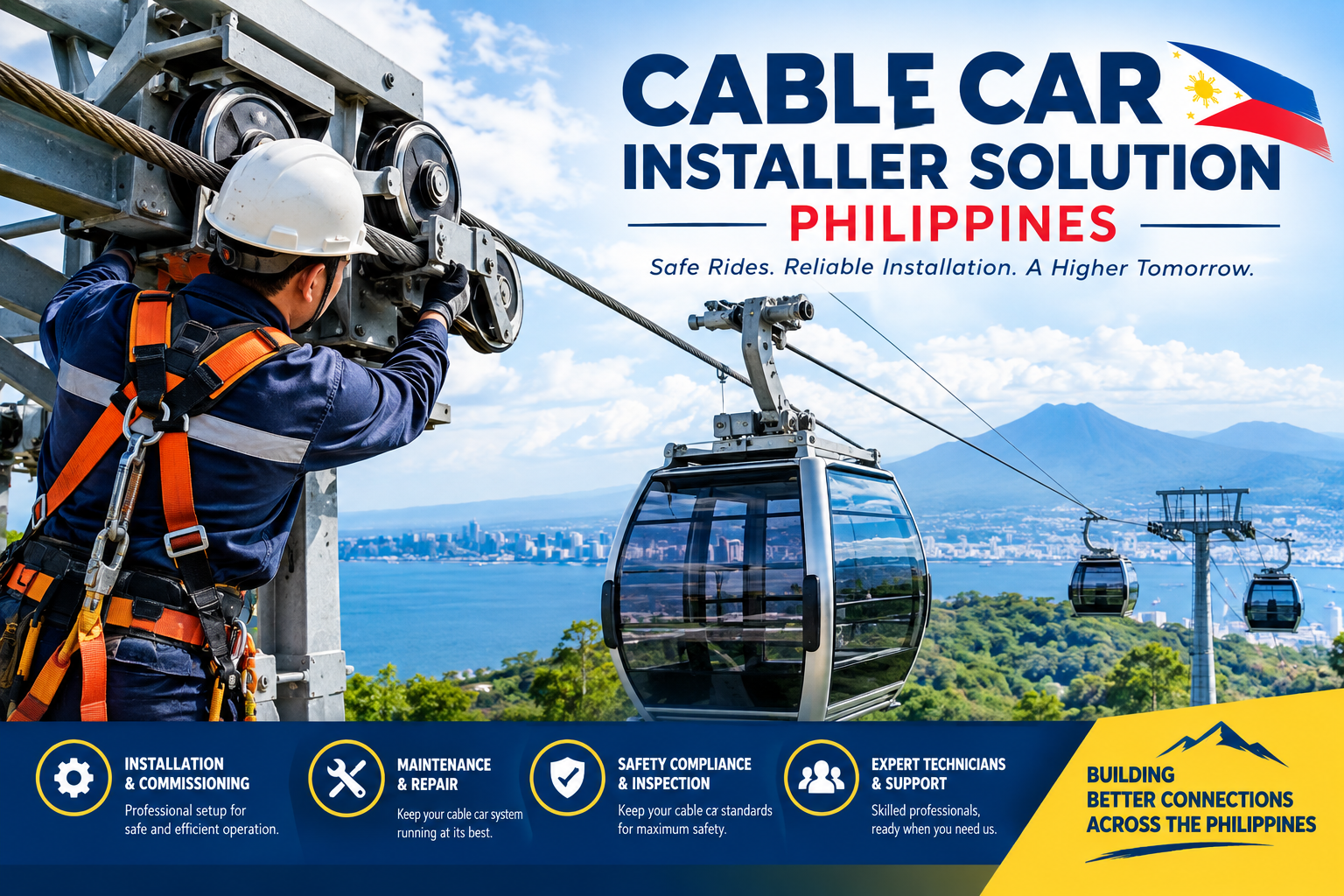

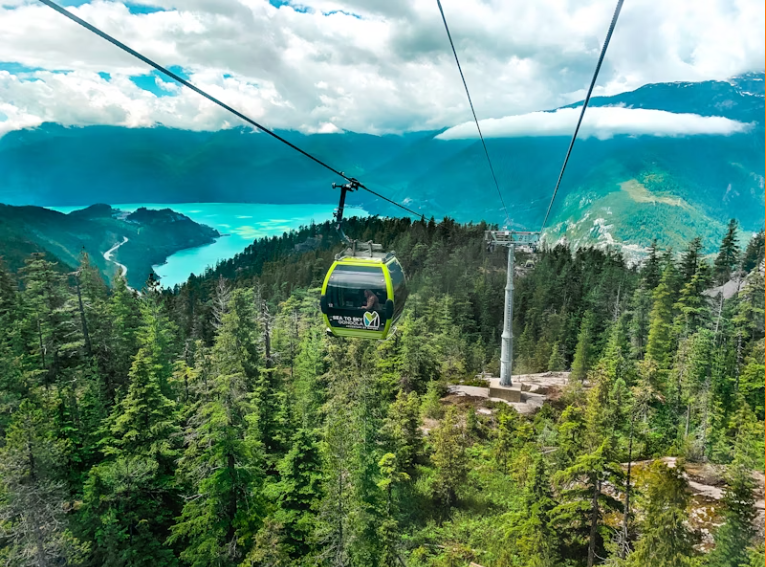
Ropeway access Philippines solutions can help move people and loads across steep slopes, elevated routes, remote areas, and other locations where conventional ground transportation may face practical challenges. Cable-based systems can serve tourism destinations, resorts, recreation sites, infrastructure projects, and specialized access requirements.
For a ropeway project to perform safely and reliably, equipment selection is only one part of the process. Route planning, cable engineering, structural support, load assessment, safety planning, installation, testing, and maintenance all require careful attention.
828 Cable System Inc. is a specialized service company founded as part of the Benedicto Steel Group to serve the rigging industry. Its services cover wire rope-related projects, fall protection, height access solutions, ropeway engineering, cable engineering, zipline engineering, and load engineering across the Philippines and Asia.
What Is Ropeway Access?
Ropeway access refers to cable-based transportation or access systems designed to move passengers, equipment, or loads along a suspended or cable-guided route. Such systems can provide a practical option where slopes, valleys, elevation changes, water crossings, or difficult terrain make conventional routes less suitable.
A ropeway system may include cables, towers, stations, carriers, drive equipment, braking systems, structural components, and other mechanical elements. Each component must work as part of a coordinated system.
The exact design depends on the project’s purpose. A tourist destination may need passenger cabins or chairlifts, while a specialized industrial project may require a different cable mobility arrangement.
For this reason, ropeway access Philippines projects should begin with a clear understanding of the site, intended use, passenger or load requirements, route characteristics, and operating conditions.
Why Ropeway Access Philippines Matters for Challenging Terrain
The Philippines has mountains, steep slopes, islands, valleys, coastal areas, and developing destinations where ground access can present complex planning requirements. A ropeway may offer another route for selected projects.
Mountainous and Elevated Areas
A cable-based system can cross elevation changes without requiring a continuous road or pathway along the entire route. This may make ropeway access Philippines relevant for mountain attractions, resorts, and selected transport projects.
Remote Locations
Some sites can be difficult to reach using conventional infrastructure. A carefully engineered ropeway may provide a connection between two points while limiting the need for a continuous ground corridor.
Tourism and Resort Projects
Ropeways can support scenic travel and passenger movement at destinations such as mountain resorts, adventure parks, and recreational facilities. Gondolas, chairlifts, and cable cars can also become part of the visitor experience when properly planned.
Selected Infrastructure Applications
Cable mobility can also support selected infrastructure and access projects. Suitability depends on site conditions, passenger demand, route length, terrain, safety requirements, regulations, and project objectives.
Types of Ropeway Systems for Philippine Projects
Different ropeway configurations serve different needs. A professional assessment can help determine which system matches the route, capacity, terrain, and operating requirements.
Detachable Chairlifts
Detachable chairlifts are commonly associated with recreational and mountain applications. Their passenger carriers can be designed for continuous movement along a cable route, making them suitable for selected resort and adventure settings.
The design process must consider passenger capacity, station layout, cable route, support structures, operating speed, loading areas, and evacuation provisions.
Detachable Gondolas
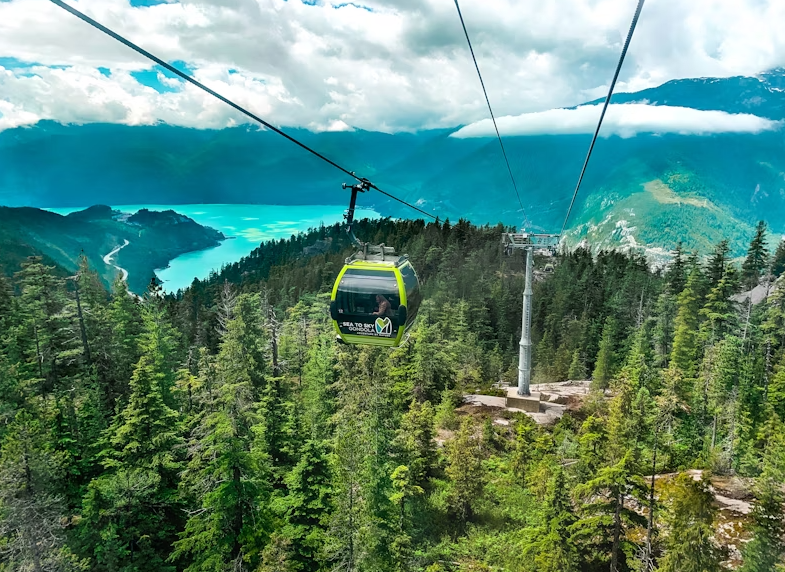
Gondola systems use enclosed cabins to transport passengers along a cable route. They may suit tourism, mountain transport, and selected urban mobility applications.
Gondola planning involves more than choosing cabins. Engineers must review route geometry, tower positions, cable behavior, station requirements, passenger flow, structural loads, and operational needs.
Funicular Systems
Funicular systems use cable traction to move vehicles along a guided route, commonly across steep gradients. They can be considered for locations where a rail-guided solution matches the terrain and project purpose.
Cable Cars
Cable cars use suspended passenger cabins and cable systems to move between stations. They can serve scenic, tourism, recreational, and selected transport applications.
A cable car project requires careful attention to route alignment, support structures, cable configuration, passenger capacity, station design, braking, emergency procedures, and operating conditions.
Automated People Movers
Automated people-mover concepts can support specialized passenger movement where the route and project requirements suit this type of system. Technical assessment is essential before selecting a configuration.
Key Engineering Considerations for Ropeway Access Philippines
A successful ropeway access Philippines project starts with engineering rather than equipment selection alone.
Site and Terrain Assessment
Site conditions affect almost every major design decision. Engineers may need to review:
- Terrain profile
- Elevation changes
- Route length
- Proposed stations
- Access roads
- Existing structures
- Ground conditions
- Environmental exposure
- Clearance requirements
- Maintenance access
A detailed site review can help identify practical route options and potential constraints.
Cable Route Planning
Cable alignment affects tower positions, station locations, clearances, cable behavior, passenger movement, and structural requirements. Route planning should account for the entire operating corridor rather than focusing only on the starting and ending points.
Structural Support
Towers, foundations, stations, and other support structures must be considered as part of the complete ropeway system. Their requirements depend on the selected system, route geometry, cable loads, environmental forces, and site conditions.
Load Requirements
Passenger weight, carrier weight, equipment weight, operational forces, wind effects, and other applicable loads can affect system design. Load engineering helps establish suitable requirements for components and supporting structures.
828 Cable System Inc. also provides load engineering solutions, giving project owners access to related technical capability alongside ropeway and cable engineering.
Safety Systems
Safety planning should cover passenger movement, operator access, emergency procedures, inspection, maintenance, braking, communication, and other relevant operational requirements.
A ropeway system should be planned around its complete lifecycle, from design and installation through inspection and continued operation.
How Ropeway Engineering Works
Ropeway projects benefit from a structured engineering process. While every project has different requirements, several stages commonly guide project development.
Step 1: Project Consultation
The first stage focuses on understanding the project’s goals. Key details may include the site, route, passenger or load capacity, operating hours, intended users, terrain, and project constraints.
Step 2: Site Assessment
Technical teams review the proposed route and physical conditions. The assessment can identify possible station locations, support positions, access requirements, and potential engineering challenges.
Step 3: System Selection
Different ropeway configurations can be evaluated against project needs. The objective is to select a system that matches the terrain, capacity, route, operational requirements, and intended application.
Step 4: Engineering and Design
The design stage brings together cable engineering, structural requirements, load calculations, mechanical components, stations, safety provisions, and operational considerations.
Step 5: Installation and Commissioning
Proper installation is essential for system performance. Equipment and components must be installed according to the approved technical requirements, followed by appropriate checks, testing, and commissioning.
Step 6: Inspection and Maintenance
Ropeway systems require ongoing inspection and maintenance. Regular technical checks can help identify wear, component issues, and conditions that may require corrective action.
Ropeway Access and the Role of Cable Engineering
Cable engineering forms a major part of ropeway system development. Cables must work with support structures, carriers, drive systems, braking equipment, and other components as one coordinated system.
Technical considerations may include:
- Wire rope selection
- Cable routing
- Cable tension
- Support spacing
- Cable loads
- Mechanical components
- Operational forces
- Inspection requirements
- Maintenance access
828 Cable System Inc. has expertise across rope, height, and load engineering, with cable engineering and ropeway engineering listed among its service capabilities. This combination can be valuable for projects that require several related engineering disciplines.
Ropeway Access Philippines vs. Conventional Ground Transportation
Ropeway access Philippines projects should be evaluated against other transportation options rather than treated as a universal replacement for roads or paths.
Potential Benefits
A ropeway may offer:
- Access across steep elevation changes
- A route over selected natural barriers
- Reduced need for a continuous ground corridor
- Passenger movement across difficult terrain
- Tourism and scenic transportation opportunities
- Potential access to remote locations
Project Considerations
Project owners should also assess:
- Capital cost
- Engineering complexity
- Site conditions
- Weather exposure
- Passenger capacity
- Maintenance requirements
- Emergency planning
- Regulatory requirements
- Long-term operating costs
A sound feasibility assessment helps determine whether ropeway access Philippines is appropriate for a particular site.
Where Ropeway Access Can Be Applied
Ropeway systems can serve a range of applications when supported by appropriate engineering and project planning.
Tourism
Tourism projects may consider ropeways for:
- Mountain attractions
- Scenic transportation
- Resorts
- Adventure destinations
- Visitor facilities
- Recreational parks
A well-designed system can provide practical passenger movement while also creating a distinctive visitor experience.
Infrastructure
Selected infrastructure projects may use cable mobility to connect locations separated by difficult terrain or elevation changes. Each application requires a site-specific assessment.
Recreation
Chairlifts, gondolas, and ziplines can support adventure and recreational facilities. Zipline engineering requires its own technical assessment covering cable routes, loads, anchors, braking, rider movement, and safety provisions.
Industrial and Specialized Access
Cable engineering can also support specialized mobility and access requirements. 828 Cable System Inc.’s wider services include height access, fall protection, building maintenance systems, and load engineering.
This broader capability can be useful for organizations managing projects where ropeway systems sit alongside other high-access or wire-rope requirements.
How 828 Cable System Inc. Supports Ropeway Projects
828 Cable System Inc. is a service company established as part of the Benedicto Steel Group to serve the rigging industry. The company handles wire rope-related projects and services across the Philippines and Asia.
Its expertise covers rope, height, and load engineering, with services such as:
- Ropeway engineering
- Cable engineering
- Zipline engineering
- Height access solutions
- Fall protection
- Load engineering
- Building maintenance systems
- Overhead crane solutions
- Gantry crane solutions
- Jib crane solutions
- Automatic hooks
This range of services allows project owners to coordinate related technical requirements with a company experienced with wire rope and engineered access systems.
For ropeway access Philippines projects, the combination of ropeway engineering, cable engineering, and load engineering can support a more coordinated approach to technical planning.
What to Consider Before Choosing a Ropeway Engineering Partner
Choosing an engineering partner should involve more than reviewing product catalogs or initial pricing.
Relevant Engineering Experience
Look for a provider with knowledge of ropeway systems, wire rope, cable engineering, loads, structural requirements, and specialized access.
Site Assessment Capability
A qualified provider should be able to evaluate the actual site and identify requirements that may affect system selection and design.
Safety-Focused Planning
Ask how safety, inspection, maintenance, emergency access, and operational requirements are addressed during project development.
Installation Capability
Engineering plans need to translate into proper field execution. Installation, testing, and commissioning should receive appropriate technical attention.
Lifecycle Support
A ropeway system remains a long-term asset. Inspection, maintenance, technical support, and component evaluation should be considered before project completion.
Multi-Disciplinary Capability
Projects can involve several connected requirements. A provider capable of ropeway, cable, height, fall protection, and load engineering may offer a more coordinated project approach.
Why Professional Ropeway Engineering Matters
A ropeway is a complex engineered system rather than a simple cable installation. Passenger movement, cable behavior, structural supports, mechanical equipment, loads, braking, stations, emergency procedures, and maintenance requirements all need coordinated planning.
A weak approach to any major component can affect overall system performance. Professional engineering helps project owners identify technical requirements before construction and equipment installation progress too far.
For ropeway access Philippines projects, professional guidance can also help align the proposed system with actual site conditions. Terrain, route geometry, weather exposure, intended capacity, access requirements, and operating conditions can vary substantially from one project to another.
Ropeway Access Philippines: Building Better Cable Mobility Solutions
Ropeway access Philippines can offer a practical mobility option for selected projects where terrain, elevation, distance, or site constraints make conventional access difficult.
The right system depends on the application. A gondola may suit one destination, while a chairlift, funicular, cable car, or another cable-based configuration may suit a different project.
Engineering should guide that decision.
Project owners should review the route, terrain, passenger or load requirements, structural support, cable system, safety provisions, installation process, inspection requirements, and long-term maintenance needs before moving forward.
828 Cable System Inc. brings together ropeway engineering, cable engineering, zipline engineering, height access, fall protection, and load engineering services. This makes the company a relevant technical partner for organizations exploring ropeway access Philippines solutions and other specialized wire-rope projects.
Takeaway
Ropeway access Philippines solutions can provide an alternative approach to passenger and load mobility across selected challenging routes. Their success depends on careful engineering, suitable system selection, accurate route planning, load assessment, structural coordination, safety planning, proper installation, and ongoing maintenance.
For organizations considering a ropeway, cable car, funicular, chairlift, gondola, zipline, or specialized cable mobility project, working with an experienced engineering company can help turn project requirements into a practical technical solution.
828 Cable System Inc. has expertise across rope, height, and load engineering, with services covering ropeway engineering, cable engineering, zipline engineering, height access, fall protection, and other wire-rope-related requirements across the Philippines and Asia.
For your next ropeway access Philippines project, consider starting with a technical consultation and site assessment so the proposed system can match the terrain, intended use, capacity, safety requirements, and long-term operating needs.
Frequently Asked Questions About Ropeway Access Philippines
What does ropeway access mean?
Ropeway access refers to cable-based systems that transport people, equipment, or loads between locations. Depending on project requirements, systems may include gondolas, chairlifts, cable cars, funiculars, or other specialized configurations.
What types of ropeway systems can be used across Philippine projects?
Potential options include detachable chairlifts, detachable gondolas, funiculars, cable cars, and automated people-mover concepts. The appropriate choice depends on terrain, route, capacity, passenger requirements, operating conditions, and project goals.
Is ropeway access suitable for Philippine terrain?
It can be suitable for selected locations, particularly where elevation changes, steep slopes, remote areas, or natural barriers create access challenges. A site-specific engineering assessment is necessary before selecting a system.
What does ropeway engineering cover?
Ropeway engineering can cover route planning, cable systems, support structures, loads, stations, mechanical components, safety provisions, installation requirements, testing, commissioning, inspection, and maintenance planning.
Does 828 Cable System Inc. provide ropeway engineering services?
Yes. 828 Cable System Inc. provides ropeway engineering alongside cable engineering, zipline engineering, height access, fall protection, and load engineering services.
Can ropeway systems support tourism projects?
Yes. Ropeways can support suitable mountain resorts, scenic attractions, adventure parks, recreational destinations, and other tourism projects. Technical feasibility depends on the specific site and intended operation.
What should a project owner prepare before requesting a ropeway assessment?
Useful project information may include the location, proposed route, site plans, elevation data, passenger capacity, load requirements, operating schedule, project purpose, and available information about existing infrastructure.