






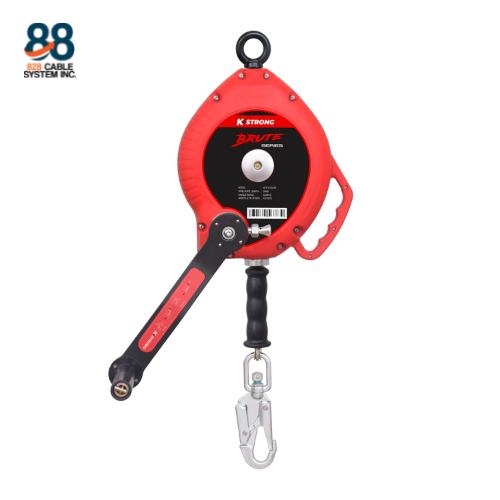
Working at height requires more than confidence and experience because even a small mistake can result in a serious fall. For workers operating on construction sites, industrial facilities, rooftops, elevated platforms, and other high-risk areas, reliable fall protection equipment is an essential part of workplace safety. A self-retracting lanyard Philippines solution can provide controlled movement while helping reduce unnecessary slack in a fall-arrest connection. Unlike conventional fixed-length lanyards, self-retracting lanyards automatically adjust their lifeline length as the worker moves. This design allows workers to perform tasks with greater mobility while remaining connected to an appropriate anchorage point. However, choosing the right equipment requires an understanding of how self-retracting lifelines work, where they should be used, and what specifications need to be considered. Understanding these factors can help employers, safety officers, contractors, and workers make more informed decisions about work-at-height protection.
Understanding a Self-Retracting Lanyard
A self-retracting lanyard, often called an SRL or self-retracting lifeline, is a fall protection device designed to connect a worker to a suitable anchorage system. The device contains a lifeline that extends and retracts automatically as the worker moves away from or toward the anchor point. During normal movement, the lifeline remains under controlled tension rather than hanging loosely around the work area. If a sudden fall occurs, an internal braking mechanism is designed to engage and stop the lifeline from continuing to extend. This controlled stopping action is one of the main characteristics that separates an SRL from many traditional fixed-length lanyards. A typical system may include the retractable housing, lifeline, connector, energy-absorbing components, and an attachment mechanism for connection to an appropriate anchor. Because different SRLs are designed for different applications, workers should always check the manufacturer’s specifications before using a particular model.
How Self-Retracting Lanyards Work
The operation of an SRL is based on a retractable lifeline mechanism that responds to the worker’s movement. When the worker moves away from the anchorage point, the lifeline extends from its housing. When the worker moves closer to the anchorage point, the lifeline retracts back into the housing. This movement keeps the connection relatively controlled while allowing the worker to access different areas within the approved working zone. A sudden acceleration caused by a fall can activate the device’s internal locking mechanism. Once activated, the braking system helps arrest the worker’s movement within the parameters established by the equipment manufacturer. The SRL must work together with a compatible full-body harness and suitable anchorage rather than being treated as an independent safety solution. Proper selection, installation, inspection, and use are therefore essential for the equipment to perform as intended.
Key Advantages of Using an SRL for Work at Height
One major advantage of an SRL is the freedom of movement it can provide during elevated work. Workers can move within the permitted work area without repeatedly adjusting a fixed-length lanyard. Automatic retraction also helps minimize excess lifeline slack during normal movement. Less slack can be beneficial in applications where controlling the worker’s connection distance is important. SRLs can also be convenient for workers who frequently move around elevated platforms, structural areas, maintenance locations, or other work zones. Depending on the model and application, an SRL can provide a practical alternative to conventional shock-absorbing lanyards. Despite these advantages, an SRL should never be viewed as a replacement for hazard assessment, proper anchorage, worker training, or a complete fall protection plan.
Common Applications for Self-Retracting Lanyards in the Philippines
A self-retracting lanyard Philippines solution may be used in a variety of industries where workers face fall hazards. Construction crews can use appropriate fall-arrest equipment when performing elevated structural, installation, or maintenance activities. Building maintenance personnel may also require fall protection when accessing rooftops, elevated mechanical areas, or other locations where conventional access methods do not eliminate fall hazards. Industrial facilities can incorporate SRLs into properly designed systems for maintenance activities around elevated platforms and equipment. Telecommunications and utility personnel may also encounter work environments where controlled movement and reliable connections are important. Warehouses and commercial facilities can have elevated work areas that require carefully selected fall protection equipment. In every application, the specific SRL must be appropriate for the environment, anchorage configuration, worker requirements, and manufacturer’s approved use.
Choosing the Right Self-Retracting Lanyard Philippines Workers Can Rely On
Selecting the right SRL starts with identifying the actual hazards and conditions workers will encounter. Buyers should consider factors such as the required lifeline length, worker weight capacity, anchorage position, work area, and intended connection configuration. An SRL designed for overhead anchorage may have different requirements from equipment designed for other approved configurations. The buyer should also verify that the SRL is compatible with the full-body harness and connectors being used. Environmental conditions are another important consideration because dust, moisture, chemicals, heat, sharp edges, and impact hazards may affect equipment suitability. Manufacturer instructions should always be reviewed before selecting or deploying the device. A reputable safety equipment supplier can also help organizations identify appropriate specifications rather than simply choosing a product based on price.
Important Features to Evaluate Before Buying
The lifeline material is one of the features buyers should examine when selecting an SRL. Different devices may use webbing, synthetic rope, or cable depending on their intended application and design. Lifeline length is equally important because the device must provide enough working range without creating an unsuitable configuration. The connector should also match the intended anchorage and harness attachment point while complying with the manufacturer’s instructions. Weight capacity should be checked carefully, including the worker and applicable equipment loads specified by the manufacturer. Housing construction can also matter when equipment will be exposed to demanding conditions such as construction dust, moisture, impacts, or frequent handling. Buyers should review the complete technical specifications instead of assuming that every retractable lanyard provides the same level of performance or is appropriate for every work environment.
Safety Standards and Compliance Considerations
Fall protection equipment should be selected with applicable workplace safety requirements in mind. Employers should verify the relevant Philippine occupational safety requirements for the specific industry and work activity. Product markings, certification information, technical documentation, and manufacturer instructions should be reviewed before equipment is placed into service. Buyers should also confirm that the equipment is genuine and traceable to an established manufacturer or authorized supplier. Compliance documentation can help organizations evaluate whether a product is suitable for its intended application. However, having a certification or compliance marking does not automatically mean that a particular SRL is appropriate for every workplace configuration. Employers should combine equipment requirements with hazard assessments, competent supervision, training, inspection procedures, and an appropriate fall protection program.
Proper Inspection and Maintenance of an SRL
Regular inspection is an important part of maintaining fall protection equipment. Workers should conduct the required pre-use inspection before relying on an SRL for elevated work. The inspection may include checking the lifeline, housing, connectors, labels, stitching, hardware, and visible signs of damage according to the manufacturer’s instructions. Workers should also pay attention to unusual operation, excessive wear, corrosion, cuts, fraying, deformation, or other conditions that may indicate a problem. Equipment that does not meet the manufacturer’s inspection criteria should be removed from service until it has been properly evaluated. An SRL that has arrested a fall should also be handled according to the manufacturer’s procedures and should not automatically be returned to service. Proper storage, cleaning, servicing, and periodic inspection should follow the manufacturer’s requirements to help preserve equipment condition.
Common Mistakes to Avoid When Using a Self-Retracting Lanyard
One common mistake is selecting an SRL without considering the actual work environment. Another problem occurs when workers attach the device to an unsuitable or unapproved anchor point. Using incompatible harnesses, connectors, or other components can also create an unsafe configuration. Workers should never assume that an SRL can be used in any direction or position simply because the device retracts automatically. Ignoring the manufacturer’s instructions can result in equipment being used outside its approved application. Failing to inspect equipment before use can also allow damaged components to remain in service. Workers and employers should also consider fall clearance, swing-fall hazards, anchorage location, rescue procedures, and other site-specific risks before beginning elevated work.
Training Workers to Use Self-Retracting Lanyards Correctly
Proper equipment becomes far more effective when workers understand how to use it correctly. Training should explain the purpose of the SRL and how it works as part of a broader fall protection system. Workers should learn how to inspect the device and identify conditions that require the equipment to be removed from service. They should also receive instruction on properly fitting and connecting a full-body harness. Training should cover acceptable anchorage arrangements and the importance of following manufacturer-specific requirements. Workers should understand hazards such as swing falls, insufficient clearance, improper connections, and unsuitable anchor locations. Refresher training can also be useful when work conditions, equipment, procedures, or worker responsibilities change.
Self-Retracting Lanyard vs. Traditional Shock-Absorbing Lanyard
Self-retracting lanyards and traditional shock-absorbing lanyards can both be components of a personal fall-arrest system, but they operate differently. A traditional lanyard generally has a fixed length and may include an energy absorber designed to reduce forces during a fall. An SRL automatically changes the length of its lifeline as the worker moves. This retractable design can provide greater mobility in certain work environments. A fixed-length lanyard may be suitable for applications where the worker’s movement is relatively limited and a specific connection length is appropriate. The selection should depend on the work activity, anchorage arrangement, clearance requirements, and equipment specifications. Employers should choose the system that best matches the identified hazards rather than assuming that one type of lanyard is universally better.
What to Look for When Sourcing an SRL in the Philippines
Organizations searching for a self-retracting lanyard Philippines supplier should look beyond product availability and advertised price. A reputable supplier should be able to provide clear product specifications and manufacturer documentation. Buyers should check whether the equipment has appropriate identification, markings, inspection information, and documentation. It is also useful to determine whether the supplier can provide technical assistance when organizations need help understanding product limitations or specifications. Supplier support can be particularly valuable when a company is purchasing multiple fall protection components that need to work together. Organizations should avoid purchasing equipment from sources that cannot establish product authenticity or provide reliable technical information. Choosing a dependable supplier can make equipment selection, training, inspection, and replacement planning easier for employers responsible for worker safety.
Building a Complete Fall-Protection System
An SRL should be viewed as one component of a complete fall protection arrangement rather than a standalone answer to every elevated-work hazard. The system may include a full-body harness, self-retracting lifeline, suitable connectors, engineered or approved anchorage, and other components appropriate to the application. The anchorage location can have a significant effect on fall distance and swing-fall exposure. Workers must also have sufficient clearance beneath or around the work area based on the equipment and application requirements. Rescue planning is another important consideration because a worker who experiences a fall may require prompt assistance. Employers should establish procedures for responding to falls and other emergencies before work begins. A well-planned system combines appropriate equipment with hazard assessment, worker training, supervision, inspection, and safe work procedures.
FAQ About Self-Retracting Lanyards in the Philippines
What is a self-retracting lanyard?
A self-retracting lanyard is a fall protection device that uses a lifeline capable of extending and retracting as a worker moves. The device is typically connected between an approved anchorage point and a compatible full-body harness. Its retractable design helps control the amount of lifeline between the worker and the anchorage during normal movement. Many SRLs incorporate an internal braking mechanism designed to engage during a sudden fall. The equipment is intended to form part of a properly selected personal fall-arrest system. Different SRLs have different specifications, applications, and limitations. Workers should therefore follow the manufacturer’s instructions and applicable workplace safety requirements whenever using the equipment.
How does a self-retracting lanyard differ from a regular lanyard?
A conventional lanyard typically has a predetermined length, while an SRL automatically adjusts its lifeline length as the worker moves. This allows an SRL to provide controlled mobility within its approved operating range. A traditional lanyard may require the worker to reposition or manage the connection when moving between work areas. SRLs are designed to keep the lifeline under controlled tension during normal movement. Both types of equipment have specific applications and should be selected based on the work environment. Neither device should be used without appropriate anchorage, harness compatibility, inspection, and training. The correct choice depends on the hazards and requirements of the specific task.
Are self-retracting lanyards suitable for all work-at-height applications?
No, an SRL is not automatically appropriate for every work-at-height situation. Different models have specific requirements relating to anchorage, lifeline orientation, working range, capacity, and environmental conditions. Some equipment may be designed for particular configurations that cannot be substituted with another arrangement. Workers should consider potential fall clearance and swing-fall hazards before using an SRL. The manufacturer’s instructions should be consulted to determine the approved application. A competent safety professional may also be needed when the work environment presents complex fall hazards. Selecting equipment based on the specific risk assessment is essential for creating an appropriate fall protection system.
How often should an SRL be inspected?
Workers should perform the required pre-use inspection before using the equipment. Additional inspections and servicing should be performed according to the manufacturer’s instructions and applicable workplace procedures. The exact inspection frequency can vary depending on the equipment, usage, workplace conditions, and manufacturer requirements. Inspections should look for visible damage, wear, corrosion, cuts, fraying, damaged hardware, missing labels, and other problems identified by the manufacturer. Equipment that fails inspection criteria should not be used until it has been properly evaluated. Any equipment involved in a fall should also be managed according to the manufacturer’s procedures. Maintaining accurate inspection records can help organizations monitor equipment condition and replacement needs.
Can an SRL be used with any safety harness?
An SRL should only be used with a compatible full-body harness and connection configuration approved for the intended application. The harness attachment point must be appropriate for the fall protection system being used. Workers should check the manufacturer’s instructions for compatibility between components. Mixing products from different manufacturers without verifying compatibility can create unnecessary safety risks. The equipment’s capacity and connection requirements should also be considered before use. Proper harness fitting is important because an improperly adjusted harness may not provide the intended protection. Employers should ensure that workers receive practical training on connecting and using the complete system.
What should I check before buying a self-retracting lanyard in the Philippines?
Buyers should first identify the type of work and fall hazards the equipment will address. Important considerations can include lifeline length, capacity, connector type, anchorage configuration, lifeline material, and environmental conditions. Product markings and manufacturer documentation should also be reviewed. Buyers should verify that the equipment meets the applicable requirements for the intended workplace and application. It is also important to consider whether the supplier can provide technical support, inspection information, and replacement guidance. Price can be a factor, but it should not be the only consideration when purchasing fall protection equipment. A properly selected product should match the actual work environment and the rest of the fall protection system.
What should happen to an SRL after a fall?
An SRL involved in a fall should be handled according to the manufacturer’s instructions and the organization’s established safety procedures. Workers should not simply continue using the device after it has arrested a fall. The equipment may require removal from service and evaluation by an authorized or competent party, depending on the manufacturer’s requirements. Inspection should determine whether the device can be returned to service or requires replacement or other action. Employers should also document the incident according to their workplace procedures. The affected fall protection system should be reviewed to identify whether changes are needed before similar work resumes. A proper response helps prevent damaged or potentially compromised equipment from being placed back into service.
Takeaway
Choosing the right self-retracting lanyard Philippines solution requires more than selecting a retractable device from a catalog. Employers need to consider the work environment, fall hazards, anchorage arrangement, equipment capacity, lifeline specifications, and compatibility with other fall protection components. Workers should receive proper training before using an SRL and should understand how to inspect the equipment before each use. Regular maintenance and manufacturer-directed servicing are also important for keeping equipment in appropriate working condition. Fall clearance, swing-fall exposure, and rescue planning should be addressed before elevated work begins. Organizations should also source equipment from reliable suppliers that can provide authentic products and appropriate technical documentation. With careful selection, proper training, routine inspection, and a complete fall protection approach, an SRL can be a valuable component of a safer work-at-height system in the Philippines.