





Working at elevated locations is a regular requirement across construction, maintenance, industrial, commercial, and facility management operations in the Philippines. Whether workers are servicing a rooftop air-conditioning unit, inspecting a building façade, installing equipment, or performing structural repairs, reliable access is essential. Choosing the right height access Philippines solution can make elevated tasks more organized, efficient, and safer for workers. Height access involves more than simply providing a ladder or platform to reach a higher location. It requires careful consideration of the work environment, task requirements, access height, equipment, worker competency, and fall protection needs. A properly planned system can also make recurring maintenance work easier to manage. For businesses handling elevated work, understanding available access solutions is an important part of responsible workplace planning.
Understanding Height Access in the Philippines
Height access refers to the equipment, systems, and methods used to help workers safely reach elevated work areas. These solutions can range from basic ladders and scaffolding to specialized rope access systems, mobile elevated work platforms, fixed ladders, and permanent access structures. The appropriate option depends on factors such as the height involved, type of work, duration of the task, number of workers, and physical characteristics of the site. In the Philippines, height access is particularly relevant to construction projects, commercial buildings, warehouses, industrial facilities, telecommunications structures, and high-rise properties. Many elevated tasks also take place outdoors, where weather conditions can affect surfaces and equipment. Businesses therefore need to evaluate access requirements before workers begin elevated activities. A thoughtful height access Philippines strategy allows organizations to select equipment based on actual work conditions rather than relying on improvised access methods.
Why Proper Height Access Matters for Elevated Work
Working at height can expose personnel to hazards that may not be present during ground-level activities. Unstable ladders, poorly assembled platforms, slippery surfaces, inadequate access points, and unsuitable equipment can create unnecessary risks. Workers may also need to carry tools or materials while climbing, which can affect balance and movement. Proper height access provides a more controlled way to reach elevated areas and can help workers perform their assigned tasks with greater stability. It can also reduce unnecessary climbing and movement when access points are designed around the workflow. For companies, appropriate access planning can contribute to better organization and more efficient maintenance operations. Height access should therefore be treated as an important part of workplace safety planning rather than an afterthought.
Common Height Access Solutions Used in the Philippines
Several types of access equipment are available for elevated work, and each has different strengths and applications. Ladders are commonly used when workers need relatively simple access for appropriate short-duration tasks, provided that the equipment and conditions are suitable. Scaffolding provides a larger working platform and can be useful for construction, painting, installation, repair, and maintenance activities that require workers to remain elevated for longer periods. Mobile elevated work platforms, including scissor lifts and boom lifts, can provide controlled access to elevated locations where suitable operating conditions exist. Rope access systems can provide specialized access to difficult-to-reach locations, particularly for trained personnel performing inspection, maintenance, cleaning, and repair activities. Fixed access systems, such as permanent ladders, walkways, platforms, and related structures, can be useful when specific elevated areas require regular access. Selecting among these options requires an assessment of the actual task instead of assuming that one type of equipment will work for every project.
Ladders and Their Role in Height Access
Ladders remain one of the most familiar forms of access equipment for elevated work. They can be useful for appropriate tasks where workers need to move between different levels or reach an elevated location for a limited activity. However, a ladder should be selected according to its intended application, dimensions, condition, and operating environment. The surface where the ladder is positioned should provide appropriate stability, and workers should avoid using damaged or unsuitable ladders. The surrounding area should also be checked for obstacles, electrical hazards, slippery surfaces, and other conditions that could affect safe use. Workers should follow appropriate climbing practices and maintain proper contact with the ladder whenever the task allows. When work requires extended periods at height, frequent movement, heavy tools, or a larger working area, another access solution may be more appropriate.
Scaffolding for Construction and Maintenance
Scaffolding provides an elevated platform that can allow workers to perform tasks while having a more substantial working area than a conventional ladder. It is commonly associated with construction, building renovation, painting, façade work, mechanical installation, and maintenance operations. A suitable scaffold should be properly designed, assembled, and maintained for its intended use. Components such as platforms, access points, guardrails, and supporting structures need to be appropriate for the work environment. Workers should not modify scaffolding casually or use components that are damaged or unsuitable. Site conditions should also be considered because uneven ground, surrounding traffic, weather, and nearby structures can affect scaffold operations. Properly planned scaffolding can support productivity while giving workers a more organized area in which to perform elevated tasks.
Mobile Elevated Work Platforms
Mobile elevated work platforms can provide an efficient option when workers need controlled access to elevated locations. Scissor lifts are generally designed to provide vertical elevation, while boom-type equipment can offer greater horizontal reach depending on the model and configuration. These machines can be useful for construction, building maintenance, lighting installation, mechanical work, and other elevated activities. Their use requires attention to operating conditions, ground stability, equipment capacity, surrounding obstacles, and overhead hazards. Operators should have the appropriate knowledge and training required for the equipment they are using. Weather conditions can also affect elevated platform operations, especially during outdoor work. Before using a mobile elevated work platform, businesses should verify that the equipment is suitable for the specific site and task.
Rope Access Systems for Difficult Locations
Rope access is a specialized method that allows trained workers to reach elevated or difficult-to-access locations using a controlled rope-based system. It can be useful for façade inspection, high-rise maintenance, structural inspection, specialized cleaning, and certain repair activities. A typical system may involve ropes, harnesses, connectors, anchors, and other compatible components designed for the particular work method. Because rope access requires specialized techniques, workers should have appropriate training and competency for the activities they perform. Planning should also address access, positioning, equipment inspection, communication, and emergency response. Rescue planning is especially important because workers operating at height may need assistance if they become unable to move independently. For specialized projects, professional assessment can help determine whether rope access is an appropriate option.
Fixed Height Access Systems for Buildings
Permanent access systems can be valuable when workers need to reach the same elevated areas repeatedly. Examples include fixed ladders, roof walkways, access platforms, stair systems, and other structures designed around a building or facility. These systems can be incorporated into new construction or considered during facility upgrades. A permanent solution can reduce the need to repeatedly arrange temporary access equipment for routine inspections and maintenance. It can also help facility teams establish more predictable routes to equipment and elevated work areas. The design should account for the structure, intended users, access frequency, surrounding hazards, and applicable safety requirements. For facilities with rooftop equipment, mechanical systems, solar installations, or other regularly serviced assets, permanent access planning can be especially useful.
Height Access for Philippine Construction Projects
Construction projects often involve changing work environments, which means access requirements can change as a project progresses. Workers may need different solutions during structural construction, exterior finishing, equipment installation, roofing, electrical work, and final maintenance activities. A ladder that is suitable during one stage may not provide an appropriate solution during another stage. Project managers should therefore identify access requirements as part of the broader construction planning process. Site layout, available space, ground conditions, material movement, surrounding structures, and work schedules can all influence equipment selection. Coordinating access equipment with other site activities can also help prevent congestion and unnecessary hazards. A well-planned height access Philippines approach can support safer and more efficient operations throughout different stages of construction.
Height Access for Roof and Building Maintenance
Roof and building maintenance frequently requires personnel to access locations that are difficult to reach from ground level. Common activities include roof inspections, gutter maintenance, HVAC servicing, solar panel maintenance, exterior lighting repairs, signage work, and façade inspections. Repeatedly setting up temporary equipment can become inefficient when the same elevated areas need to be visited regularly. Permanent walkways, access ladders, platforms, and appropriate fall protection systems may provide a more practical long-term approach in certain facilities. Maintenance planners should consider how frequently workers need access and what equipment or tools they will bring to the work area. Roof surfaces can also present additional challenges because of slopes, fragile materials, wet conditions, and exposed edges. Planning access around the actual maintenance workflow can make routine building care more organized and manageable.
Choosing the Right Height Access Solution
Selecting height access equipment begins with understanding exactly what workers need to accomplish. The first consideration is the required working height, including whether personnel simply need to reach a location or must remain there while completing a task. The type of work is equally important because inspection, cleaning, installation, construction, and repair activities can require different equipment. Work duration should also be evaluated because a solution suitable for a brief task may be less appropriate for extended operations. The number of workers, tools, materials, and equipment involved can affect the required platform size and access arrangement. Site conditions, including ground surfaces, roof configuration, weather exposure, available space, and nearby obstacles, should also influence the decision. By evaluating these factors together, businesses can select a height access solution that better matches the demands of the work.
Height Access and Fall Protection
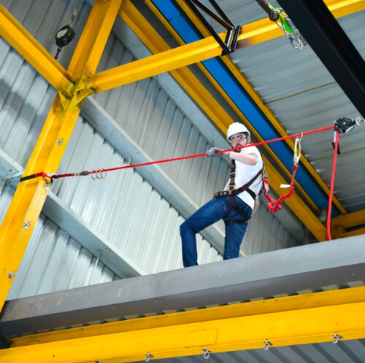
Height access and fall protection are closely related but perform different functions. Access equipment helps workers reach or move through an elevated work area, while fall protection systems are intended to reduce the risk associated with falling from an elevated position. Depending on the work environment, workers may require both access equipment and suitable fall protection. Common fall protection components can include full-body harnesses, lifelines, anchor points, energy-absorbing lanyards, self-retracting lifelines, and guardrail systems. Equipment should be compatible and appropriate for the intended application. Workers should also understand how to inspect and use their equipment properly before beginning work. Combining suitable access with appropriate fall protection can create a more comprehensive approach to elevated work safety.
Important Safety Practices for Height Access Work
A proper risk assessment should be performed before workers begin elevated activities. The assessment should identify potential hazards associated with access routes, work surfaces, equipment, surrounding structures, weather, and the specific task. Equipment should be inspected before use, and defective or damaged components should be removed from service. Workers should keep access routes clear and avoid carrying loads that interfere with safe climbing or movement. Outdoor work should be reconsidered when heavy rain, strong winds, lightning, or other hazardous weather conditions affect the site. Emergency procedures should also be established so workers and supervisors understand what to do if an incident occurs. Consistent safety practices help make height access operations more controlled and reduce dependence on improvised solutions.
Training and Competency for Height Access
Equipment is only effective when workers understand how to use it properly. Training should be appropriate to the type of equipment, work activity, and level of risk involved. Workers may need instruction in equipment inspection, setup, climbing techniques, fall protection, hazard recognition, and emergency procedures. Specialized activities such as rope access require specialized knowledge and practical competency. Supervisors should also understand the equipment and procedures being used so they can monitor operations effectively. Refresher training can be useful when equipment, procedures, work environments, or responsibilities change. Businesses that invest in worker competency can help establish a stronger safety culture around elevated work.
Challenges Affecting Height Access in the Philippines
The Philippine environment presents several factors that should be considered when planning elevated work. Tropical weather can bring heavy rainfall, high humidity, strong winds, and sudden changes in conditions. Wet surfaces can become slippery, while strong winds can affect certain types of elevated equipment and outdoor operations. Typhoons and severe weather may create additional hazards for workers operating on roofs, towers, scaffolding, and exposed platforms. Coastal and humid environments can also contribute to corrosion when equipment is not properly inspected, maintained, and stored. High-rise buildings and densely developed areas may present additional challenges involving limited space, traffic, surrounding structures, and access logistics. Taking local environmental conditions into account can help businesses select and operate height access equipment more responsibly.
Planning a Height Access System for a Building
A building’s height access requirements should ideally be considered before elevated maintenance becomes necessary. Facility managers can begin by identifying every area that workers may need to access above ground level. The frequency and type of work at each location should then be documented. The required access height, available space, structural conditions, environmental exposure, and potential hazards should also be evaluated. From there, facility teams can determine whether temporary equipment or permanent access infrastructure is more appropriate. Fall protection requirements and emergency procedures should be incorporated into the overall planning process. Regular reviews are also useful because building layouts, equipment installations, and maintenance requirements can change over time.
Benefits of Investing in Proper Height Access Solutions
Proper height access can provide practical benefits beyond worker safety. A suitable access system can make elevated areas easier to reach, which can support more efficient inspection and maintenance activities. Permanent systems can also reduce repeated setup requirements for facilities where the same areas are accessed frequently. Organized access routes can help workers move between designated work areas with fewer unnecessary obstacles. Appropriate equipment can also make it easier for supervisors to establish consistent work procedures. For businesses, better access planning can support long-term facility management and maintenance scheduling. When access requirements are considered early, organizations can make more informed decisions about equipment, infrastructure, training, and ongoing maintenance.
What to Look for in a Height Access Provider in the Philippines
Choosing a reliable provider is an important part of developing an effective height access strategy. Businesses should look for providers with experience in the types of elevated environments relevant to their operations. Technical knowledge is valuable because access requirements can vary significantly between rooftops, construction sites, industrial facilities, towers, and commercial buildings. Providers should be able to assess site conditions and recommend equipment based on actual requirements. Product documentation, manufacturer information, inspection support, installation capabilities, and after-sales assistance can also be important considerations. Businesses should avoid selecting equipment based solely on price when the application involves elevated work and worker safety. A knowledgeable height access Philippines provider can help organizations make better-informed decisions about equipment and system requirements.
Frequently Asked Questions About Height Access Philippines
What does height access mean?
Height access refers to the methods, equipment, and systems used to help workers safely reach elevated locations. These can include ladders, scaffolding, elevated work platforms, rope access systems, fixed ladders, platforms, and walkways. The appropriate solution depends on the task and environment. Access planning should also consider how workers will perform their duties after reaching the elevated area. Some tasks require only access, while others require a stable working platform and fall protection. Understanding this distinction can help businesses choose equipment more effectively. Professional assessment can be useful when access requirements are complex.
What are common height access solutions in the Philippines?
Common solutions include ladders, scaffolding, mobile elevated work platforms, rope access systems, fixed ladders, access platforms, and permanent walkways. Each solution serves different applications and working conditions. Ladders can be useful for appropriate short-duration tasks, while scaffolding may provide a larger working platform. Mobile elevated work platforms can provide powered elevation for suitable sites and tasks. Rope access can help trained personnel reach challenging locations. Permanent access systems may be useful for buildings that require recurring access to elevated areas.
How do I choose the right height access equipment?
Start by identifying the required height, work activity, duration, number of workers, tools, and environmental conditions. Consider whether workers need to remain at the elevated location for an extended period. Review the available space and whether equipment can be positioned safely. Determine whether additional fall protection measures are required. The equipment should also be appropriate for the structure and surrounding environment. Consulting a qualified provider can help when the project involves complex access requirements.
Is height access equipment the same as fall protection equipment?
No, the two serve different purposes. Height access equipment helps workers reach elevated locations or provides a working platform. Fall protection equipment is designed to help prevent or arrest falls depending on the system used. A project may require both access equipment and fall protection. The correct combination depends on the work environment and task. Equipment should be compatible and used according to applicable requirements and manufacturer instructions. Workers should also receive appropriate training before using the equipment.
Is rope access suitable for high-rise buildings?
Rope access can be suitable for certain high-rise inspection, maintenance, cleaning, and repair activities. However, it requires appropriate equipment, planning, training, competency, and emergency procedures. The building structure and work requirements should be assessed before selecting this method. Rescue planning is particularly important for rope-based operations. Not every high-rise task is suitable for rope access, so alternative access systems may sometimes be more appropriate. A competent professional assessment can help determine the most suitable approach.
How often should height access equipment be inspected?
Inspection requirements depend on the equipment type, manufacturer instructions, workplace procedures, usage, and environmental conditions. Workers should perform appropriate pre-use checks before using equipment. More detailed periodic inspections may also be necessary for certain equipment and applications. Equipment exposed to harsh outdoor conditions may require additional attention. Any component showing damage, excessive wear, corrosion, or other defects should be addressed appropriately. Inspection records can also help businesses maintain organized equipment management practices.
Can height access systems be installed permanently?
Yes, certain access solutions can be designed as permanent infrastructure. Examples include fixed ladders, access platforms, walkways, stairs, and other building-integrated systems. Permanent access can be useful when workers regularly need to reach the same elevated areas. The design should account for structural conditions, intended use, access frequency, and applicable safety requirements. A properly planned system can make routine maintenance more predictable. Professional design and installation are particularly important for permanent systems because they become part of the facility’s long-term access infrastructure.
Takeaway: Building a Better Height Access Strategy
Effective height access begins with understanding the work rather than simply choosing the tallest available equipment. Businesses should evaluate work height, task requirements, duration, site conditions, worker numbers, tools, weather, and fall protection needs before selecting a solution. Options such as ladders, scaffolding, mobile elevated work platforms, rope access, and permanent access systems each have different applications. The Philippine environment also makes weather awareness, equipment inspection, and proper maintenance especially important for outdoor elevated work. Worker training and competency should remain central to any height access program. For complex projects, working with an experienced provider can help organizations identify equipment and access arrangements suited to their specific requirements. With proper planning, the right height access Philippines solution can support safer, more organized, and more efficient work at elevated locations.