



Work performed above ground level requires more than basic protective gear. Roof repairs, facade cleaning, tower servicing, structural inspection, plant maintenance, and construction work all expose workers to serious fall hazards. A dependable anchorage system gives workers a secure connection point for harnesses, lanyards, self-retracting lifelines, and other fall-protection components.
Businesses searching for anchor point equipment in Myanmar need products suited to demanding job sites, changing weather, heavy use, and different structural materials. Product choice must match the working surface, access method, number of users, and purpose of the safety system. A roof anchor selected for fall restraint may not suit rope access or horizontal lifeline support.
GROXX GEARS supplies heavy-duty industrial solutions developed for high-risk construction and maintenance work. Its focus on dependable materials, careful manufacturing, and practical safety applications supports contractors, facility teams, engineers, and property owners seeking reliable anchor point equipment in Myanmar.
What Is Anchor Point Equipment?
Anchor point equipment refers to a secure attachment component used as part of a fall-protection or access system. A worker connects a compatible harness, lanyard, lifeline, rope, or self-retracting device to the anchor through an approved connector.
The anchor transfers forces from the connected system toward a supporting structure. That structure may be concrete, steel, roofing support, a beam, a column, or another assessed structural surface. Correct installation helps keep the anchor stable during normal use and during a fall-arrest event.
Several forms of anchor point equipment in Myanmar may be required across one property. A factory roof may need permanent anchors for maintenance crews. A short construction project may rely on temporary anchors. A facade access system may require roof-mounted connection points supporting ropes, davits, or suspended access equipment.
Ordinary pipes, guardrails, handrails, air-conditioning frames, and similar fixtures should never be treated as automatic anchorage points. Their appearance does not confirm their capacity to support fall-protection forces. Purpose-built anchors should be selected, installed, and checked according to the intended application.
Why Anchor Point Equipment Matters for Myanmar Worksites
Myanmar worksites face varied environmental and operational conditions. High temperatures, heavy rainfall, humidity, dust, corrosion, chemicals, and repeated outdoor exposure may affect metal components and fixing points. Product materials and protective finishes should suit the actual work area.
Workers may need access to roofs, towers, warehouses, factories, commercial properties, bridges, signs, tanks, and building facades. Each setting creates different movement patterns and fall hazards. A worker servicing rooftop equipment may need a restraint system that prevents access to the edge. A technician climbing a tower may need a vertical lifeline with a secure upper anchor.
Proper anchor point equipment in Myanmar helps companies create safer access routes and controlled working zones. Correct placement can reduce unnecessary movement near edges, openings, fragile roof sections, and other hazardous areas.
Reliable anchor points also support project continuity. A well-planned system gives maintenance teams a clear connection method rather than requiring improvised arrangements each time work begins. This supports better preparation, clearer safety procedures, and more consistent equipment checks.
Common Types of Anchor Point Equipment in Myanmar
Work requirements vary widely, so anchor systems come through several configurations. Choosing the correct type starts with the structure, task, and expected connection equipment.
Permanent Anchor Points
Permanent anchors remain attached to an approved structure for repeated use. They are often fitted to roofs, concrete slabs, structural steel, columns, or purpose-built support systems.
These anchors suit locations requiring regular maintenance, cleaning, inspection, or repair. Commercial buildings, warehouses, factories, and high-rise properties may benefit from permanent anchor point equipment in Myanmar because workers can follow an established access plan during every service visit.
Permanent anchors should remain accessible for checks. Identification marks, product information, installation records, and inspection history should also stay available throughout the working life of the system.
Temporary Anchor Points
Temporary anchors support short-duration tasks or projects where permanent installation may not be practical. Contractors may use them during construction, repair work, equipment replacement, or short-term inspection.
Portable beam anchors, webbing anchor straps, removable devices, and similar products may serve temporary applications. Every device must match the supporting structure and connected fall-protection equipment.
Temporary does not mean less important. Proper setup, load direction, connector position, and removal procedures remain essential. Workers using temporary anchor point equipment in Myanmar should receive clear instructions before work begins.
Roof Anchor Points
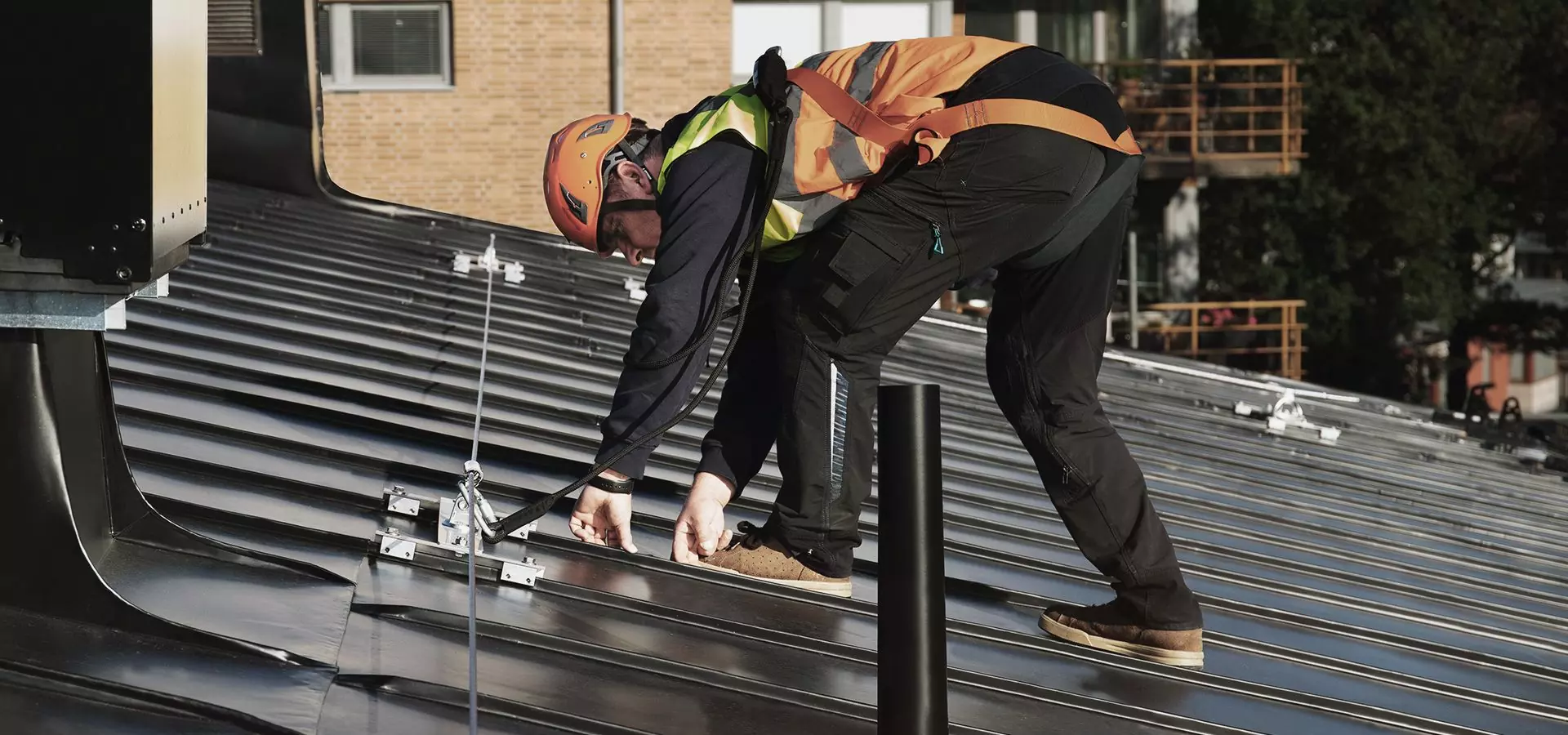
Roof anchors support activities such as waterproofing, gutter cleaning, solar panel servicing, air-conditioning maintenance, signage work, inspection, and roof repair.
Some roof anchors serve fall restraint, while others support fall arrest. Certain products may also form part of a horizontal lifeline system. The roofing material alone may not provide adequate structural support, so fixing usually depends on the underlying beam, slab, deck, or approved support.
Roof type, slope, edge location, fragile areas, skylights, drainage channels, and access points all affect anchor placement.
Concrete Anchor Points
Concrete anchor systems attach to assessed concrete surfaces through approved fixing methods. They may suit commercial properties, parking structures, industrial plants, bridges, towers, and infrastructure projects.
Concrete condition should be checked before installation. Cracks, deterioration, edge distance, thickness, reinforcement location, and fixing depth may affect suitability.
Quality anchor point equipment in Myanmar should be installed according to product requirements and structural recommendations rather than fitted through guesswork.
Steel Structure Anchors
Steel anchors may connect to beams, columns, frames, trusses, or other structural steel members. Options can include bolted anchors, clamps, beam devices, welded fittings, or fixed connection plates.
The anchor must suit the shape, thickness, dimensions, and condition of the steel support. Load direction also matters because some products are designed for specific pulling angles.
Warehouses, manufacturing plants, construction sites, power facilities, and industrial buildings often require steel-compatible anchor point equipment in Myanmar.
Horizontal Lifeline Anchor Points
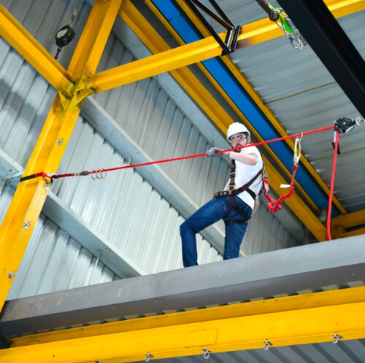
Horizontal lifeline systems allow workers to travel across a longer working area while staying connected. Such systems may appear on roofs, loading zones, platforms, production spaces, bridges, or maintenance routes.
End anchors and intermediate supports must manage forces created by the lifeline system. Cable length, spacing, user count, line tension, clearance, and structural capacity should receive proper assessment.
GROXX GEARS supports horizontal lifeline requirements as part of broader fall-protection planning.
Vertical Lifeline Anchor Points
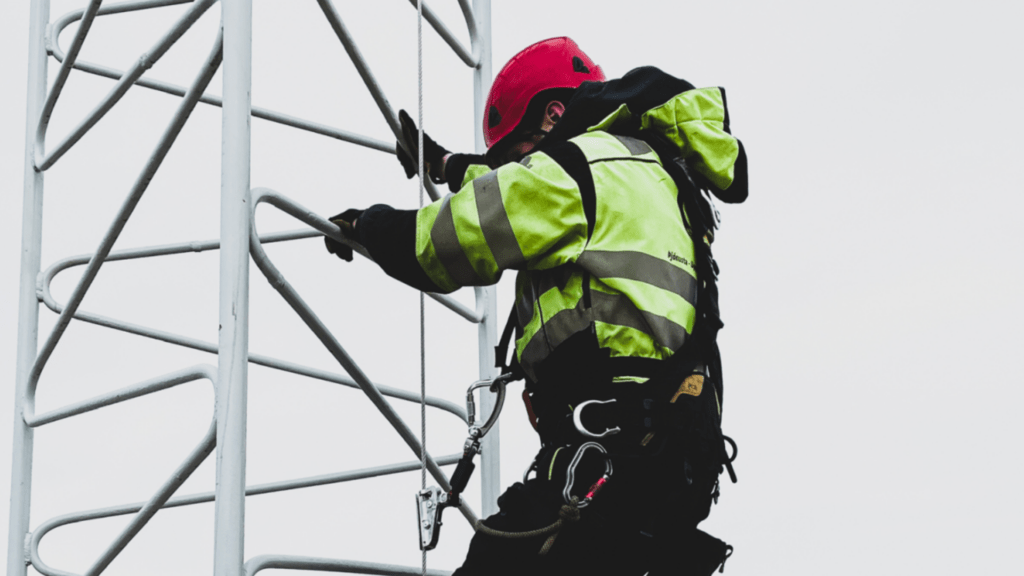
Vertical lifeline anchors support upward and downward movement across ladders, towers, shafts, poles, tanks, and elevated structures.
A vertical system may use cable, rope, rail, or another guided format. The upper anchor plays a major role because it supports the lifeline and connected fall-arrest device.
Correct anchor point equipment in Myanmar helps climbers stay connected throughout access rather than repeatedly disconnecting at different levels.
Main Applications of Anchor Point Equipment
Anchor points serve many industries and work activities. Common uses include:
- Roof inspection and repair
- Waterproofing work
- Solar panel installation and servicing
- Facade cleaning
- Window replacement
- Glass inspection
- Sign installation
- Telecommunications tower servicing
- Warehouse maintenance
- Factory equipment repair
- Bridge inspection
- HVAC servicing
- Tank access
- Construction work
- Rope access
- Suspended platform support
- High-rise maintenance
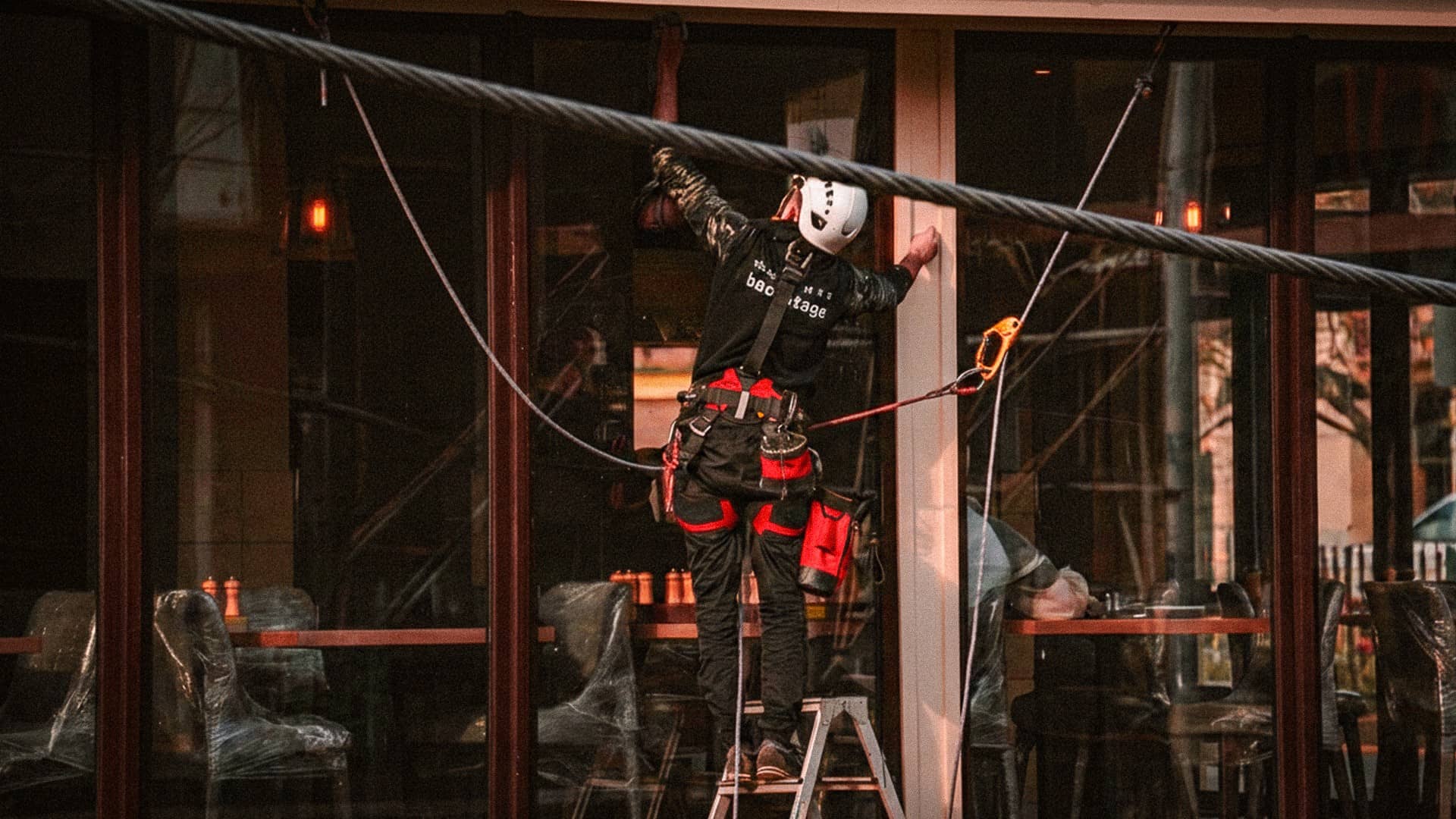
Each task requires a work-specific approach. A window-cleaning crew may need rope-access anchors positioned near a roof edge. A roof technician may need restraint anchors placed far enough from the edge to prevent a fall. A factory worker may need an overhead anchor supporting a self-retracting lifeline.
Buyers choosing anchor point equipment in Myanmar should describe the actual task rather than request a general-purpose anchor without further assessment.
Anchor Points for Building Maintenance Systems
Modern properties require regular access for facade cleaning, glass replacement, sealant repair, inspection, painting, lighting maintenance, and structural checks. Standard scaffolding may not be practical for tall buildings or complex exterior surfaces.
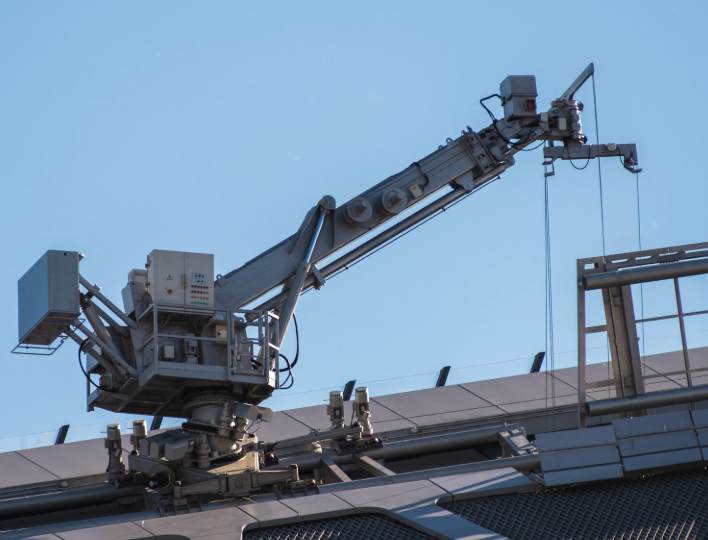
Anchor points may work with rope-access equipment, suspended platforms, davit arms, roof rigs, lifelines, or building maintenance units. Their location should support safe access from the roof toward each required facade zone.
GROXX GEARS supplies building maintenance solutions for high-rise properties and complex facades. Its suspended access support can assist teams carrying out cleaning, repair, glass work, and inspection.
Planning anchor point equipment in Myanmar during property design can help reduce access difficulties after construction. Designers can account for roof geometry, parapets, equipment locations, edge conditions, structural supports, and expected maintenance routes before the property becomes operational.
Existing buildings may also receive anchor systems, although retrofitting often requires careful review of the current structure and waterproofing conditions.
Anchor Points for Fall-Arrest Systems
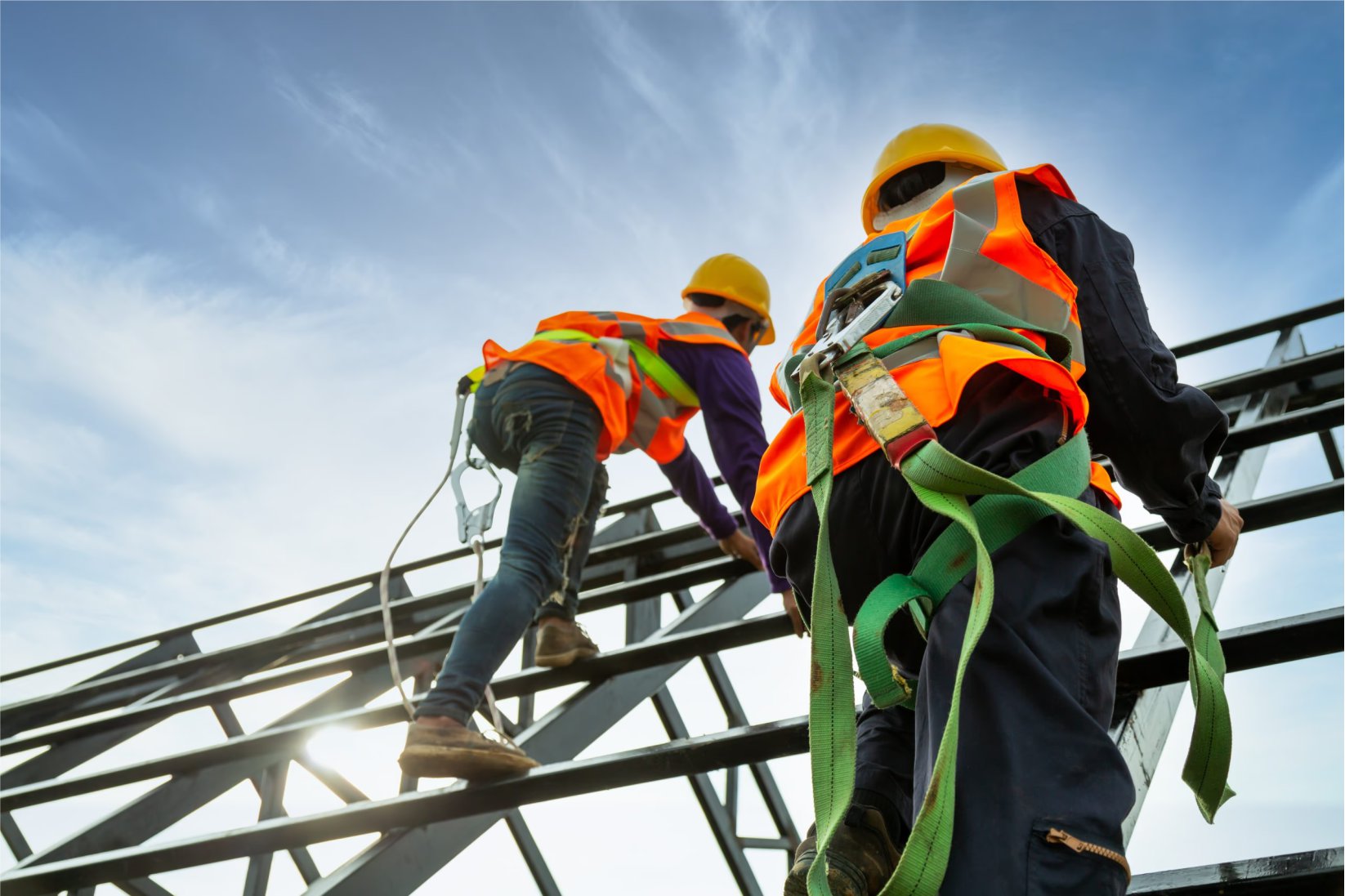
A fall-arrest system is intended to stop a worker after a fall begins. It commonly includes a full-body harness, an energy-absorbing lanyard or self-retracting lifeline, connectors, and an approved anchor.
Anchor location affects fall distance and worker movement. A low anchor may increase free-fall distance, while an overhead anchor may reduce it. The chosen system should provide enough clearance below the worker to prevent contact with a lower level, platform, vehicle, machine, or structural component.
Swing fall also requires attention. When a worker moves far to one side of the anchor, a fall may cause a pendulum-like movement toward a wall, beam, or obstacle. Placing anchor point equipment in Myanmar near the active work zone can reduce this hazard.
A rescue plan should accompany every fall-arrest arrangement. Stopping a fall does not complete the safety process. Workers must be recovered promptly through a planned method supported by trained personnel and suitable rescue equipment.
Anchor Points for Fall-Restraint Systems
A fall-restraint system prevents the worker from reaching a location where a fall could occur. It commonly uses an anchor, harness, connector, and fixed-length or adjustable lanyard.
Restraint may be suitable for roof inspection, maintenance, or repair where workers do not need to reach beyond the edge. The anchor position and lanyard length define the worker’s permitted movement area.
Proper anchor point equipment in Myanmar can support clear work boundaries around roof edges, skylights, openings, and fragile surfaces. A restraint setup should account for the full working radius rather than only the direct distance toward one edge.
Fall restraint and fall arrest serve different purposes. Buyers should confirm which system applies before selecting an anchor, lanyard, or connection method.
How to Choose Anchor Point Equipment in Myanmar
Correct product selection requires more than comparing price or appearance. Several technical and practical factors should shape the decision.
Review the Supporting Structure
Identify whether the anchor will attach to concrete, steel, timber, roofing support, or another approved surface. Surface material alone does not confirm structural capacity.
A qualified assessment may be necessary before installation. Weak, damaged, corroded, cracked, or poorly supported surfaces may not suit the proposed fixing method.
Define the Safety Purpose
Determine whether the system will support:
- Fall restraint
- Fall arrest
- Rope access
- Work positioning
- Horizontal lifelines
- Vertical lifelines
- Suspended access
One item of anchor point equipment in Myanmar may not suit every function. Product documentation and project design should identify permitted uses.
Confirm the Number of Users
Some anchors support one worker, while others may support more than one when properly designed. User capacity should never be assumed.
Multiple users can create greater forces during an incident. Lifeline systems may also transfer amplified loads toward end anchors and supporting structures.
Consider Environmental Exposure
Outdoor systems may face rain, heat, ultraviolet exposure, airborne salt, dust, and humidity. Industrial locations may add chemicals, fumes, grease, or abrasive materials.
Material choice, coating, drainage, sealing, and inspection frequency should reflect these conditions. GROXX GEARS prioritizes durable materials and heavy-duty construction for demanding industrial applications.
Check Component Compatibility
Anchor points must connect correctly with harnesses, lanyards, self-retracting lifelines, ropes, cables, and connectors.
Connector size, gate position, loading direction, sharp edges, and movement around the anchor should receive attention. Poor compatibility may create cross-loading, accidental disengagement, or excessive wear.
Study Worker Movement
Map expected travel before placing anchors. Review edges, roof obstacles, equipment, skylights, openings, parapets, ducts, signs, and access hatches.
The best anchor point equipment in Myanmar may still perform poorly when located far from the actual work area. Placement should support practical movement while controlling exposure.
Key Features of Quality Anchor Point Equipment
Dependable anchor products commonly offer several valuable characteristics:
- High-strength construction
- Durable materials
- Corrosion resistance
- Clear identification markings
- Defined user capacity
- Secure connector contact areas
- Compatibility with approved system components
- Practical installation requirements
- Accessible inspection points
- Documented performance information
- Suitability for expected weather and job-site conditions
GROXX GEARS focuses on high-performance industrial gear built for demanding work. Strong alloys, careful production methods, and strict tolerances support dependable products across construction, maintenance, rigging, and fall protection.
Businesses purchasing anchor point equipment in Myanmar should seek complete product details rather than relying only on sales descriptions. Technical records help engineers, installers, safety officers, and inspectors confirm correct application.
Why Correct Anchor Placement Matters
Anchor placement affects free-fall distance, clearance, swing-fall exposure, worker reach, connector loading, and daily usability.
An anchor placed too far from the work location may encourage unsafe stretching or connection to another unapproved point. An anchor placed at the wrong height may increase fall distance. Poor alignment may load connectors sideways rather than through their intended direction.
Placement should also account for rescue access. A worker suspended beyond a roof edge may be difficult to recover without suitable equipment and clear access routes.
Careful planning allows anchor point equipment in Myanmar to support both safety and productivity. Workers can complete required tasks without repeatedly changing connection points or moving through exposed areas unnecessarily.
Installation Considerations
Installation quality directly affects anchor reliability. Key considerations include:
- Structural condition
- Correct fixing type
- Required fastener size
- Installation depth
- Edge distance
- Surface preparation
- Load direction
- Corrosion protection
- Roof waterproofing
- Product orientation
- Identification labels
- Installation records
- Post-installation verification
Roof penetrations may require careful sealing to prevent water entry. Steel anchors may require protection against corrosion. Concrete installations may require accurate drilling, cleaning, fixing, and curing procedures.
Only competent personnel should install anchor point equipment in Myanmar. Installers should follow the approved product method and project documentation.
Inspection and Maintenance Requirements
Anchor systems require ongoing checks throughout their service life. A visual check should occur before each use. Workers should look for looseness, corrosion, cracks, deformation, missing fasteners, damaged labels, sharp edges, or changes to the supporting structure.
Formal inspections should follow the applicable inspection plan, product requirements, site policy, and local safety rules. Severe weather, building modifications, roof repairs, chemical exposure, or a fall event may require an additional inspection.
Inspection records should identify the anchor, location, inspection date, findings, corrective action, and responsible person.
Damaged or questionable anchor point equipment in Myanmar should be removed from service until assessed. A fall-arrest event may create forces that are not visible through a basic surface check, so professional evaluation may be required.
Common Anchor Point Selection Mistakes
Several mistakes can weaken a fall-protection plan:
- Choosing an anchor without checking the structure
- Treating a handrail or pipe as a safe anchorage
- Ignoring fall clearance
- Overlooking swing-fall exposure
- Assuming one anchor supports several workers
- Mixing incompatible system parts
- Placing anchors far from the work zone
- Forgetting roof waterproofing
- Skipping formal inspections
- Keeping damaged equipment active
- Failing to prepare rescue procedures
- Buying solely according to price
A complete review helps prevent these issues. GROXX GEARS can support buyers seeking anchor point equipment in Myanmar for construction, roofing, maintenance, lifelines, and suspended access applications.
Why Choose GROXX GEARS?
GROXX GEARS supplies heavy-duty industrial products for high-risk work environments. Its product range supports fastening, rigging, fall protection, building maintenance, horizontal lifelines, vertical lifelines, and suspended access.
Durability remains central to the company’s product approach. High-strength materials and advanced production methods help equipment withstand demanding operating conditions.
GROXX GEARS also recognizes that structures differ. Roof layouts, facade shapes, structural materials, access routes, and maintenance tasks can change from one project to another. Proper anchor point equipment in Myanmar should reflect those site-specific factors.
Contractors, property managers, engineers, safety teams, and procurement professionals can work with GROXX GEARS when planning equipment for industrial, construction, and maintenance requirements.
Building a Complete Fall-Protection System
An anchor point works as one component of a larger safety arrangement. A complete system may include:
- Full-body harnesses
- Energy-absorbing lanyards
- Self-retracting lifelines
- Horizontal lifelines
- Vertical lifelines
- Approved connectors
- Rope-access equipment
- Edge protection
- Rescue equipment
- Safety signage
- Worker training
- Inspection procedures
- Emergency planning
Every component should match the selected anchor and work method. Strong anchor point equipment in Myanmar cannot compensate for an unsuitable harness, damaged lanyard, incorrect connector, or missing rescue plan.
Worker competence also matters. Teams should know how to inspect equipment, connect correctly, adjust harnesses, control lanyard length, avoid sharp edges, and report defects.
Safer Work Starts With the Correct Anchor System
Work at height requires careful planning, dependable products, proper installation, regular inspection, and trained personnel. Anchor systems provide the secure connection point that supports every other fall-protection component.
Companies selecting anchor point equipment in Myanmar should consider the supporting structure, safety purpose, number of users, environmental exposure, movement area, connected devices, and rescue requirements.
GROXX GEARS provides industrial safety solutions for construction, roofing, facade access, building maintenance, lifeline systems, and other demanding applications. Its focus on strong materials and reliable performance makes it a practical source for businesses seeking dependable anchor systems.
Choose anchor point equipment in Myanmar according to actual site conditions rather than relying on a one-size-fits-all approach. Properly selected and maintained equipment can support safer access, more consistent work procedures, and stronger protection for every crew member working above ground level.
Frequently Asked Questions About Anchor Point Equipment in Myanmar
What is anchor point equipment used for?
Anchor point equipment provides a secure connection location for fall-restraint, fall-arrest, rope-access, work-positioning, lifeline, or suspended-access systems. Workers may connect a harness and lanyard, self-retracting lifeline, rope, or cable system to the anchor.
Can a steel beam serve as an anchor point?
A steel beam should not automatically be treated as a safe anchorage. Its size, condition, structural capacity, load direction, and connection method require assessment. An approved beam anchor or another suitable device may be necessary.
What is the difference between permanent and temporary anchors?
Permanent anchors remain fixed for repeated work, while temporary anchors can be installed and removed for short-term tasks. Both types of anchor point equipment in Myanmar require correct setup, inspection, and compatible connection equipment.
How many workers can connect to one anchor?
The permitted user count depends on the product rating, structure, installation method, and system design. Never assume that one anchor supports several workers. Check product documentation and project requirements.
How often should anchor points be inspected?
Workers should check anchors before use. Formal inspections should follow the product requirements, site policy, applicable rules, and risk conditions. Extra inspection may be needed after a fall, impact, structural change, severe weather, or visible damage.
Can anchor points support horizontal lifelines?
Purpose-designed anchors may support horizontal lifelines when the structure, spacing, cable forces, user count, and installation method have been assessed. Ordinary roof anchors may not automatically suit a lifeline system.
What equipment connects to an anchor point?
Common connected items include full-body harnesses, lanyards, self-retracting lifelines, rope-access systems, horizontal lifelines, vertical lifelines, and approved connectors.
Are roof anchors suitable for every roof type?
No. Roof materials and support systems vary. Anchor choice should match the underlying structure, roof condition, work method, and expected loading. Sheet roofing alone may not provide adequate support.
Why does anchor location affect safety?
Location affects worker reach, free-fall distance, available clearance, swing-fall exposure, and connector loading. Correct placement helps workers remain connected while reducing unnecessary exposure near edges and openings.
Where can businesses source anchor point equipment in Myanmar?
GROXX GEARS supplies industrial safety and access solutions suited to construction, maintenance, roofing, lifeline, facade, and high-risk work applications. Project details should include the structure type, work method, user count, access area, and required safety function.