






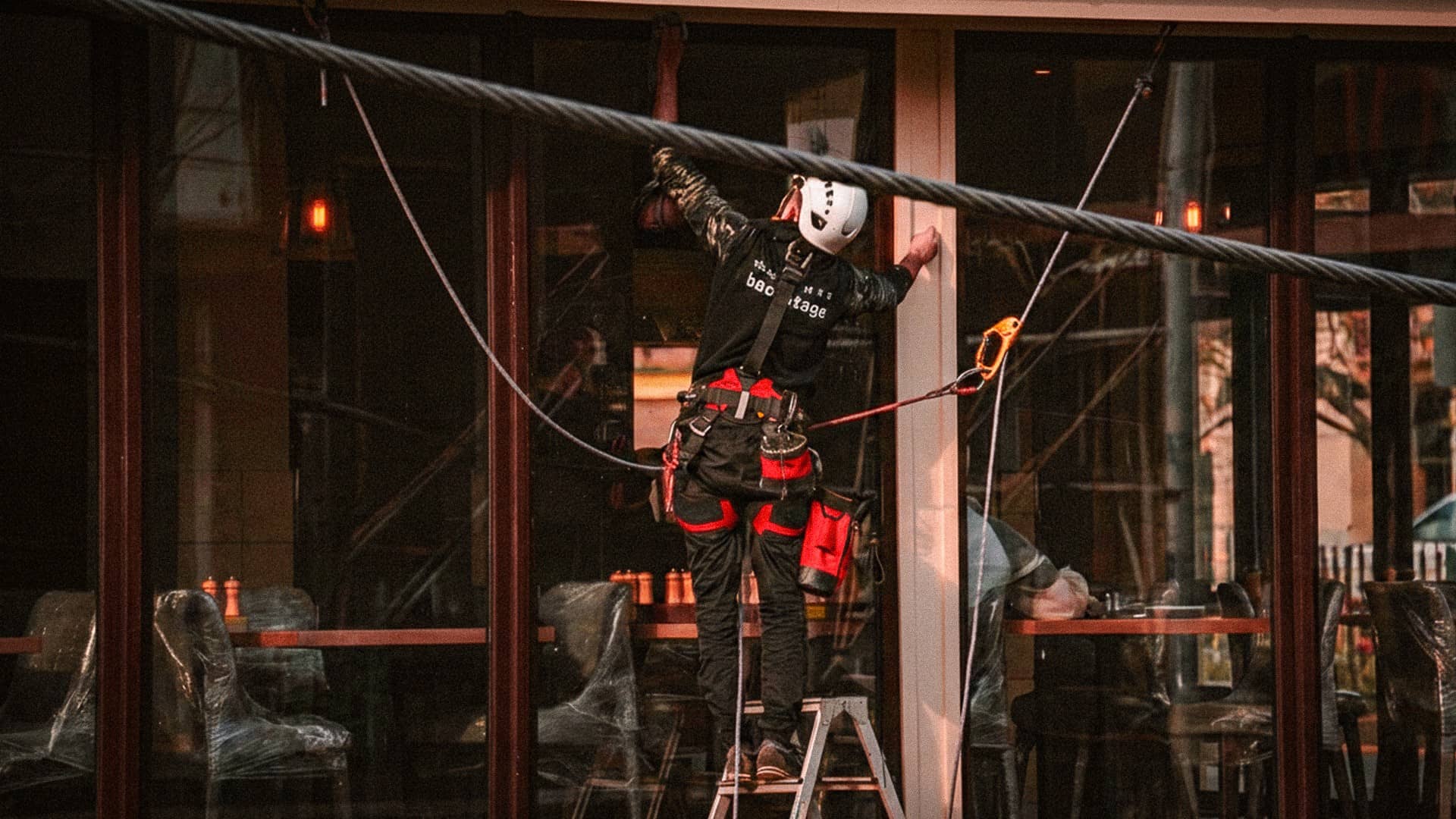



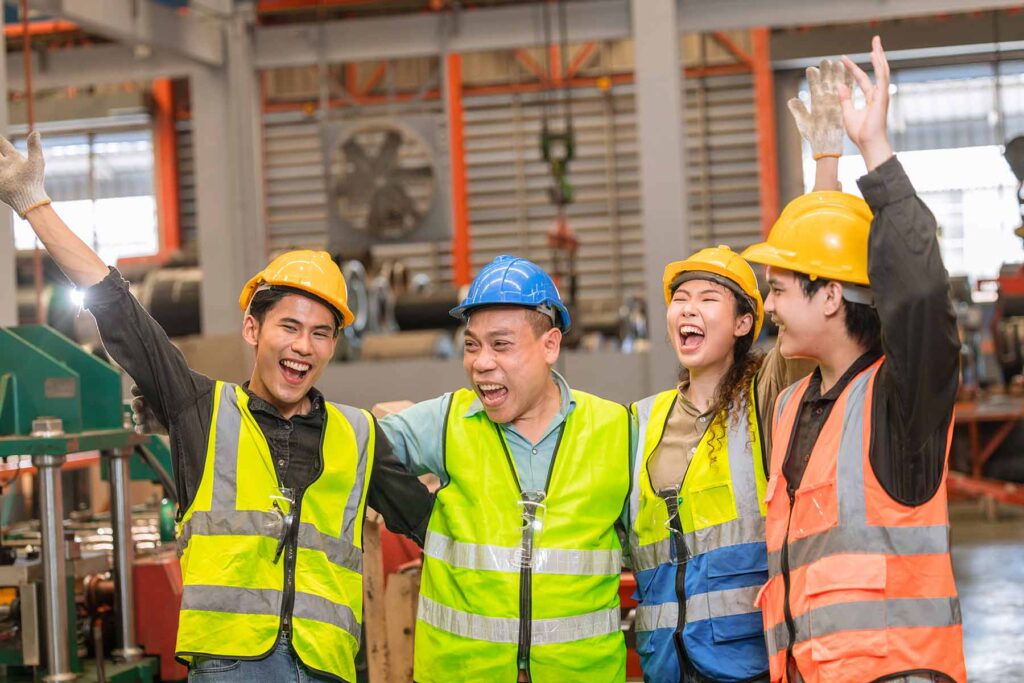
The world continues to recognize the exceptional skills, work ethic, and adaptability of Filipino workers. With millions of Filipinos working in various parts of the globe, overseas Filipino employment remains a vital force that fuels both the global economy and the Philippine nation. As countries seek skilled labor to fill gaps in healthcare, engineering, information technology, and hospitality, Filipinos have proven time and again that they can rise to meet international standards. Beyond providing financial support for their families, they contribute significantly to the nation’s economic growth and strengthen cultural exchange worldwide.
The Global Demand for Filipino Talent
Filipino workers are among the most sought-after professionals in the international workforce. Their fluency in English, dedication, and ability to adapt to diverse environments make them ideal employees across various industries. Global employers continue to favor Filipino talent because of their resilience, reliability, and commitment to excellence. This ongoing demand has made the Philippines one of the top labor-exporting nations worldwide.
Several countries now actively recruit Filipinos to meet growing labor shortages. For instance, the healthcare industry in countries like the United Kingdom, Canada, and Japan relies heavily on Filipino nurses and caregivers. The Middle East continues to open opportunities for engineers, construction workers, and household service professionals. These trends reflect how deeply integrated Filipinos have become in the global employment landscape, making overseas Filipino employment a key driver of both national and international progress.
Top Industries Hiring Overseas Filipino Workers (OFWs)
The demand for Filipino talent is spread across multiple industries, each offering different kinds of opportunities for career growth and financial stability. Filipinos dominate the caregiving and healthcare fields, where compassion and patience are essential. The construction and engineering sectors, particularly in the Middle East, depend heavily on Filipino expertise in technical and managerial roles. In the maritime industry, Filipinos comprise a large percentage of the global seafaring workforce, known for their discipline and skill in navigating international waters.
Service-oriented industries also thrive because of Filipino professionalism and warmth. Many are employed in hospitality, tourism, and retail sectors across Asia, Europe, and the United States. The digital revolution has also opened a new frontier for Filipino workers through remote and online employment, allowing them to work for international companies while staying in the Philippines.
Some of the most in-demand sectors for overseas Filipino employment include:
- Healthcare and caregiving services
- Construction, engineering, and architecture
- Seafaring and maritime operations
- Hospitality and tourism management
- Information technology and remote services
These industries not only provide financial stability but also serve as pathways for personal and professional development, helping Filipinos expand their global presence.
Government Support and Legal Framework for Overseas Employment
Overseas employment requires proper guidance and regulation to protect the rights and welfare of Filipino workers. The Philippine government, through the Department of Migrant Workers (DMW) and the Philippine Overseas Employment Administration (POEA), ensures that every deployment abroad follows legal and ethical standards. These agencies are responsible for screening recruitment agencies, processing employment contracts, and providing pre-departure orientation seminars to prepare workers for life overseas.
Filipino workers are also supported by the Overseas Workers Welfare Administration (OWWA), which provides assistance in times of distress, repatriation, or reintegration. Legal contracts, proper documentation, and verified employers are crucial to ensuring that overseas Filipino employment remains safe and beneficial. The government’s continued efforts to strengthen bilateral labor agreements protect the interests of Filipinos and prevent exploitation.
The Economic Impact of Overseas Filipino Employment
Remittances sent home by Filipinos working abroad are a major source of economic stability for the Philippines. These financial contributions support not only individual families but also fuel the national economy through consumption, savings, and investments. Every year, billions of dollars flow into the country, uplifting local communities and funding education, housing, and small businesses.
Beyond economic value, overseas Filipino employment also influences cultural identity and social change. Families of OFWs often experience improved living conditions and better access to opportunities. Returning workers also bring new skills and global perspectives that contribute to local innovation. This continuous cycle of overseas employment and reinvestment sustains both the emotional and economic resilience of Filipino families.
Common Challenges Faced by Overseas Filipino Workers
Despite the many opportunities abroad, overseas Filipino workers face several challenges that test their strength and adaptability. Separation from family remains one of the most significant struggles, often leading to emotional distress and missed milestones at home. Adapting to different cultures, languages, and work practices can also be daunting, especially in regions with strict labor regulations or limited social freedoms.
Other common issues include:
- Contract irregularities or unethical recruitment practices
- Workplace discrimination or unfair treatment
- Financial mismanagement due to high living costs abroad
- Limited access to healthcare and social services
- Mental health struggles such as loneliness or burnout
Addressing these challenges requires comprehensive support from both the government and private sectors. Financial literacy programs, mental health awareness, and stronger international labor partnerships can help ensure that every Filipino working overseas is protected and empowered.
Preparing for Overseas Employment: A Step-by-Step Guide
Preparation is the foundation of a successful overseas career. Aspiring Filipino workers must begin by assessing their skills and identifying which industries best match their experience. Obtaining relevant certifications, such as technical or language proficiency training, increases the likelihood of landing reputable jobs abroad.
It is also important to verify that the recruitment agency is licensed by the DMW or POEA. Many fraudulent agencies operate online, offering fake job opportunities that lead to financial loss or human trafficking. Workers should always secure proper documentation, including passports, work visas, and an Overseas Employment Certificate (OEC).
Before deployment, it is wise to build emotional and financial resilience. Saving money for initial expenses, understanding labor rights, and staying connected with Filipino communities abroad are practical ways to ensure safety and success.
Technology and Digital Transformation in Overseas Employment
Technology has transformed the process of seeking overseas employment. Online job portals, digital training programs, and government databases have made it easier for Filipinos to apply and verify job openings. Through virtual seminars and social media, workers can access valuable information about living conditions, labor laws, and financial management.
Digital innovation has also enabled remote employment, offering new opportunities for Filipinos to work with international companies without leaving home. However, with this convenience comes the risk of cyber scams. Applicants must remain vigilant and use only verified government platforms or trusted recruitment websites.
The Future of Overseas Filipino Employment
As global economies evolve, the demand for skilled Filipino workers is expected to remain strong. Countries experiencing labor shortages are likely to expand recruitment programs, especially in healthcare, technology, and engineering. However, automation and digitalization may also reshape job availability, creating a greater need for upskilling and digital literacy.
The Philippine government continues to explore policies that balance overseas employment with local job creation. By enhancing training programs and promoting reintegration initiatives, more Filipinos can transition into productive roles at home after their contracts end abroad. This evolving landscape shows that overseas Filipino employment is not just about migration—it is about empowerment, adaptability, and continuous growth.
Frequently Asked Questions (FAQ)
1. What are the most in-demand countries for overseas Filipino employment today?
Countries like Canada, Japan, Saudi Arabia, the United Arab Emirates, and the United Kingdom currently offer strong opportunities for skilled Filipino workers in healthcare, engineering, and hospitality.
2. How can Filipinos verify if a recruitment agency is legitimate?
Applicants can check the official website of the Department of Migrant Workers or POEA to confirm if an agency is licensed and accredited.
3. What are the basic requirements for working abroad?
A valid passport, employment contract, work visa, and Overseas Employment Certificate (OEC) are typically required, along with medical and training clearances.
4. Are there government financial programs for OFWs and their families?
Yes. Agencies like OWWA offer reintegration loans, livelihood programs, and education assistance for OFWs and their dependents.
5. How can returning OFWs reintegrate into the Philippine workforce?
Returning workers can seek assistance from OWWA and DMW programs that provide livelihood training, career counseling, and business support.
Takeaway
Overseas Filipino employment stands as one of the country’s strongest pillars of progress, driven by courage, dedication, and sacrifice. Filipinos working abroad embody the values of resilience and hope, contributing not only to their families but to the nation’s economic strength. As global opportunities continue to expand, preparation, awareness, and government collaboration will be the keys to ensuring that every Filipino worker abroad thrives—both personally and professionally—wherever in the world they may be.