



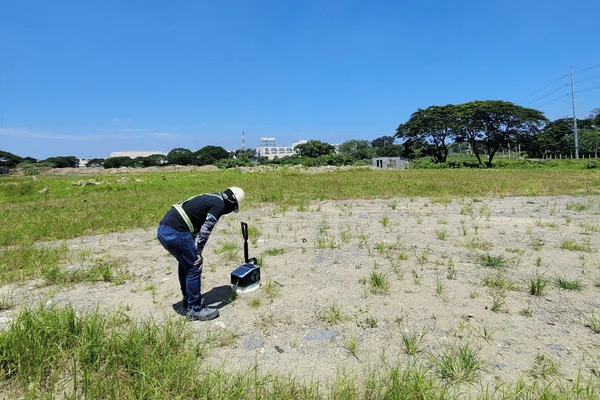

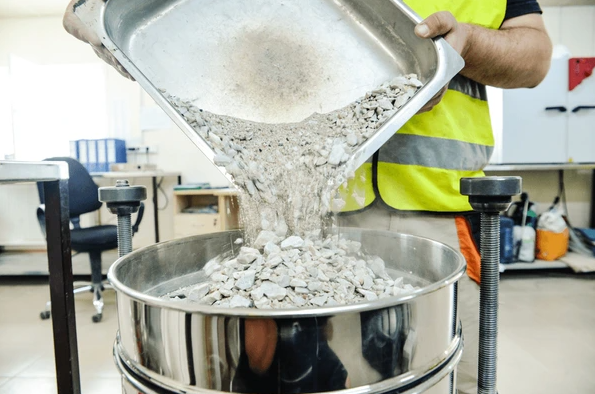




Field Density Test plays a critical role in the construction process, providing assurance that soil compaction meets engineering standards. Properly compacted soil supports roads, buildings, and foundation piles, preventing cracks, settlement, and costly repairs. Contractors, engineers, and developers rely on accurate Field Density Test results to make informed decisions and maintain the structural integrity of their projects.
Field Density Test evaluates the density and moisture content of soil at the construction site, confirming that compaction aligns with project specifications. Soil that has not reached its optimum density can lead to uneven settlement, weakening the foundation of structures and affecting long-term durability. Inch-On Materials Testing Laboratory delivers professional Field Density Test services across the Philippines, following recognized standards to guarantee reliability and safety.
Accredited by the Department of Public Works and Highways – Bureau of Research and Standards (DPWH-BRS), Inch-On Materials Testing Laboratory ensures that each Field Density Test meets national regulations. Testing follows the ASTM and AASHTO methods, which are globally recognized benchmarks for soil compaction. Every report provides engineers and project managers with actionable data, enabling construction decisions backed by precise measurements.
What is a Field Density Test (FDT)?
Field Density Test is a quality control procedure used to determine the in-place density and moisture content of compacted soil. It measures the soil’s ability to support the weight and load of construction structures. Performing a Field Density Test ensures that the soil has reached a level of compaction that will support roads, buildings, or foundation piles safely.
Field Density Test is often conducted after the Proctor Test, which identifies the soil’s optimum moisture content and maximum dry density. The Field Density Test verifies whether the soil at the construction site matches these specifications. When results fall below the required density, additional compaction is performed, ensuring long-term stability.
Field Density Test can be performed using several methods, such as the sand cone method, the nuclear density gauge, or the rubber balloon method. Each technique provides accurate measurements of soil density and moisture, and Inch-On Materials Testing Laboratory selects the method best suited to the project and soil type.
Field Density Test is vital for a wide range of construction projects, from highways to residential buildings. Without Field Density Test verification, the risk of soil settlement increases, potentially compromising structural performance and requiring expensive repairs. Conducting Field Density Test guarantees that the foundation is capable of supporting the project safely.
Why Field Density Test Matters for Construction Projects
Field Density Test safeguards construction projects against soil-related failures. Substandard soil compaction can result in structural settlement, pavement cracking, and uneven foundations. These problems lead to higher maintenance costs and delays, impacting project timelines and budgets.
Field Density Test allows contractors to detect weak areas before construction continues. With precise measurements of soil density and moisture, engineers can confirm whether compaction meets the project’s engineering requirements. This reduces the likelihood of structural damage and supports safer construction.
Field Density Test provides reliable data for regulatory compliance. Accredited laboratories such as Inch-On Materials Testing Laboratory ensure that testing aligns with DPWH-BRS standards. Projects that incorporate Field Density Test findings demonstrate adherence to national safety requirements and professional construction practices.
Properly executed Field Density Test strengthens confidence for both contractors and clients. Knowing that soil compaction has been validated allows construction to proceed without hesitation. Roads, buildings, and foundation piles are more likely to perform as designed, reducing the need for corrective work or repairs.
Field Density Test also supports project planning and scheduling. By identifying areas that require additional compaction, engineers can address issues proactively. This prevents delays and keeps projects on track, providing tangible benefits for developers and construction teams.
Field Density Test Testing Process
The Field Density Test process follows a series of steps to ensure accurate and reliable results. Every procedure is designed to verify that soil compaction meets the required density and moisture content.
The process begins with the Proctor Test, which determines the optimum moisture content and maximum dry density of the soil. These values establish the standard for comparing site measurements during Field Density Test. The Proctor Test identifies how soil should behave when compacted and provides a baseline for Field Density Test evaluation.
After establishing the Proctor Test results, Field Density Test is performed at the construction site. Techniques such as the sand cone method or nuclear density gauge are used to measure in-place soil density. Field Density Test captures variations across the site, ensuring comprehensive evaluation. Engineers can then verify whether the soil matches the target density determined by the Proctor Test.
Following Field Density Test, the California Bearing Ratio (CBR) test may be performed to assess soil strength. CBR is particularly relevant for road construction and pavement design. Combining Proctor, Field Density Test, and CBR results provides a complete view of soil quality, supporting safe and durable infrastructure development.
During Field Density Test, trained technicians take multiple readings across the project area to account for variations in compaction. This ensures the results reflect the true condition of the soil. Field Density Test reports detail all measurements, including density, moisture content, testing method, and location of readings. Accurate documentation allows engineers to plan construction steps confidently.
Field Density Test requires proper calibration of equipment and adherence to testing protocols. Inch-On Materials Testing Laboratory employs trained staff and modern tools to deliver reliable Field Density Test results. The combination of skilled personnel and accredited procedures guarantees that Field Density Test findings are precise and dependable.
Field Density Test Services by Inch-On Materials Testing Laboratory
Inch-On Materials Testing Laboratory provides a full range of Field Density Test services for construction projects across the Philippines. The laboratory’s accreditation by DPWH-BRS ensures compliance with national construction regulations.
Field Testing involves on-site evaluation of soil, concrete, and foundation piles. Performing Field Density Test directly at the project site allows engineers to assess real conditions, ensuring soil compaction is sufficient before construction continues. This approach reduces risks and prevents potential structural problems.
Laboratory Testing complements Field Density Test by analyzing soil and construction materials under controlled conditions. Laboratory tests confirm material properties, verify consistency, and provide additional insights to support project decisions. This combination of field and laboratory testing ensures comprehensive evaluation of soil quality and construction readiness.
Field Density Test services by Inch-On Materials Testing Laboratory include detailed reporting for each project. Reports specify soil density, moisture content, testing method, and location, providing engineers and project managers with actionable information. Field Density Test documentation also helps meet regulatory requirements and supports project compliance audits.
The laboratory serves contractors, civil engineers, and developers, offering reliable Field Density Test results for residential, commercial, and infrastructure projects. Clients can rely on Inch-On Materials Testing Laboratory for accurate, timely, and compliant testing throughout the construction process.
How Field Density Test Supports Long-Term Project Success
Field Density Test helps ensure foundations remain stable over time. Proper compaction verified through Field Density Test reduces the likelihood of settlement or structural movement. Roads, buildings, and foundation piles are more likely to maintain their integrity when Field Density Test confirms the soil meets design specifications.
Performing Field Density Test before construction mitigates risks. Weak or inconsistent soil can compromise structural performance, but Field Density Test provides the data needed to take corrective action. Projects can continue with confidence, knowing that soil compaction is sufficient to support intended loads.
Field Density Test also reduces maintenance costs over the life of the structure. By confirming proper compaction early, projects experience fewer issues related to settlement or cracking. This long-term benefit reinforces the importance of Field Density Test as a standard practice in quality construction.
For contractors and engineers, Field Density Test results support planning and scheduling. Identifying areas requiring additional compaction allows teams to address issues efficiently, keeping construction on track. Field Density Test contributes to cost savings, improved safety, and enhanced structural performance.
Field Density Test ensures compliance with DPWH-BRS and other regulatory standards. Projects with certified Field Density Test results demonstrate adherence to national construction guidelines. Regulatory compliance not only avoids penalties but also enhances credibility and trust with clients and stakeholders.
Takeaway
Field Density Test is an essential step in maintaining safe, durable, and high-performing construction projects. By measuring soil density and moisture content, Field Density Test verifies that soil compaction meets design specifications. Proper compaction prevents settlement, cracking, and structural failure, protecting investments and extending the lifespan of infrastructure.
Inch-On Materials Testing Laboratory provides professional Field Density Test services across the Philippines. Accredited by DPWH-BRS and following ASTM and AASHTO standards, Inch-On delivers reliable testing, detailed reporting, and actionable insights. Contractors, engineers, and developers can rely on Field Density Test to ensure soil readiness, structural stability, and project success.
Field Density Test should be an integral part of every construction project. Accurate, timely, and compliant Field Density Test results support safety, regulatory compliance, and long-term project performance. Engaging a trusted laboratory ensures Field Density Test meets the highest standards and contributes to reliable construction outcomes.
Frequently Asked Questions About Field Density Test
What is the purpose of a Field Density Test?
Field Density Test measures the in-place density and moisture content of compacted soil, verifying that the ground can safely support structures and pavement.
How does Field Density Test differ from the Proctor Test?
The Proctor Test determines the soil’s optimum moisture content and maximum dry density in a laboratory. Field Density Test measures actual soil density and moisture at the construction site.
Why is Field Density Test important for construction projects?
Field Density Test ensures soil compaction meets design specifications, preventing foundation settlement, cracks, and structural issues.
Which methods are used for Field Density Test?
Common methods include the sand cone method, nuclear density gauge, and rubber balloon method. Inch-On Materials Testing Laboratory selects the method suitable for the project type and soil conditions.
How often should Field Density Test be performed?
Field Density Test is usually conducted after each layer of soil compaction and before construction of foundations or pavement, ensuring consistent results across the project site.
Can Field Density Test results be used for regulatory compliance?
Yes, Field Density Test reports from accredited laboratories like Inch-On Materials Testing Laboratory meet DPWH-BRS standards and help projects demonstrate compliance with national construction regulations.