

Safety at height depends on more than body support gear and a lanyard. Workers also need a secure connection point that supports their movement, limits fall distance, and matches the structure where tasks take place. Companies searching for anchor point equipment in France need products built for demanding construction, roofing, industrial maintenance, and façade access work.
GROXX GEARS supplies heavy-duty fall protection solutions for projects where equipment failure cannot be accepted. Its product approach focuses on strong materials, careful manufacturing, accurate tolerances, and practical system planning. From individual roof anchors to complete horizontal and vertical lifeline systems, GROXX GEARS supports safer work practices across many high-risk environments.
Choosing suitable equipment requires more than selecting a metal attachment. The supporting structure, worker count, movement range, fall direction, weather exposure, rescue plan, and connected devices all affect system performance. A well-planned setup gives workers a reliable point of connection while helping project teams manage access more effectively.
What Anchor Point Equipment Does
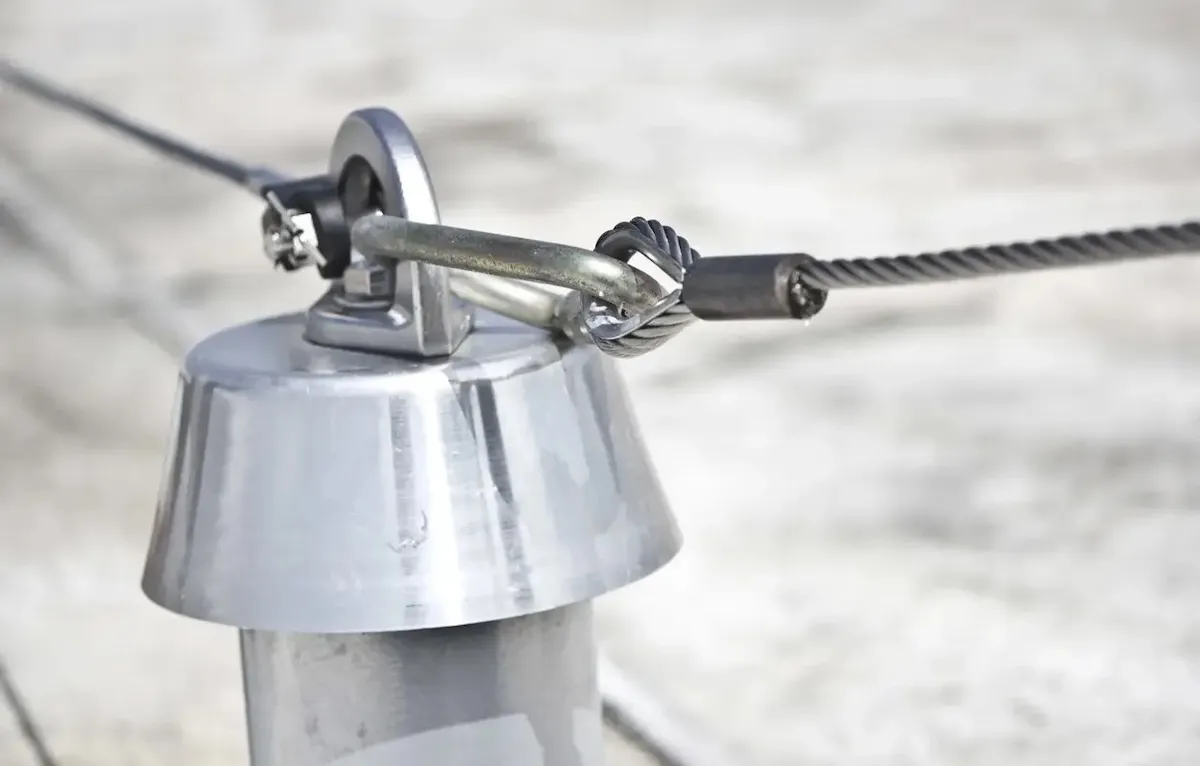
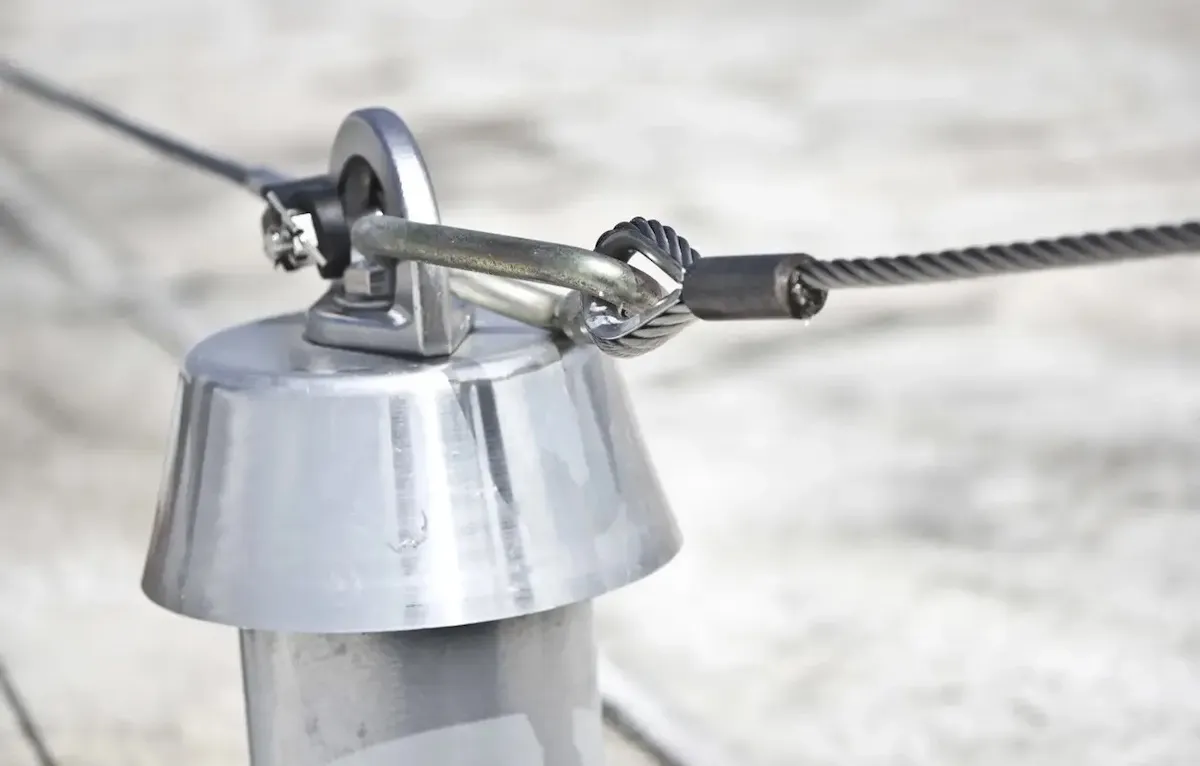
Anchor point equipment creates a secure attachment between a worker and a fall restraint, fall arrest, or work-positioning system. It may connect with full-body fall arrest gear, a shock-absorbing lanyard, a self-retracting lifeline, a rope line, a cable system, or another approved connector.
A single anchor may support a worker at a fixed work zone. A larger setup may include several anchors connected through a horizontal lifeline, allowing movement across a roof or platform. Vertical systems may support workers climbing ladders, towers, poles, or similar structures.
Anchor point equipment in France should match the exact task and surface. Concrete, structural steel, roofing sheets, steel beams, and overhead frames each need a suitable fixing method. Poor matching may cause unsafe loading, excessive movement, or damage to the supporting structure.
Why Work-at-Height Safety Starts with a Secure Anchor
A fall protection system can only perform as expected when every component works together. Strong body support gear cannot protect a worker if the connection point is poorly placed or attached to an unsuitable surface. A self-retracting lifeline may also provide limited protection when fixed too far from the worker or positioned where a swing fall could occur.
Correct anchor selection helps control several risks. It can reduce free-fall distance, keep connectors away from sharp edges, support stable movement, and give workers a clear connection route. Proper placement may also help workers remain connected while moving between task areas.
For contractors, building owners, and facility managers, dependable anchor point equipment in France supports safer maintenance planning. It also helps reduce work delays caused by poor access, unsuitable equipment, or repeated temporary setups.
Main Types of Anchor Point Equipment in France
Different projects require different anchor designs. No single product fits every roof, tower, building, factory, or maintenance route. GROXX GEARS supports several equipment categories for varied work conditions.
Permanent anchor points serve buildings and structures that need frequent access. They may support roof cleaning, equipment servicing, façade inspection, solar panel work, or planned repairs. Once installed and approved, these anchors provide a known connection point for future tasks.
Temporary anchor points suit short projects, changing work zones, or structures where permanent fixing is not practical. Portable beam anchors, temporary straps, and mobile attachment devices may provide flexible support when used according to product guidance.
Roof anchor points support work near edges, roof hatches, gutters, mechanical units, drainage areas, and solar equipment. Their design must match the roof type, structural support, expected loading direction, and connection device.
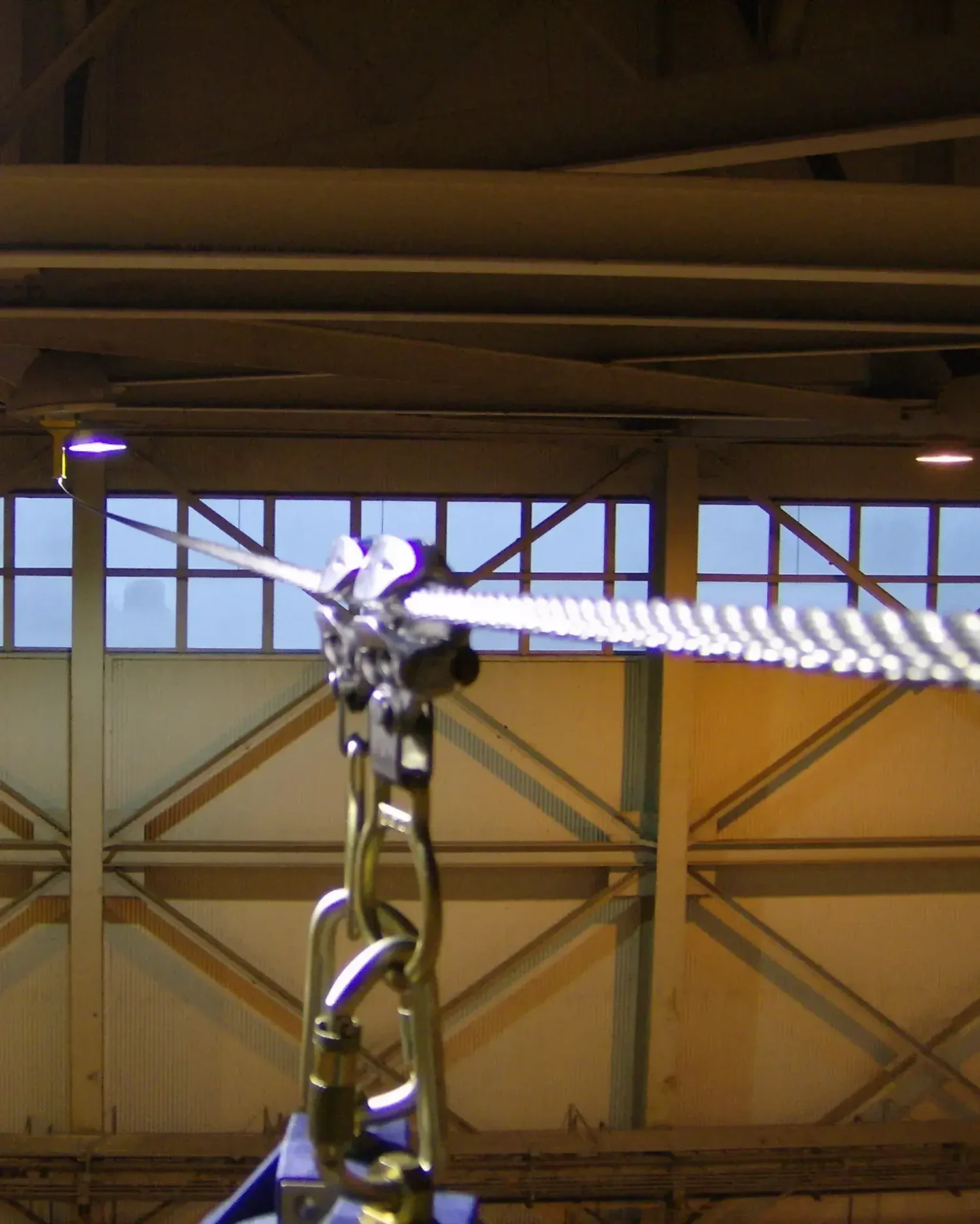
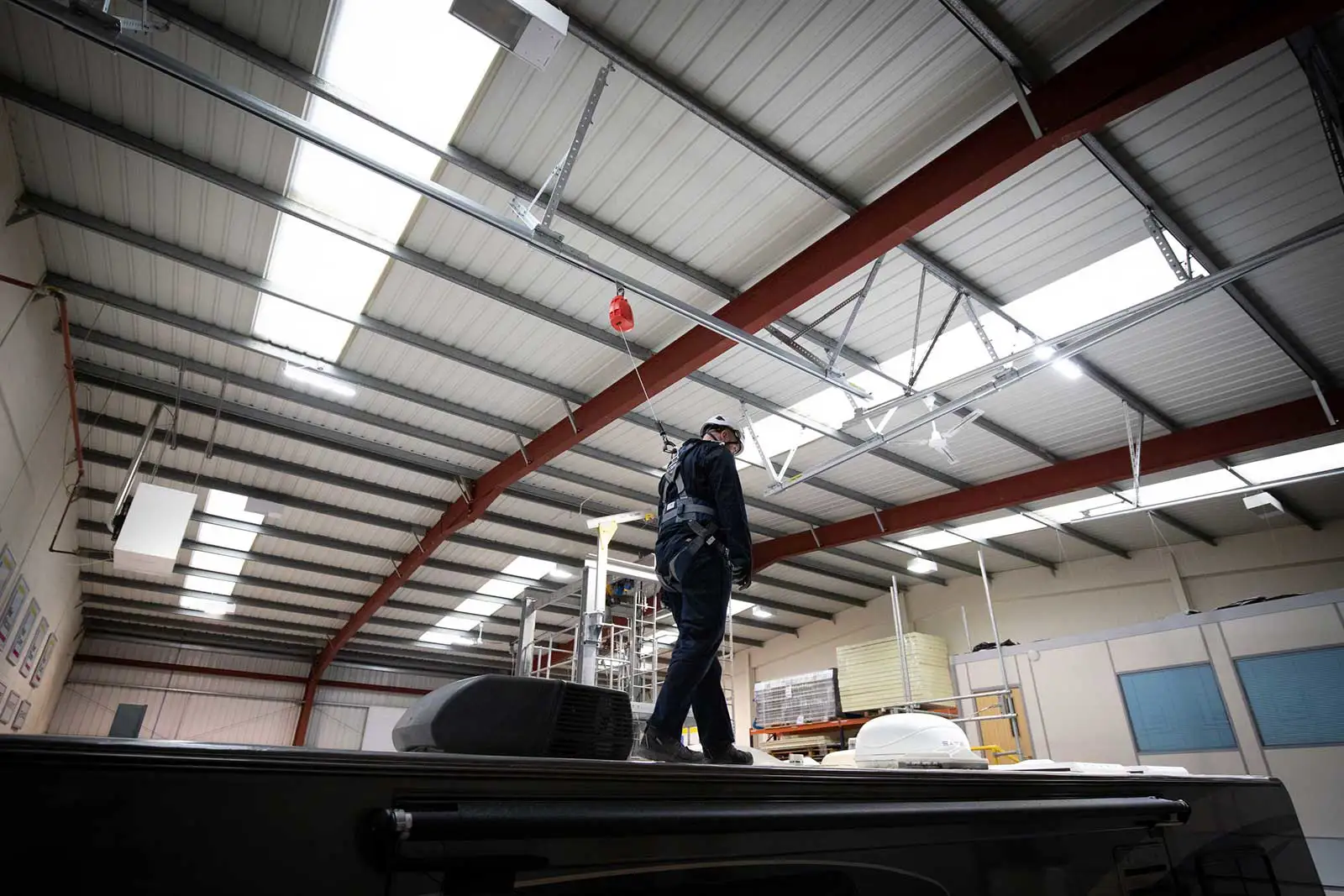
Overhead anchor points are often chosen for factories, warehouses, service bays, and industrial workstations. A connection placed above the worker may help reduce free-fall distance and limit contact with lower surfaces.
Permanent Anchor Points for Regular Access
Buildings with recurring maintenance needs benefit from permanent connection points. These systems reduce the need to create a new temporary setup for every cleaning, inspection, or repair task. They also provide clearer access routes for maintenance crews.
Permanent anchor point equipment in France may be fixed to concrete, structural steel, roof framing, or another approved base. The design should account for roof layout, edge distance, worker movement, surface condition, and future maintenance needs.
Clear labels and inspection records are also essential. Each anchor should be easy to identify, and workers should know whether it supports one person or several users. Site records should show inspection dates, findings, repairs, and approval status.
GROXX GEARS focuses on durable materials and controlled production methods suited to repeated use. This supports long-term performance where anchors face weather, vibration, moisture, dust, or demanding service conditions.
Temporary Anchors for Short-Term Projects
Temporary anchor systems help contractors manage work where fixed anchors are unavailable. They may support construction, short repair jobs, equipment servicing, temporary roof access, or maintenance across changing locations.
A temporary system still requires careful selection. The supporting member must be strong enough, the device must fit correctly, and the expected loading direction must match the product design. Workers should also inspect straps, clamps, connectors, and contact surfaces before each use.
Storage matters as well. Temporary anchor point equipment in France may face dirt, moisture, chemicals, or rough transport between projects. Clean storage, clear identification, and regular checks help protect equipment from hidden damage.
Project leaders should never treat temporary anchors as casual accessories. Their portable format does not reduce the need for proper planning, worker training, and rescue preparation.
Roof Anchor Systems for Maintenance Work
Roofs create several access problems. Workers may need to reach gutters, skylights, drainage points, antennas, solar panels, ventilation units, or damaged surfaces. Each task may place the worker near an exposed edge or fragile area.
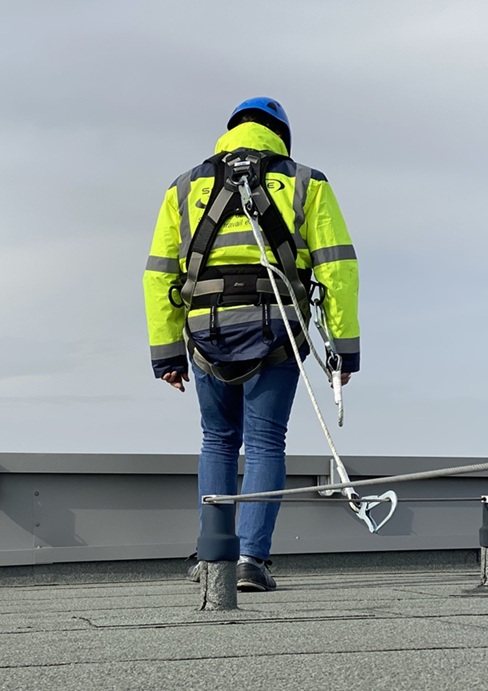
Roof anchor point equipment in France should support safe access from the entry point to the work zone. Placement should help workers connect before exposure begins. It should also allow enough movement to complete tasks without creating excessive line slack.
Roof material affects product choice. Metal sheets, concrete slabs, standing seam roofs, structural frames, and membrane-covered surfaces each need a suitable fixing approach. Weather sealing must also be considered where installation creates roof penetrations.
A good roof safety plan may combine single anchors, lifelines, walkway systems, guardrails, and warning zones. The right mix depends on task frequency, roof size, access routes, and worker movement.
Overhead Anchors for Industrial Work Areas
Factories, warehouses, workshops, and service facilities often require workers to access raised machinery, vehicles, loading areas, or overhead structures. Overhead anchors can support these tasks by keeping the connection point above the user.
This position may reduce free-fall distance and lower the chance of contact with equipment below. It may also help a self-retracting lifeline operate more effectively, provided the device suits the loading direction and work conditions.
Overhead anchor point equipment in France should be placed where workers can reach the full task area without excessive side movement. Large sideways travel may create swing-fall risk, so system layout matters.
GROXX GEARS can support overhead safety planning through anchor points, lifeline components, and related fall arrest equipment built for industrial settings.
Horizontal Lifelines for Wider Work Zones
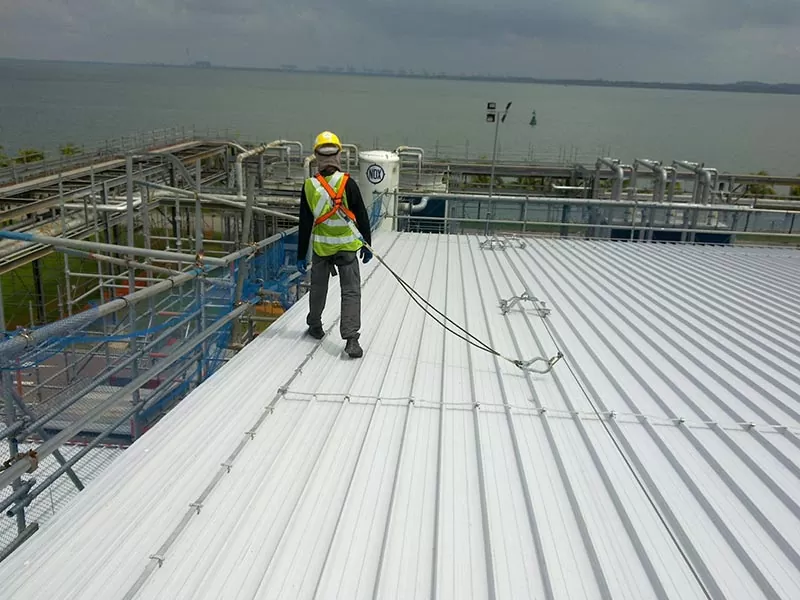
A horizontal lifeline allows workers to move across a roof, platform, bridge section, or industrial structure while staying connected. The system may include end anchors, cable or rail sections, intermediate supports, tensioning parts, and mobile connectors.
This type of setup is useful where a single anchor cannot provide enough coverage. It can support longer travel paths and reduce the need for repeated disconnection. Proper design should consider line length, user count, clearance, structural loading, and rescue access.
Anchor point equipment in France often forms the foundation of a horizontal lifeline. End anchors must transfer system forces to a suitable structure, while intermediate supports help control cable position and movement.
GROXX GEARS supplies horizontal lifeline solutions for rooftops, industrial areas, and maintenance routes. Each setup should reflect the structure, task pattern, and worker movement rather than relying on a generic layout.
Vertical Lifelines for Ladders and Climbing Routes
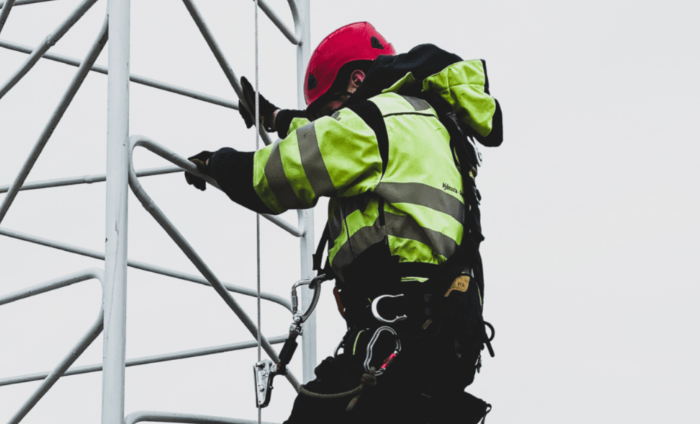
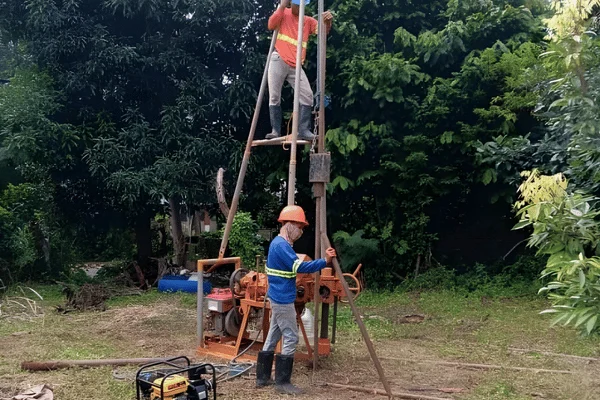
Vertical lifelines support workers moving up or down ladders, towers, poles, silos, and other tall structures. They help maintain continuous connection throughout the climb and may arrest a fall after sudden loss of footing.
A vertical system may use cable, rail, or rope components, depending on site requirements. Anchor placement at the upper and lower sections affects system stability and performance. Intermediate guides may also be needed for long routes.
Anchor point equipment in France used for vertical access should account for climbing height, ladder design, number of users, environmental exposure, and rescue planning. Workers must also use compatible connectors and body support equipment.
GROXX GEARS supports vertical access systems built for demanding construction and maintenance tasks. Strong materials and careful manufacturing help these systems perform across repeated climbing cycles.
Key Factors When Choosing Anchor Point Equipment
Structural compatibility should come first. The anchor must match the supporting base and expected load. Concrete, steel, masonry, roof framing, and sheet systems each require a suitable connection method.
Worker count also matters. Some anchors support one person, while others may form part of a multi-user system. Teams should never assume that one anchor can support several workers without clear technical confirmation.
Movement range affects layout. A worker who stays at one location may need a fixed anchor, while a worker covering a wide roof may need a lifeline. Task direction also matters because vertical, horizontal, overhead, and angled loading can place different forces on the system.
Environmental exposure must be reviewed. Moisture, salt, chemicals, dust, heat, cold, and repeated weather changes can affect material life. Buyers seeking anchor point equipment in France should consider corrosion resistance and long-term service conditions before making a purchase.
Connecting Anchors with Body Support Gear and Lifelines
A complete fall protection setup depends on component compatibility. The anchor, connector, lanyard, self-retracting lifeline, and body support gear must work as a single system.
Connector size and gate position should suit the anchor opening. The lanyard length should not create unnecessary slack. A self-retracting lifeline should match the anchor position, edge conditions, and work direction. Body support gear should fit the user correctly and connect through the approved attachment point.
Anchor point equipment in France should never be selected alone without checking these related parts. A mismatch may affect fall distance, connector movement, or device operation.
GROXX GEARS offers a wider range of fall protection solutions, helping project teams source compatible equipment for complete work-at-height systems.
Planning Safe Anchor Placement
Anchor placement should begin with a site review. Teams need to identify access points, exposed edges, fragile surfaces, roof hatches, skylights, ducts, machinery, and other obstacles.
The connection point should be reachable before the worker enters a hazardous area. It should support the expected movement path and reduce excessive line length. Placement should also limit sideways travel that could create a swing fall.
Future tasks deserve attention too. A system planned only for one repair may fail to support later cleaning, inspection, or servicing needs. Reviewing likely maintenance routes can produce a more practical long-term setup.
Rescue access should be part of the layout. Anchor point equipment in France should support both worker protection and a clear response plan after a fall.
Professional Installation and System Setup
Permanent anchors require qualified assessment and careful fitting. The installer must confirm the base material, fixing method, drilling depth, fastener type, sealing method, and required torque.
Roof penetrations need suitable weather protection. Structural connections need correct alignment and secure fixing. Labels, system records, and inspection dates should be added before handover.
After setup, workers need clear guidance about connection methods, user limits, approved equipment, and restricted areas. A strong product can still be used incorrectly when site instructions are unclear.
GROXX GEARS supports anchor point equipment in France through products designed for demanding work conditions. Proper installation helps those products deliver the safety performance expected by project teams.
Inspection and Maintenance
Every anchor should receive a visual check before use. Workers should look for cracks, bending, corrosion, loose fittings, worn surfaces, missing labels, and unauthorised changes. Any questionable item should be removed from service until assessed.
Scheduled checks should review the anchor, fixing points, supporting structure, labels, nearby surfaces, and connected equipment. Records should show the inspection date, findings, corrective work, and approval decision.
Equipment exposed to a fall needs a full review before reuse. The anchor, fixings, structure, connectors, lifeline, and energy-absorbing parts may all need assessment or replacement.
Regular care helps anchor point equipment in France remain ready for service. Cleaning, dry storage for portable devices, corrosion checks, and timely repairs all support longer product life.
Common Mistakes to Avoid
One common mistake is choosing an anchor without checking the supporting structure. Another is placing the connection point too far from the task area, which may create excessive line slack or swing-fall exposure.
Using a single-user anchor for several people is also unsafe unless the product and system design clearly allow it. Mixing incompatible connectors, lanyards, and self-retracting lifelines can create additional problems.
Some teams also overlook rescue planning. A fall arrest system may stop a fall, but workers still need a safe and prompt recovery method. Rescue equipment, access routes, trained personnel, and clear procedures should be ready before work starts.
Price should not be the only factor when buying anchor point equipment in France. Material quality, manufacturing control, system compatibility, technical support, and inspection needs all affect long-term value.
Why GROXX GEARS Is a Strong Choice
GROXX GEARS provides heavy-duty industrial and safety equipment for projects where accuracy and worker protection matter. Its product range covers anchor points, horizontal lifelines, vertical lifelines, full-body fall arrest gear, self-retracting lifelines, rigging gear, precision fasteners, suspended access solutions, and building maintenance systems.
The company focuses on high-strength materials, advanced heat-treatment methods, accurate production, and strict quality checks. These qualities support equipment exposed to repeated loads and severe work conditions.
GROXX GEARS also recognises that every structure has different needs. Roof layout, building height, worker route, task frequency, and access method all affect system choice. That site-specific approach helps buyers select anchor point equipment in France that matches real project demands.
Building a Complete Work-at-Height Safety System
A strong anchor is only one part of a safer work plan. Project teams also need suitable body support, connectors, lifelines, access equipment, rescue procedures, inspection records, and worker instruction.
GROXX GEARS helps bring these parts together through a broad range of fall protection and building maintenance products. This is useful for contractors, facility managers, building owners, industrial operators, and maintenance teams seeking one source for related equipment.
Choosing anchor point equipment in France should begin with a careful review of the structure, worker movement, task frequency, environmental conditions, and rescue needs. From there, teams can select a system that supports safer access and dependable long-term service.
Frequently Asked Questions About Anchor Point Equipment in France
What is anchor point equipment?
Anchor point equipment provides a secure connection for a fall restraint, fall arrest, or work-positioning system. It may support lanyards, self-retracting lifelines, rope systems, cable lifelines, or other approved connectors.
Where can anchor points be installed?
Anchor points may be fixed to suitable concrete, structural steel, roof framing, overhead beams, ladders, towers, and other approved bases. A technical review should confirm whether the structure can support the required loads.
What is the difference between permanent and temporary anchors?
Permanent anchors support recurring access and remain fixed to the structure. Temporary anchors serve short-term tasks and can be removed after use. Both types require correct selection, setup, inspection, and user guidance.
Can several workers use one anchor?
That depends on the product rating and system design. Some anchors support only one person, while others may form part of a multi-user system. Teams should never assume shared use without clear technical approval.
Can anchor points connect with self-retracting lifelines?
Yes, provided the anchor location, device type, edge conditions, loading direction, and fall-clearance needs match. Compatibility should be checked before work begins.
How often should anchor points be inspected?
Workers should complete a pre-use check before every task. Qualified periodic inspections should also follow the product guidance, site rules, and service conditions. Extra checks are needed after a fall, impact, structural change, or suspected damage.
Can anchor points support roof maintenance?
Yes. Roof anchors may support cleaning, inspection, drainage work, solar panel servicing, repairs, and mechanical maintenance. Placement should give safe access from the entry point to each work zone.
What should buyers check before ordering anchor point equipment in France?
Buyers should review the supporting structure, number of users, movement range, loading direction, weather exposure, connected devices, rescue plan, installation method, inspection needs, and supplier support.
Does GROXX GEARS offer complete fall protection systems?
GROXX GEARS supplies anchor points, horizontal lifelines, vertical lifelines, body support gear, self-retracting lifelines, suspended access equipment, and building maintenance systems for varied industrial and construction needs.
Why choose GROXX GEARS for anchor point equipment in France?
GROXX GEARS combines durable materials, accurate manufacturing, strict quality checks, and site-specific system planning. Its wide product range also helps project teams source compatible equipment for complete work-at-height protection.