


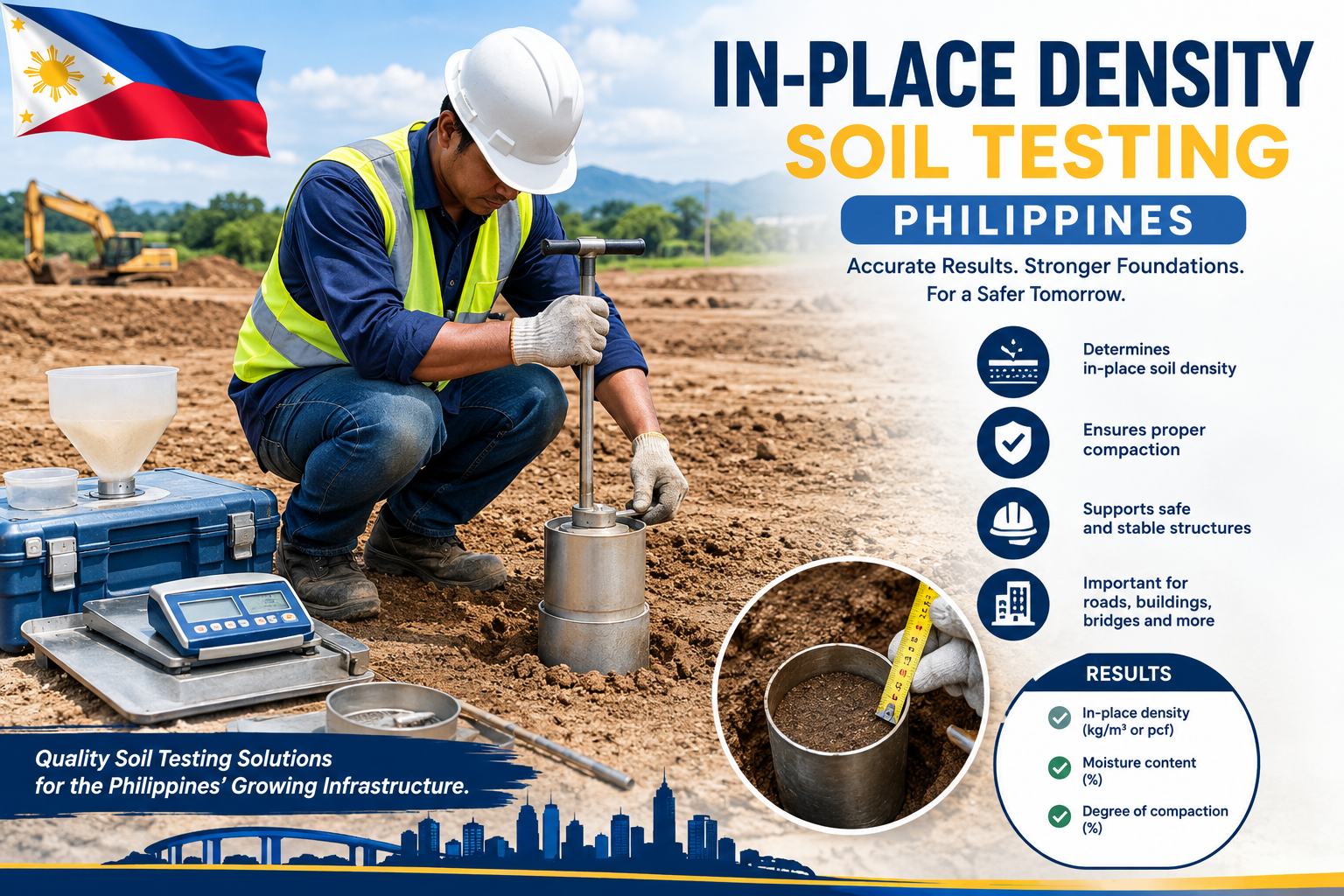



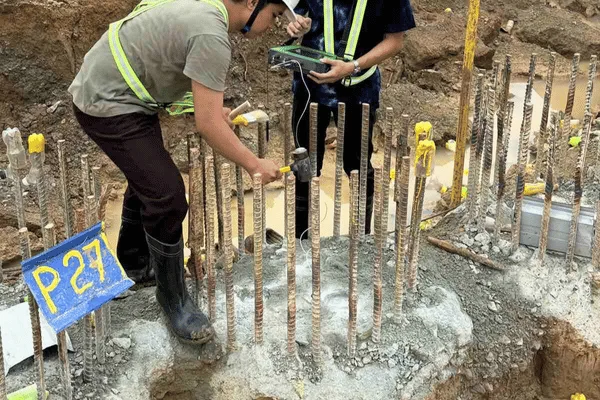
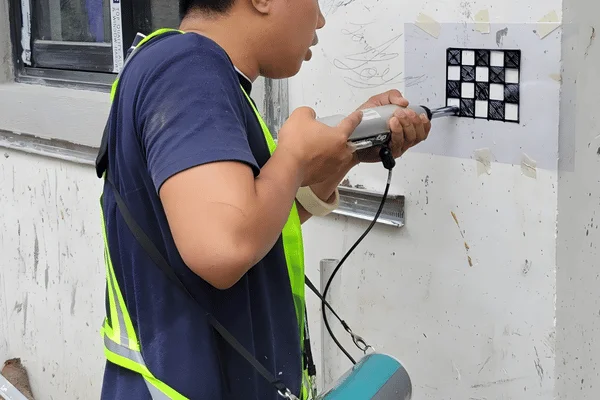


Every successful structure starts with dependable ground data. A site may appear firm at surface level, yet deeper layers can contain soft clay, loose sand, unstable fill, excess moisture, or material that changes under pressure. Such conditions may affect foundation performance, pavement life, drainage, and long-term structural safety.
Soil Testing gives engineers, contractors, architects, developers, and property owners measurable facts about ground conditions before major work begins. Results can help determine soil classification, particle distribution, plasticity, density, consistency, and resistance. These findings support sound choices for foundation type, excavation depth, compaction work, soil replacement, drainage, and other site preparations.
Inch-On Materials Laboratory offers Soil Testing services guided by recognized procedures, calibrated equipment, clear documentation, and practical reporting. Each result helps project teams replace assumptions with data that can support safer planning and better cost control.
What Is Soil Testing?
Soil Testing refers to field and laboratory procedures used to evaluate physical and mechanical soil properties. Testing may examine how soil reacts to water, pressure, loading, compaction, or changes caused by weather and site activity.
Different soil types behave differently. Gravel often drains quickly and can offer good support when properly compacted. Sand may provide useful support, but loose sand can settle or shift. Clay may carry loads under some conditions, yet moisture changes can cause swelling, shrinkage, or loss of strength. Fill material can vary greatly from one area to another, especially where previous construction or land alteration occurred.
A proper Soil Testing program helps classify these materials and assess their likely behavior. Results then become part of the technical basis for foundation design, earthwork, road work, retaining structures, drainage systems, and other construction activities.
Why Soil Testing Matters Before Construction
Ground conditions affect nearly every stage of construction. Without Soil Testing, project teams may choose a foundation system based on appearance, nearby projects, or general assumptions. Such choices can lead to avoidable changes once excavation starts.
Soil Testing helps reveal weak layers, high-plasticity soil, poor grading, loose deposits, variable fill, or other conditions that may affect structural support. Early detection gives engineers more time to recommend suitable measures before concrete placement, paving, or major earthwork.
Testing can also help reduce overdesign. A project team that lacks reliable ground data may select a heavier or more costly foundation than necessary. Accurate results allow design decisions that match actual site conditions, project loads, and expected performance.
Soil Testing and Bearing Capacity
Bearing capacity describes how much pressure soil can support before shear failure or excessive movement occurs. This property has a direct effect on foundation size, depth, and type.
Weak soil may require wider footings, deeper excavation, soil replacement, stabilization, or piles that transfer loads to stronger layers. Stable soil near ground level may allow a shallow foundation, subject to structural and geotechnical review.
Soil Testing supports this assessment by giving qualified professionals data about resistance, density, soil type, and layer changes. Such data does not replace professional design. Rather, it gives the design team a reliable basis for calculating how a proposed structure may interact with the ground.
Soil Testing and Settlement Risk
Settlement occurs when soil compresses under load. Some movement may be expected, but excessive or uneven settlement can damage a structure.
Uniform settlement causes most parts of a structure to move by a similar amount. Differential settlement causes one area to move more than another. Differential movement may lead to wall cracks, sloping floors, sticking doors, separated joints, damaged pipes, or visible structural distortion.
Soil Testing helps identify compressible layers, loose material, weak fill, and moisture-sensitive soil. Such findings can guide foundation changes, preloading, compaction, soil replacement, drainage work, or other measures selected by the project engineer.
Early Soil Testing offers a better chance to address settlement concerns before they become repair costs.
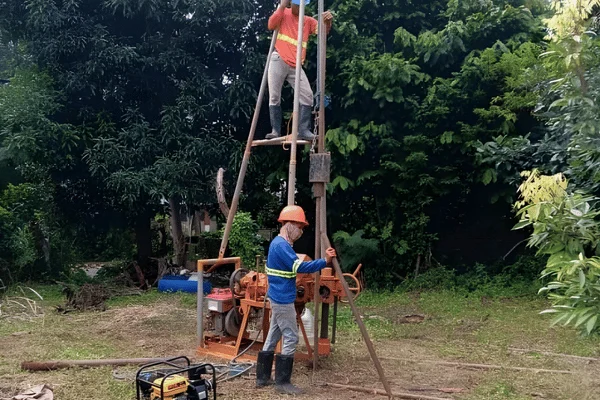
ASTM D1586 Standard Penetration Test
ASTM D1586/D1586M covers the Standard Penetration Test and split-barrel sampling of soils. The procedure uses a standard sampler driven by a specified hammer system, allowing the test team to recover a sample and measure resistance to penetration. ASTM describes a 140-pound hammer with a 30-inch drop for the standard procedure.
The recorded blow count helps qualified professionals assess relative soil resistance and compare changes across depth. Low resistance may point toward loose or soft material, while higher resistance may suggest denser or harder layers. Interpretation must consider equipment, hammer energy, drilling method, groundwater, soil type, and other project conditions.
For Soil Testing, SPT data can support subsurface profiling and foundation planning. It may also help determine where additional samples or laboratory tests are needed.
ASTM D4318 Atterberg Limits Testing
ASTM D4318 covers liquid limit, plastic limit, and plasticity index tests for soil. These measurements help describe consistency and moisture-related behavior, especially for fine-grained material such as clay and silt. ASTM notes that liquid and plastic limits, together with water content, can help express relative soil consistency.
The liquid limit marks a moisture condition where soil changes toward liquid-like behavior. The plastic limit marks a moisture condition where soil starts losing plastic workability. The plasticity index represents the moisture range where soil remains plastic.
These values matter because highly plastic soil may swell when wet and shrink when dry. Such movement can affect slabs, roads, footings, drainage lines, and other site elements. Soil Testing through Atterberg limits helps project teams assess that behavior before selecting earthwork procedures or foundation measures.
ASTM D422 Particle Size Analysis
Particle size analysis separates soil particles according to size, helping classify gravel, sand, silt, and clay fractions. Distribution results can affect judgments about drainage, compaction, permeability, workability, and expected strength.
The supplied Inch-On Materials Laboratory service profile references ASTM D422 for particle size analysis. ASTM currently lists D422 as withdrawn since 2016, and ASTM materials state that later standards cover procedures previously placed under D422. Project teams should therefore confirm which current method, contract specification, agency requirement, or approved legacy procedure applies before testing starts.
Clear confirmation protects documentation quality and helps avoid disputes over test methods. Inch-On Materials Laboratory can review submitted project requirements so clients can align requested Soil Testing with applicable specifications.
Key Soil Properties Checked Through Soil Testing
A Soil Testing program may assess several properties, depending on project needs. Soil classification identifies major material groups and expected behavior. Moisture content shows how much water a sample contains at test time. Particle size distribution reveals the proportion of coarse and fine particles.
Plasticity testing helps evaluate moisture sensitivity. Density and compaction results show how tightly particles are packed. Consistency describes whether fine-grained soil acts as soft, firm, stiff, or hard material under stated conditions. Permeability relates to how readily water passes through soil. Resistance data supports evaluation of subsurface layers.
No single result tells the whole story. Soil Testing works best when field observations, sampling records, laboratory results, structural loads, groundwater conditions, and site history are reviewed together by qualified professionals.
How Soil Conditions Affect Foundation Selection
Foundation selection depends on structure type, expected load, soil profile, groundwater, nearby structures, excavation limits, and other design factors.
Shallow foundations may suit sites where dependable bearing soil exists near ground level. Common options include isolated footings, strip footings, combined footings, and raft or mat foundations. Their size and depth depend partly on allowable pressure and settlement criteria.
Deep foundations may suit sites where upper layers cannot provide adequate support. Piles can transfer loads toward deeper, stronger material through end bearing, shaft resistance, or both. Soil Testing helps designers evaluate where stronger layers occur and whether conditions vary across the site.
Some projects may require soil improvement rather than a different foundation type. Possible measures include controlled compaction, removal and replacement, stabilization, drainage control, reinforcement, or staged loading. Final selection belongs to the responsible design professionals, supported by reliable Soil Testing data.
Soil Testing for Roads, Pavements, and Earthworks
Soil Testing matters beyond building foundations. Roads, parking areas, runways, embankments, and working platforms depend on properly prepared subgrade.
Poorly graded material may compact unevenly. Excess moisture can reduce strength. Highly plastic soil may move as moisture changes. Weak pockets can cause rutting, cracking, depressions, or early pavement distress.
Testing helps project teams assess whether excavated soil can be reused, whether imported fill meets requirements, and whether compaction targets are realistic. Results may also support decisions about stabilization, drainage, layer thickness, or material replacement.
Accurate Soil Testing can reduce premature pavement failure and costly reconstruction by identifying unsuitable or variable material before final layers are placed.
The Soil Testing Process
A typical Soil Testing process starts with a review of project requirements. The laboratory or field team checks the proposed structure, requested methods, sample locations, depths, quantities, and reporting needs.
Sampling or field testing follows. Representative samples must be collected, labeled, protected, and linked to clear location records. Poor sample handling can affect moisture, particle distribution, or other properties, which may reduce result quality.
Laboratory preparation comes next. Technicians prepare each sample according to the selected method, then carry out required measurements with calibrated equipment. Observations, calculations, and quality checks become part of the test record.
After testing, results are reviewed and placed into a clear report. A useful Soil Testing report should identify the sample, test method, measured values, classification, and relevant notes. Engineers and contractors can then use those findings for design review, earthwork planning, quality control, or project documentation.
Why Clear Soil Testing Reports Matter
Raw numbers have limited value when sample identity, method, units, or test conditions are unclear. Actionable reporting turns laboratory measurements into organized project records.
A clear Soil Testing report allows readers to match each result with a location, depth, or sample number. Tables should be readable. Test methods should be stated. Calculations and classifications should follow applicable procedures. Remarks should flag unusual sample conditions or limitations.
Such reporting supports communication among owners, engineers, architects, contractors, inspectors, and regulatory teams. It also creates a traceable record that can support future review, variation assessment, or maintenance planning.
Inch-On Materials Laboratory focuses on easy-to-read reports that help construction teams understand laboratory findings without unnecessary confusion.
Benefits of Early Soil Testing
Early Soil Testing supports better project preparation. Weak or unsuitable soil can be identified before excavation expands or permanent work begins. Designers gain more time to adjust footings, piles, slab details, drainage, or earthwork requirements.
Budget planning can also improve. Unexpected soil replacement, dewatering, deeper excavation, or foundation redesign can create major cost changes. Testing cannot remove every unknown, but it can reduce uncertainty and help teams prepare realistic allowances.
Project scheduling also benefits. When testing occurs early, recommendations can become part of tender documents, method statements, material plans, and site logistics. Contractors receive clearer requirements, while owners gain a stronger basis for comparing proposals.
Most importantly, Soil Testing supports safety. Structures depend on the ground beneath them, so reliable ground data should be treated as a core project requirement.
Projects That May Require Soil Testing
Soil Testing may support residential houses, apartment buildings, offices, warehouses, factories, schools, hospitals, subdivisions, roads, bridges, drainage systems, retaining walls, industrial facilities, and government projects.
Small projects can also face serious ground problems. A compact building may still sit over uncontrolled fill, soft clay, buried debris, or a former drainage path. Site size alone does not determine risk.
Renovation and expansion projects may require Soil Testing when new loads will be added or when earlier foundation records are missing. Testing may also help after cracks, settlement, slope movement, or recurring pavement damage appears.
Each project should receive a testing scope based on actual design needs rather than a one-size-fits-all package.
Why Choose Inch-On Materials Laboratory for Soil Testing?
Inch-On Materials Laboratory provides Soil Testing services with a strong focus on compliance, accuracy, calibrated equipment, and practical reporting. The laboratory’s service profile references ASTM D1586, D4318, and D422 for soil strength and composition assessment, subject to confirmation of current project specifications.
Calibrated, high-precision equipment supports particle size and plasticity measurements. Careful sample handling and documented procedures help reduce avoidable errors. Clear reports allow technical teams to review findings and apply them to project decisions.
Another advantage comes from practical support. Clients may need help identifying which test matches a project specification or which sample details must appear on a request. A responsive laboratory can help clarify these requirements before work starts.
For developers, contractors, engineers, and property owners, reliable Soil Testing offers more than a set of numbers. It provides documented evidence that supports safer foundations, better earthwork, stronger quality control, and more confident planning.
Work With Inch-On Materials Laboratory for Soil Testing
Every foundation, pavement, and earthwork system depends on soil behavior. Guesswork can expose a project to settlement, cracking, weak subgrade, drainage trouble, delays, and unplanned costs.
Soil Testing provides measurable data that helps project professionals understand what lies below the surface. With ASTM-referenced methods, calibrated equipment, careful laboratory work, and clear reports, Inch-On Materials Laboratory supports construction teams from early planning through quality control.
Request Soil Testing for your next residential, commercial, industrial, road, or land development project. Share project specifications, sample details, and required test methods so the laboratory team can review the proper testing scope.
Frequently Asked Questions About Soil Testing
What Is Soil Testing Used For?
Soil Testing measures properties that affect construction, such as classification, particle size, plasticity, moisture, density, consistency, resistance, and expected load response. Results help engineers plan foundations, earthwork, roads, drainage, and soil treatment.
Why Should Soil Testing Happen Before Foundation Work?
Testing before foundation work gives the design team time to identify weak layers, settlement concerns, moisture-sensitive soil, or variable fill. Early results may support safer design choices and reduce costly changes after excavation.
What Does ASTM D1586 Measure?
ASTM D1586/D1586M covers SPT and split-barrel sampling. The procedure records resistance as a sampler is driven into soil. The recovered sample and blow count support subsurface evaluation by qualified professionals.
What Does ASTM D4318 Determine?
ASTM D4318 determines liquid limit, plastic limit, and plasticity index. These values help describe consistency and moisture-related behavior for fine-grained soil.
Is ASTM D422 Still Current?
ASTM lists D422 as withdrawn since 2016. Projects that reference D422 should confirm the contract requirement, agency rule, approved legacy method, or current replacement procedure before work begins.
Can Soil Testing Prevent Foundation Cracks?
Testing cannot guarantee that cracks will never occur, since structural design, workmanship, drainage, materials, loading, and maintenance also matter. However, Soil Testing can identify ground conditions linked to settlement or movement, giving the project team a chance to address them early.
How Many Soil Samples Are Needed?
Sample quantity depends on site area, project type, structure loads, soil variability, sampling depth, and engineer requirements. Larger or more variable sites usually need broader coverage than small, uniform sites.
How Long Does Soil Testing Take?
Turnaround depends on sample quantity, requested methods, preparation needs, site access, and laboratory workload. Clients should submit project requirements early so testing and reporting can fit the construction schedule.
What Should Appear on a Soil Testing Report?
A Soil Testing report should clearly identify samples, methods, results, units, classifications, and relevant observations. Location or depth references should also appear when supplied as part of the sampling record.
Why Choose Inch-On Materials Laboratory?
Inch-On Materials Laboratory combines ASTM-referenced procedures, calibrated equipment, careful testing, readable reports, and technical support. These qualities help clients obtain reliable Soil Testing data for safer construction decisions.