








Understanding What a Fall Arrest System Is
A Fall Arrest System is a critical safety solution designed to protect workers who perform tasks at elevated heights. Rather than preventing a worker from reaching an edge, this system is engineered to safely stop a fall before the individual strikes a lower level or the ground. It significantly reduces the risk of serious injuries and fatalities that can occur during construction, maintenance, roofing, telecommunications, and industrial operations. A properly designed Fall Arrest System combines specialized equipment with safe work practices to create a reliable layer of protection. Employers across various industries rely on these systems to meet workplace safety standards while safeguarding their workforce. Understanding how a Fall Arrest System functions is the first step toward building a safer working environment. When implemented correctly, it becomes an essential part of an organization’s overall safety program.
Falls remain one of the leading causes of workplace injuries worldwide. Even experienced workers can encounter unexpected hazards such as slippery surfaces, unstable structures, or equipment failures. A Fall Arrest System serves as the final line of defense when preventive measures cannot completely eliminate fall hazards. This makes it an indispensable investment for organizations committed to protecting employees while maintaining operational efficiency.
How a Fall Arrest System Works
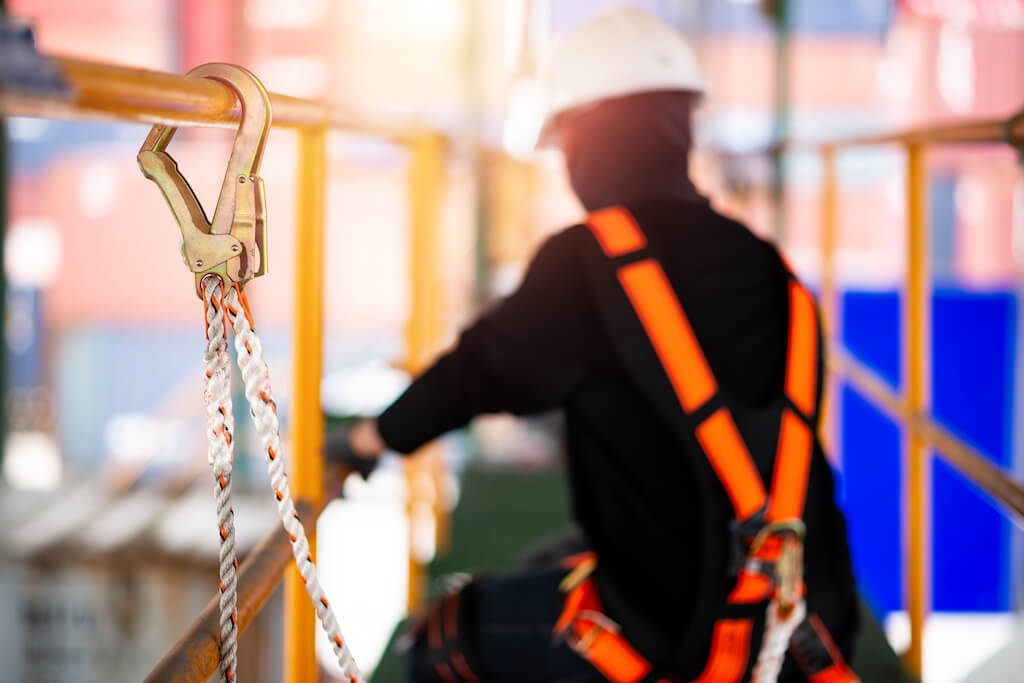
A Fall Arrest System is designed to stop a worker’s descent safely after a fall occurs while minimizing the force placed on the body. The process begins when a worker wearing a properly fitted full-body harness is connected to a secure anchorage point through a lanyard or self-retracting lifeline. If the worker loses balance and falls, the connecting device immediately activates to absorb energy and reduce impact forces. This controlled deceleration helps protect the body from severe injuries caused by sudden stops. The anchorage point supports the entire system and must be capable of handling the required loads. Every component must function together seamlessly to deliver effective protection. Proper installation and equipment compatibility are essential for reliable performance.
The effectiveness of a Fall Arrest System depends on careful planning before work begins. Employers must evaluate fall clearance, swing hazards, rescue procedures, and environmental conditions. Workers should also understand how each component functions during a fall event. Even the highest-quality equipment cannot provide maximum protection if it is incorrectly used or attached to an unsuitable anchor point. Proper preparation ensures the system performs exactly as intended during emergencies.
Essential Components of a Fall Arrest System
Every Fall Arrest System consists of several components that work together to provide complete protection. The full-body harness distributes arrest forces across stronger parts of the body, reducing the likelihood of injury. Shock-absorbing lanyards help reduce the force experienced during a fall by gradually slowing the worker’s descent. Self-retracting lifelines automatically adjust slack while allowing freedom of movement and rapid fall arrest. Anchorage points provide the structural support necessary to secure the system. Connectors, carabiners, and anchorage connectors ensure every piece remains securely attached throughout the work process. Each component must be compatible with the others to maintain system integrity.
Routine inspections are equally important because damaged equipment may fail when needed most. Harness webbing should be checked for cuts, burns, fraying, or chemical damage. Metal components should be examined for corrosion, cracks, or deformation. Locking mechanisms on connectors must operate smoothly and securely. Equipment that has experienced a fall should never be reused unless approved by the manufacturer after proper evaluation. Investing in quality components and maintaining them properly extends equipment life while improving workplace safety.
Types of Fall Arrest Systems
There are several types of Fall Arrest System configurations designed for different work environments. Personal Fall Arrest Systems are commonly used in construction and maintenance work because they provide individual protection through a harness, lanyard, and anchorage. Vertical Fall Arrest Systems are ideal for ladders, towers, and climbing structures where workers move upward or downward. Horizontal Fall Arrest Systems allow workers to travel across rooftops, bridges, or elevated platforms while remaining continuously connected. Permanent systems are installed for locations with ongoing fall hazards, while temporary systems are designed for short-term projects. Mobile Fall Arrest Systems offer flexibility when fixed anchorage points are unavailable. Choosing the right system depends on job requirements, worker mobility, and environmental conditions.
Selecting the correct Fall Arrest System also requires consideration of available fall clearance and rescue capabilities. A system suitable for one project may not provide adequate protection for another. Employers should evaluate site-specific risks before purchasing equipment. Consulting qualified safety professionals helps ensure the selected system meets operational and regulatory requirements. Proper planning leads to better worker protection and increased confidence during high-risk tasks.
Where Fall Arrest Systems Are Commonly Used
A Fall Arrest System is widely used across industries where employees perform tasks at elevated heights. Construction workers rely on these systems while building residential, commercial, and industrial structures. Roofing professionals use them to reduce the risk of falls during installation, inspection, and repairs. Manufacturing facilities often require fall protection during equipment maintenance or elevated production activities. Utility companies depend on Fall Arrest Systems for electrical infrastructure work, transmission towers, and substations. Telecommunications technicians use specialized systems while servicing communication towers and antennas. Wind energy technicians also depend on advanced fall protection while climbing and maintaining turbines.
Bridge maintenance crews, warehouse personnel, aircraft maintenance teams, and industrial cleaning specialists also benefit from reliable Fall Arrest Systems. Regardless of the industry, the objective remains the same: protecting workers from life-threatening falls. Employers who prioritize fall protection often experience fewer workplace incidents, stronger employee morale, and improved operational continuity. Investing in quality safety equipment demonstrates a commitment to employee well-being and responsible business practices.
Benefits of Using a Fall Arrest System
Implementing a Fall Arrest System provides numerous benefits beyond regulatory compliance. The most significant advantage is the protection of workers from severe injuries and fatalities caused by falls. Safer employees contribute to improved productivity because they can focus on their tasks with greater confidence. Employers also benefit from fewer workplace disruptions caused by accidents and investigations. Lower injury rates may contribute to reduced insurance costs and workers’ compensation claims over time. Strong safety programs also enhance an organization’s reputation among clients, employees, and regulatory agencies. These benefits make Fall Arrest Systems an essential investment rather than an optional expense.
Additional advantages include improved workforce retention and stronger safety culture. Employees appreciate organizations that prioritize their well-being through high-quality protective equipment and comprehensive training. A proactive approach to fall protection encourages workers to report hazards and participate in continuous safety improvements. This collaborative environment creates long-term operational benefits while reducing preventable incidents. Consistent investment in workplace safety strengthens organizational resilience and supports sustainable business growth.
Choosing the Right Fall Arrest System
Selecting the right Fall Arrest System begins with a comprehensive hazard assessment. Employers should identify all locations where fall risks exist and evaluate the height, surface conditions, and work activities involved. Weight capacity, equipment compatibility, and worker mobility should also influence equipment selection. Environmental factors such as moisture, chemicals, extreme temperatures, and sharp edges may require specialized components. Ease of inspection, maintenance, and replacement should be considered before purchasing equipment. Selecting certified products from reputable manufacturers improves reliability and long-term performance. Careful planning helps ensure the system meets both operational needs and applicable safety requirements.
A well-designed Fall Arrest System should also support efficient rescue operations if a fall occurs. Rescue planning is often overlooked despite its importance in reducing suspension trauma. Employers should establish procedures that enable rapid retrieval of fallen workers. Workers must understand emergency response protocols before beginning elevated tasks. Combining quality equipment with thorough planning results in a more comprehensive and dependable safety program.
Inspection and Maintenance Best Practices
Regular inspection and maintenance are essential for keeping a Fall Arrest System in safe operating condition. Workers should inspect equipment before every use by examining webbing, stitching, connectors, and hardware for signs of damage. Scheduled inspections conducted by qualified personnel provide an additional level of assurance. Cleaning equipment according to manufacturer recommendations helps preserve its performance and longevity. Proper storage protects components from sunlight, moisture, chemicals, and physical damage. Detailed inspection records help track equipment condition and replacement schedules. Preventive maintenance reduces the likelihood of equipment failure during critical situations.
Organizations should establish written inspection procedures and ensure all employees understand their responsibilities. Equipment nearing the end of its service life should be replaced promptly. Any uncertainty regarding equipment condition should result in immediate removal from service until proper evaluation is completed. Maintaining accurate documentation also supports regulatory compliance and demonstrates a commitment to workplace safety. Consistent maintenance practices maximize both safety and equipment value.
Common Mistakes That Reduce Fall Protection Effectiveness
Several common mistakes can significantly reduce the effectiveness of a Fall Arrest System. One frequent error involves using incompatible components from different manufacturers without verifying compatibility. Improper harness adjustment may prevent forces from being distributed correctly during a fall. Selecting weak or unsuitable anchorage points creates serious safety risks. Skipping routine equipment inspections allows hidden damage to remain undetected. Some workers neglect manufacturer instructions, assuming all equipment functions identically. Others continue using equipment that has already arrested a fall despite replacement requirements. These avoidable mistakes increase the likelihood of equipment failure and worker injury.
Employers can minimize these risks through regular training, supervision, and safety audits. Workers should understand not only how to wear equipment but also why each procedure matters. Encouraging open communication about safety concerns supports continuous improvement. Periodic reviews of workplace practices help identify weaknesses before incidents occur. Consistent reinforcement of proper procedures builds safer habits throughout the organization.
Training Requirements for Safe Fall Arrest System Use
Training is one of the most valuable investments an organization can make when implementing a Fall Arrest System. Workers should learn how to properly inspect, wear, adjust, and connect their equipment before performing elevated tasks. Practical demonstrations help employees understand how the system responds during a fall event. Rescue planning should also be included so workers know how emergencies will be handled. Refresher training reinforces existing knowledge while introducing updated regulations and equipment advancements. Supervisors play a key role in ensuring workers consistently apply safe practices on the job. Continuous education helps create a workplace where safety remains a shared responsibility.
Hands-on practice increases worker confidence and improves overall competency. Employees should also receive training whenever new equipment or work procedures are introduced. Evaluating training effectiveness through observations and assessments helps identify areas needing improvement. Well-trained workers are more likely to recognize hazards early and respond appropriately. A strong training program supports both regulatory compliance and long-term workplace safety.
Regulatory Standards and Compliance
Organizations using a Fall Arrest System should understand applicable workplace safety regulations governing fall protection. Compliance requirements often include hazard assessments, proper equipment selection, employee training, equipment inspections, and documentation. Employers are responsible for providing suitable protective equipment and ensuring workers know how to use it correctly. Certified equipment should be selected whenever applicable to support recognized safety standards. Documentation of inspections and training demonstrates ongoing commitment to workplace safety. Regular reviews of safety procedures help organizations remain aligned with evolving industry requirements. Compliance should be viewed as an ongoing process that supports continuous improvement rather than a one-time task.
Strong compliance programs also help organizations reduce legal risks and strengthen client confidence. Maintaining organized records simplifies audits and internal reviews. Safety leaders should monitor regulatory updates and incorporate necessary changes into workplace policies. Continuous improvement ensures that the Fall Arrest System remains effective as technologies and industry expectations evolve. This proactive approach benefits both employers and employees.
Future Trends in Fall Arrest System Technology
Technology continues to improve the performance and reliability of every modern Fall Arrest System. Smart harnesses equipped with sensors can monitor worker movement and detect fall events more quickly. Connected monitoring systems allow supervisors to receive real-time safety information from multiple job sites. Lightweight materials improve worker comfort while maintaining exceptional strength and durability. Digital inspection platforms simplify equipment tracking and maintenance scheduling. Advanced energy-absorbing technologies continue to reduce arrest forces during falls. Manufacturers are also developing more ergonomic equipment that encourages consistent use throughout long work shifts. These innovations are helping organizations strengthen workplace safety while improving operational efficiency.
Future developments are expected to integrate wearable technology with broader workplace safety management systems. Artificial intelligence may assist with predictive maintenance by identifying equipment nearing replacement. Enhanced data collection will help organizations evaluate safety performance more effectively. As technology advances, Fall Arrest Systems will become even more reliable, efficient, and user-friendly. Organizations that embrace these innovations will be better prepared to protect workers in increasingly complex environments.
Frequently Asked Questions
What is the primary purpose of a Fall Arrest System?
A Fall Arrest System is designed to safely stop a worker’s fall before they reach a lower level while reducing the forces experienced during the event.
What equipment is included in a complete Fall Arrest System?
A complete system typically includes a full-body harness, anchorage point, anchorage connector, shock-absorbing lanyard or self-retracting lifeline, connectors, and compatible hardware.
How often should a Fall Arrest System be inspected?
Workers should inspect equipment before every use, while qualified personnel should perform periodic inspections according to manufacturer recommendations and workplace safety requirements.
Can Fall Arrest System components from different manufacturers be used together?
Only if the manufacturers specifically approve compatibility. Mixing incompatible components may reduce system performance and create serious safety hazards.
What is the difference between a Fall Arrest System and a Fall Restraint System?
A Fall Arrest System stops a fall after it occurs, while a fall restraint system prevents workers from reaching areas where a fall could happen.
When should Fall Arrest equipment be replaced?
Equipment should be replaced if it shows damage, exceeds its service life, fails inspection, or has been involved in a fall event unless otherwise approved by the manufacturer.
Which industries benefit the most from Fall Arrest Systems?
Construction, roofing, manufacturing, telecommunications, utilities, oil and gas, renewable energy, warehousing, infrastructure maintenance, and industrial facilities all benefit from effective Fall Arrest Systems.
Takeaway
A well-designed Fall Arrest System is one of the most important investments any organization can make to protect employees working at height. Selecting quality equipment, conducting regular inspections, providing thorough training, and following established safety standards all contribute to a safer and more productive workplace. Every component of the system plays an essential role, and even small oversights can compromise worker protection. Organizations that prioritize fall protection create stronger safety cultures while reducing the risk of costly accidents and downtime. As technology continues to advance, modern Fall Arrest Systems are becoming more effective, comfortable, and easier to manage. Building a comprehensive fall protection program today helps prepare businesses for safer operations well into the future. Prioritizing worker safety is not only a regulatory responsibility but also a commitment that strengthens trust, operational excellence, and long-term success.