


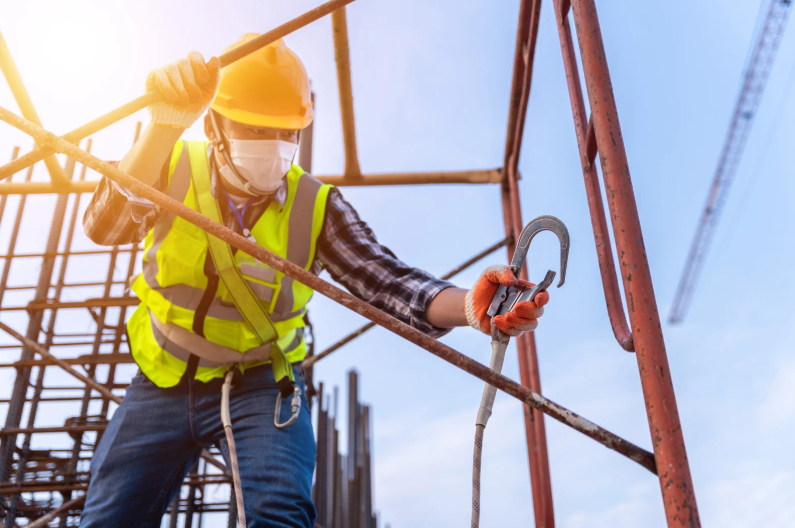
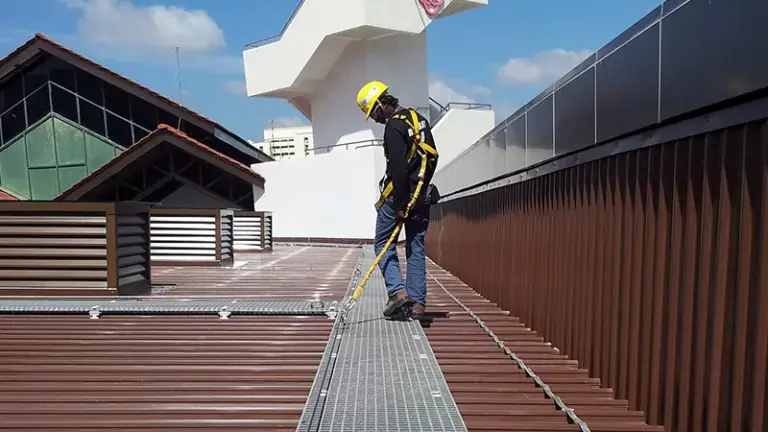
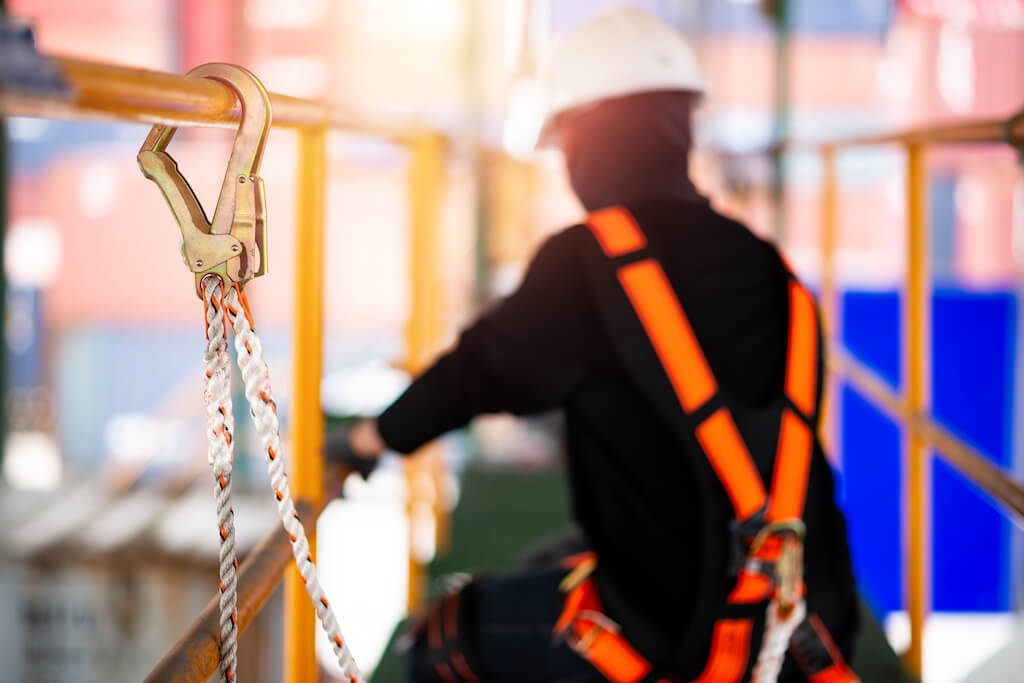
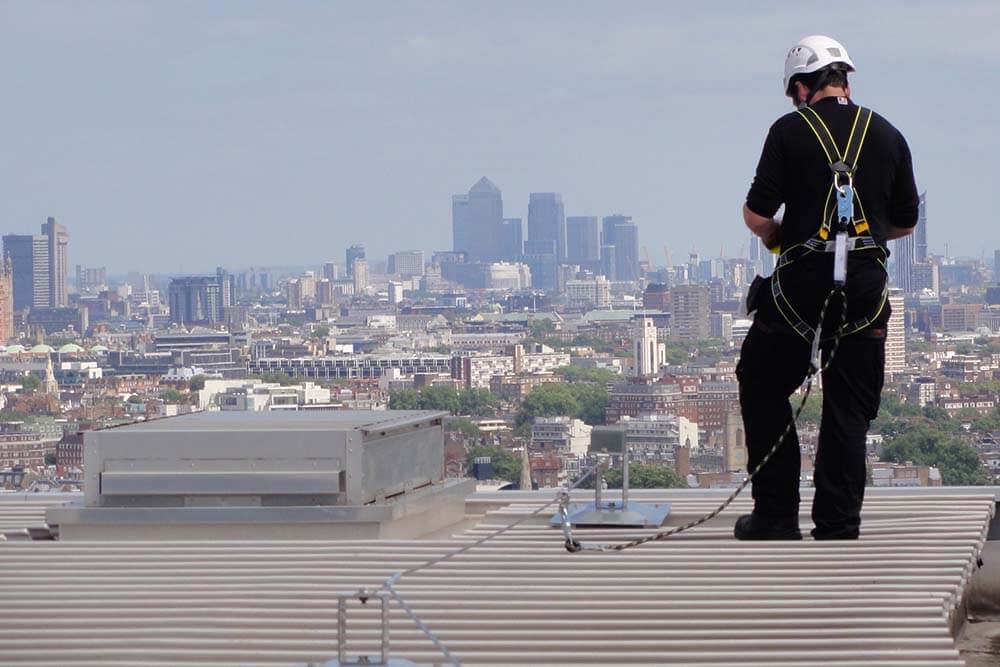
Working at heights presents some of the highest safety risks across construction, manufacturing, utilities, roofing, telecommunications, and industrial maintenance. A single mistake can lead to severe injuries, project delays, and costly liabilities. That is why organizations invest in reliable fall protection systems that safeguard workers while allowing them to move efficiently. One of the most effective solutions for reducing fall hazards is the Horizontal Lifeline. This system creates a continuous connection between workers and secure anchor points, making it possible to travel across elevated work areas without repeatedly disconnecting from fall protection equipment. Whether the work involves installing steel structures, repairing roofs, or maintaining bridges, understanding how a Horizontal Lifeline functions is essential for creating a safer workplace. This guide explores everything employers, safety managers, and workers need to know about selecting, installing, maintaining, and safely using a Horizontal Lifeline system.
Understanding Horizontal Lifeline Systems
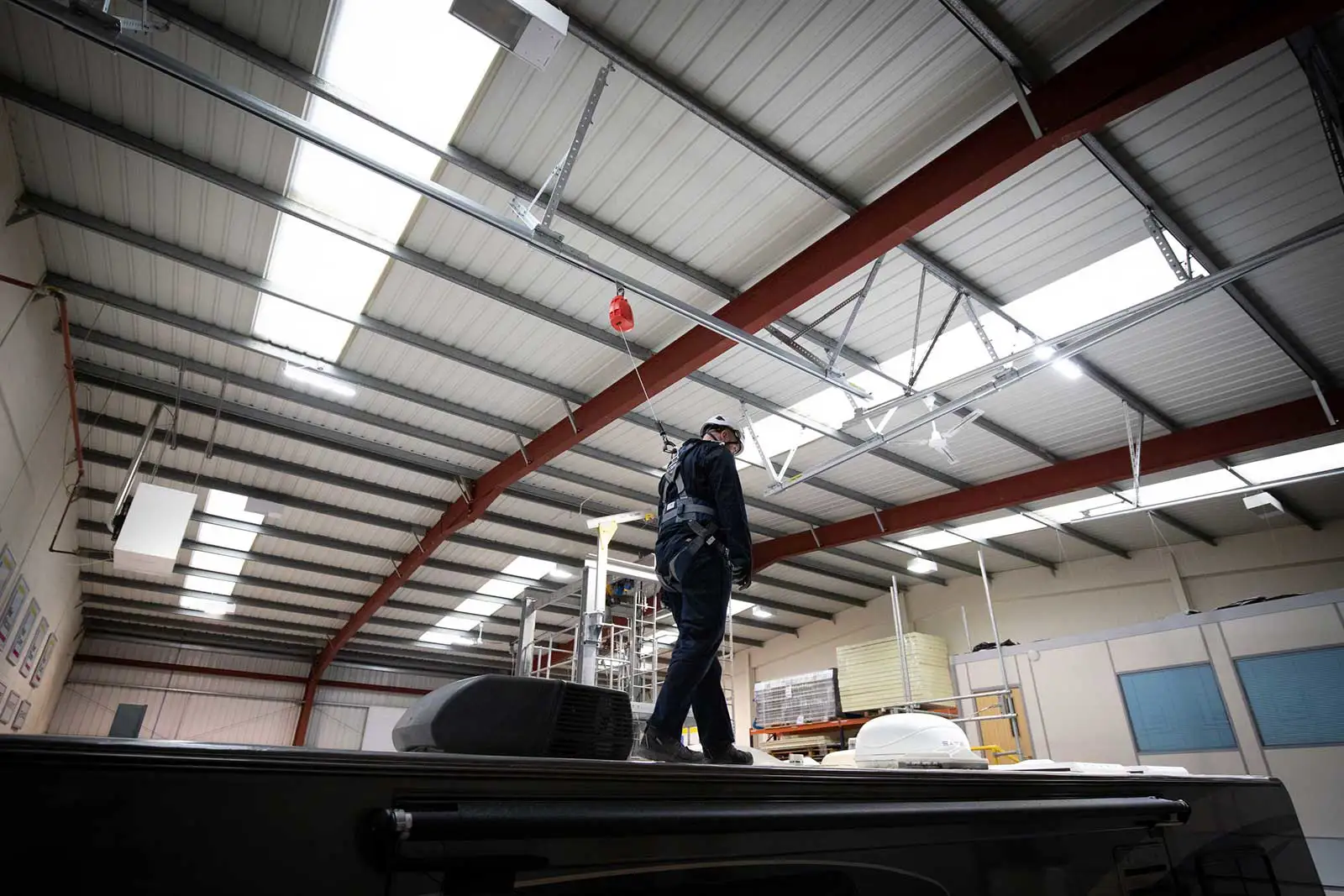
A Horizontal Lifeline is a fall protection system designed to allow workers to remain connected while moving horizontally across elevated workspaces. Unlike fixed anchor points that limit movement, a Horizontal Lifeline provides greater flexibility without sacrificing safety. The system typically consists of a cable or synthetic rope stretched between engineered anchor points that support one or more authorized users. Workers connect to the lifeline through approved lanyards, self-retracting devices, or other compatible personal fall arrest equipment. This setup helps minimize the need to disconnect and reconnect while changing work positions, reducing opportunities for human error. Horizontal Lifeline systems are commonly used where employees must travel long distances along rooftops, scaffolding, platforms, or structural steel. By maintaining continuous protection, these systems help organizations improve both workplace safety and operational efficiency.
How a Horizontal Lifeline Works
A Horizontal Lifeline works by creating a secure path that allows workers to move safely while remaining attached to a fall protection system. The lifeline is secured between carefully engineered anchor points capable of withstanding significant loads generated during a fall. Workers wear a full-body harness connected to the lifeline using compatible connectors or self-retracting devices. If a fall occurs, the system distributes impact forces across the anchors while integrated energy absorbers help reduce the forces transmitted to both the worker and the structure. Proper system tension is essential because excessive slack or over-tightening can negatively affect performance during an emergency. Every component must work together as a complete system to provide reliable protection. Understanding how these elements interact helps workers appreciate why proper installation and regular inspections are so important.
Types of Horizontal Lifeline Systems
There are several types of Horizontal Lifeline systems available to meet different workplace requirements. Permanent systems are installed for facilities where elevated work occurs regularly, providing long-term protection and convenient access. Temporary Horizontal Lifeline systems are ideal for short-term construction projects, maintenance work, and inspections where permanent installations are unnecessary. Engineered cable systems offer exceptional durability and are commonly selected for demanding industrial environments. Synthetic rope systems provide lightweight portability and are often easier to transport between job sites. Some systems feature single-span designs for straightforward applications, while others use multiple spans with intermediate anchors to accommodate larger structures. Choosing the correct Horizontal Lifeline depends on worksite conditions, user capacity, environmental exposure, and project duration.
Key Components of a Horizontal Lifeline
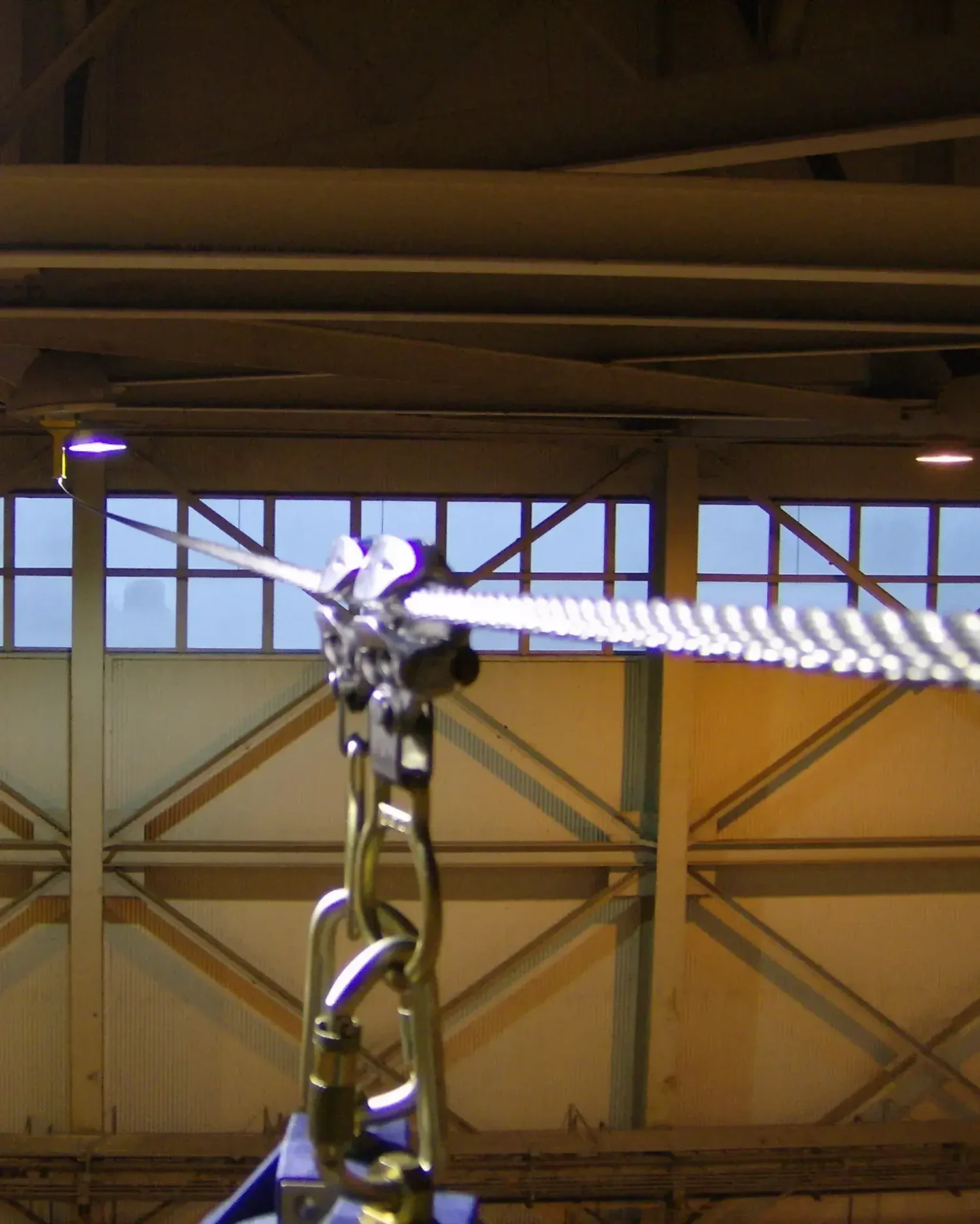
Every Horizontal Lifeline consists of multiple components designed to function together as an integrated fall protection solution. End anchors serve as the primary structural attachment points that support the lifeline during normal use and potential fall events. Intermediate anchors provide additional support for longer spans while reducing cable deflection. The lifeline itself may be made from galvanized steel cable, stainless steel cable, or specially engineered synthetic rope depending on the application. Energy absorbers reduce impact forces generated during a fall, helping protect both workers and structural anchors. Turnbuckles or tensioning devices maintain the correct cable tension required for safe operation. Connectors, travelers, and compatible personal protective equipment complete the system, ensuring workers remain securely attached throughout their tasks.
Where Horizontal Lifeline Systems Are Commonly Used
The versatility of a Horizontal Lifeline makes it suitable for many industries where working at heights is unavoidable. Construction companies rely on these systems during structural steel erection, concrete work, and building maintenance. Roofing contractors install Horizontal Lifeline systems to provide continuous protection while moving across large roof surfaces. Bridge inspection and maintenance crews benefit from improved mobility while performing detailed evaluations of transportation infrastructure. Manufacturing facilities use permanent systems to protect maintenance personnel working on elevated machinery and overhead equipment. Utility companies depend on Horizontal Lifeline systems during power distribution and transmission maintenance. Telecommunications professionals frequently use these systems while servicing towers and rooftop communication equipment. Oil and gas facilities also utilize Horizontal Lifeline solutions to protect workers operating on elevated platforms and processing structures.
Benefits of Installing a Horizontal Lifeline System
Investing in a Horizontal Lifeline offers numerous benefits beyond basic fall protection. Continuous attachment allows workers to move efficiently across elevated work areas without repeatedly disconnecting from safety equipment. This increased mobility often improves productivity because workers spend less time repositioning fall protection devices. Properly engineered systems also help organizations demonstrate their commitment to workplace safety and regulatory compliance. Reduced exposure to fall hazards can lower the likelihood of costly workplace injuries and operational disruptions. Workers generally feel more confident when they know they are protected by dependable safety systems, allowing them to focus more effectively on their tasks. Over time, the investment in a quality Horizontal Lifeline system can contribute to lower accident-related costs, improved morale, and stronger overall safety performance.
Choosing the Right Horizontal Lifeline
Selecting the appropriate Horizontal Lifeline requires careful evaluation of several important factors. Employers should first assess the work environment, including the structure, available anchor locations, and potential fall hazards. Understanding how many workers will use the system simultaneously is equally important because user capacity directly affects system design. Span length influences cable deflection and required anchor strength, making accurate engineering calculations essential. Environmental conditions such as moisture, corrosive chemicals, temperature fluctuations, and ultraviolet exposure should also influence material selection. Organizations must determine whether a temporary or permanent system best supports their operational needs. Working with qualified safety professionals ensures the selected Horizontal Lifeline meets performance requirements while providing dependable long-term protection.
Horizontal Lifeline Installation Essentials
Installing a Horizontal Lifeline involves much more than simply attaching a cable between two points. Every installation should begin with a detailed hazard assessment to identify structural capabilities and workplace risks. Qualified engineers or competent persons should verify that anchor points can safely support anticipated loads during a fall event. Proper cable tension must be established according to manufacturer specifications because incorrect tension can significantly affect system performance. Each component should be installed exactly as designed, using only compatible hardware and approved equipment. Before workers begin using the system, a complete inspection should verify that every element functions correctly. Thorough documentation of installation procedures and inspections helps maintain accountability while supporting ongoing safety compliance.
Inspection and Maintenance Best Practices
Routine inspection and maintenance are essential for ensuring every Horizontal Lifeline remains dependable throughout its service life. Workers should perform visual inspections before each use to identify damaged cables, loose hardware, corrosion, or signs of excessive wear. Scheduled inspections conducted by qualified personnel provide a more detailed evaluation of structural integrity and equipment condition. Cleaning the system according to manufacturer recommendations helps remove contaminants that could accelerate deterioration. Proper storage of removable components extends equipment life while reducing unnecessary damage during transportation. Any component that has experienced a fall event or displays significant wear should be removed from service immediately and replaced. Consistent inspection records provide valuable documentation that supports workplace safety programs and demonstrates responsible equipment management.
Safety Standards and Regulatory Considerations
Every Horizontal Lifeline should comply with applicable workplace safety regulations and recognized engineering standards. Employers are responsible for ensuring fall protection systems are properly designed, installed, inspected, and maintained throughout their operational life. Manufacturer instructions should always be followed because every system has unique design specifications and performance limitations. Qualified installers and competent inspectors play an essential role in verifying that installations meet required safety expectations. Workers should receive comprehensive training on equipment use, hazard recognition, emergency procedures, and inspection practices before using any Horizontal Lifeline. Ongoing refresher training helps reinforce safe work habits while addressing changes in equipment or workplace conditions. A strong commitment to compliance protects workers while reducing organizational risk.
Common Mistakes to Avoid
Even the most advanced Horizontal Lifeline cannot provide reliable protection if it is used improperly. One common mistake involves connecting incompatible personal fall protection equipment that was not designed to function with the installed system. Another frequent issue is exceeding the maximum number of approved users, creating unsafe loading conditions during a fall event. Ignoring routine inspections can allow damaged components to remain in service until a serious failure occurs. Improper anchor selection or unauthorized modifications may compromise the structural integrity of the entire system. Workers sometimes overlook the importance of maintaining proper cable tension, reducing the effectiveness of the Horizontal Lifeline during emergencies. Failing to provide regular training also increases the likelihood of unsafe practices. Avoiding these common errors helps maximize both worker safety and equipment performance.
Best Practices for Maximizing Workplace Safety
Organizations achieve the greatest value from a Horizontal Lifeline when it becomes part of a comprehensive fall protection program. Regular hazard assessments help identify changing workplace conditions before they create unnecessary risks. Providing workers with practical training encourages confidence and promotes consistent compliance with safety procedures. Emergency rescue plans should be developed and practiced so employees understand exactly how to respond if a fall occurs. Equipment inspections should be documented carefully to support preventive maintenance and demonstrate regulatory compliance. Encouraging employees to report hazards and damaged equipment strengthens the organization’s overall safety culture. Continuous improvement through training, inspections, and proactive planning ensures the Horizontal Lifeline remains an effective component of workplace fall protection.
Frequently Asked Questions
What is a Horizontal Lifeline used for?
A Horizontal Lifeline is used to provide continuous fall protection for workers moving across elevated work areas such as rooftops, bridges, industrial platforms, and construction sites. It allows workers to remain connected while performing their tasks safely.
How is a Horizontal Lifeline different from a vertical lifeline?
A Horizontal Lifeline allows movement across a horizontal path, while a vertical lifeline is designed for climbing or descending. Each system serves different work applications and should be selected based on the job requirements.
Can a Horizontal Lifeline be installed temporarily?
Yes. Temporary Horizontal Lifeline systems are widely used for construction projects, maintenance work, inspections, and other short-duration activities where permanent systems are unnecessary.
How often should a Horizontal Lifeline be inspected?
Workers should visually inspect the system before every use, while qualified personnel should perform more comprehensive inspections at scheduled intervals according to manufacturer recommendations and workplace safety policies.
What equipment is compatible with a Horizontal Lifeline system?
Compatible equipment may include full-body harnesses, self-retracting lifelines, energy-absorbing lanyards, connectors, and travelers specifically approved by the system manufacturer.
Can multiple workers use the same Horizontal Lifeline?
Many Horizontal Lifeline systems are designed for multiple users, but only within the manufacturer’s specified capacity. Exceeding the approved number of users can compromise safety.
What factors should be considered before installing a Horizontal Lifeline?
Important considerations include structural strength, anchor placement, span length, worker capacity, environmental conditions, equipment compatibility, engineering requirements, and applicable safety regulations.
Takeaway
A Horizontal Lifeline is one of the most valuable investments organizations can make to protect employees who work at heights. By providing continuous fall protection, improving worker mobility, and supporting regulatory compliance, these systems contribute to safer and more productive job sites. Choosing the appropriate system, ensuring professional installation, performing regular inspections, and delivering thorough worker training are all essential for maximizing performance. When integrated into a comprehensive fall protection program, a Horizontal Lifeline helps reduce workplace risks while promoting a culture where safety remains a top priority every day.