


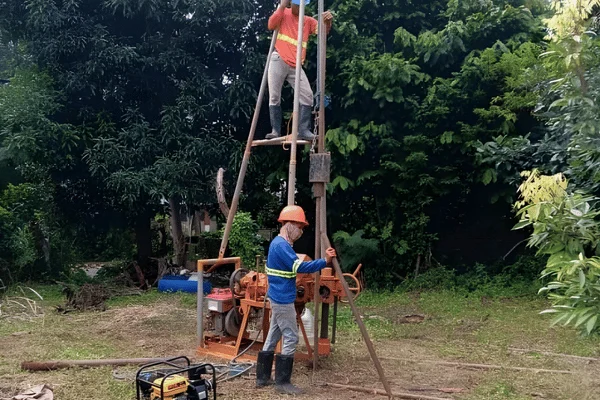



Foundation stability is the backbone of any construction project. Whether it is a towering high-rise, a bridge, or an industrial facility, the integrity of deep foundation piles determines the overall safety and durability of the structure. Pile failures can result in costly repairs, project delays, and serious safety risks. Ensuring that every pile meets quality and load-bearing standards is crucial for reliable construction. This is where Pile Integrity and Pile Dynamic Test services play a critical role.
These tests evaluate the condition and performance of foundation piles, providing engineers and project managers with the information needed to make informed decisions. By identifying defects, assessing load capacity, and verifying structural performance, Pile Integrity and Pile Dynamic Test ensures foundations are capable of supporting structures for decades without issues.
What is Pile Integrity Testing (PIT)?
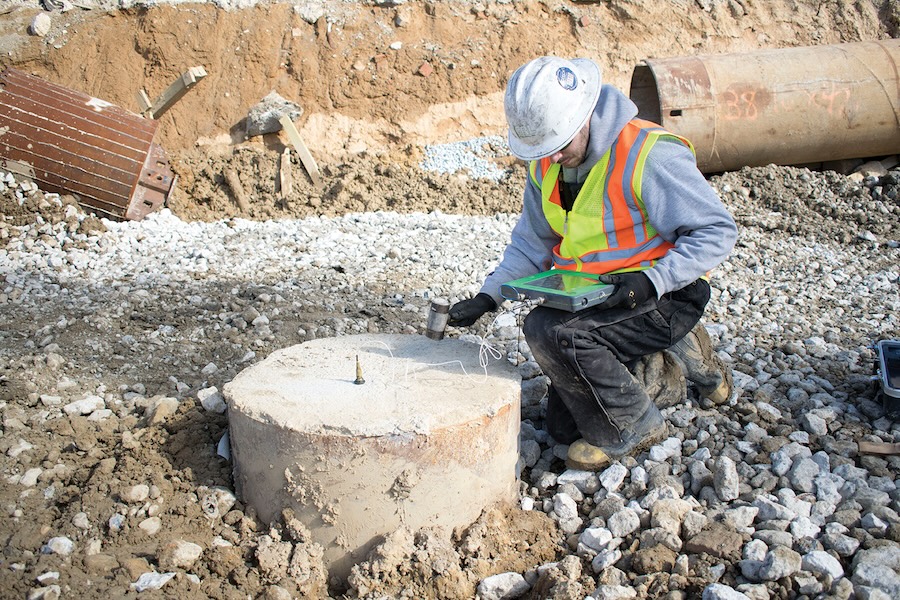
Pile Integrity Testing, commonly known as PIT, is a non-destructive evaluation method that examines the condition of deep foundation piles. The process involves sending mechanical or sonic waves through a pile to detect discontinuities, cracks, voids, or variations in cross-section. Results allow engineers to assess whether a pile meets the design specifications and structural requirements.
PIT is particularly valuable because it can detect issues that may not be visible from the surface. For example, a pile may appear perfectly installed above ground but contain voids or cracks below the surface that compromise its load-bearing capacity. Conducting Pile Integrity and Pile Dynamic Test early in construction helps prevent structural failures and costly repairs later on.
Applications of PIT include high-rise buildings, bridges, industrial complexes, and other projects requiring deep foundations. By combining this method with other testing procedures, construction teams can obtain a complete view of foundation health, supporting safer and more efficient project planning.
Understanding Pile Dynamic Analysis (PDA)
Pile Dynamic Analysis, or PDA, is a high-strain testing method that measures the performance and load-bearing capacity of piles under dynamic conditions. Unlike static load tests, PDA evaluates how piles respond to sudden or variable loads, simulating real-world stresses that occur during a structure’s lifecycle.
The process involves striking the top of the pile with a hammer or drop weight while monitoring stress waves with specialized sensors. Data collected during a Pile Integrity and Pile Dynamic Test allows engineers to calculate pile capacity, resistance, and energy dissipation characteristics. This information is essential for verifying that piles can safely support the intended loads without excessive settlement or failure.
PDA also provides insights into the interaction between soil and pile. Variations in resistance along the length of the pile indicate soil inconsistencies, which can inform soil improvement measures or pile redesign. High-strain dynamic testing has become a standard practice for large-scale projects because it combines speed, accuracy, and cost-effectiveness compared to traditional static load tests.
Why Testing Matters for Construction Projects
Skipping pile evaluation can result in structural risks and financial losses. A single defective pile can compromise an entire foundation, leading to uneven settlement, structural cracks, or catastrophic failure. Conducting a comprehensive Pile Integrity and Pile Dynamic Test reduces these risks, allowing project teams to address issues before they escalate.
Pile testing also ensures compliance with local and international construction standards. Standards such as ASTM and AASHTO define strict criteria for material quality, load-bearing capacity, and pile performance. By following these standards, construction projects maintain safety, durability, and regulatory compliance.
Reliable pile testing improves long-term performance. Properly tested piles resist environmental stresses, load variations, and soil movements, enhancing the lifespan of structures. Clients benefit from reduced maintenance costs, fewer repairs, and confidence in the structural integrity of their investment.
How Inch-On Materials Testing Laboratory Conducts PIT and PDA
Inch-On Materials Testing Laboratory, a DPWH-BRS accredited laboratory, specializes in delivering precise and dependable Pile Integrity and Pile Dynamic Test services across the Philippines. Established in November 2018, Inch-On has built a reputation for thoroughness, accuracy, and technical expertise in soil, concrete, and foundation testing.
For PIT, Inch-On uses advanced non-destructive testing equipment that produces accurate readings on pile condition. High-resolution data identifies cracks, voids, and irregularities along the length of each pile. Technicians interpret these results and provide detailed reports that help engineers make decisions about reinforcement, replacement, or additional monitoring.
For PDA, Inch-On employs state-of-the-art dynamic testing instruments capable of capturing stress waves during high-strain events. Sensors measure pile resistance and energy absorption, allowing precise calculations of load-bearing capacity and overall performance. The combination of PIT and PDA provides a holistic understanding of pile quality, enabling safe and efficient construction management.
The laboratory team also conducts in-situ testing for soil and concrete, ensuring that all aspects of foundation integrity are verified. By following ASTM and AASHTO standards, Inch-On guarantees that each Pile Integrity and Pile Dynamic Test delivers results that are accurate, reliable, and actionable for engineers and project stakeholders.
Benefits of PIT and PDA for Clients
Clients who engage professional Pile Integrity and Pile Dynamic Test services gain multiple advantages. First, these tests confirm that foundation piles are installed correctly and capable of supporting the intended loads. This verification is critical for high-rise buildings, industrial facilities, and bridges, where structural failure is not an option.
Second, PIT and PDA reduce the risk of unforeseen issues during construction or later in the building lifecycle. Identifying defects early prevents costly rework, project delays, and potential safety hazards.
Third, clients gain confidence in regulatory compliance. Construction projects must meet stringent local and international standards to ensure safety and legal compliance. Documented testing results from an accredited laboratory like Inch-On serve as proof of adherence to these standards.
Finally, Pile Integrity and Pile Dynamic Test provide actionable data for decision-making. Engineers can adjust designs, strengthen piles, or improve soil conditions based on test results. This proactive approach ensures that projects are delivered safely, efficiently, and within budget.
Takeaway
Foundation safety is critical for every construction project, and the integrity of piles is central to structural stability. Conducting Pile Integrity and Pile Dynamic Test ensures that piles are free from defects, capable of supporting design loads, and compliant with international standards.
Accredited laboratories like Inch-On Materials Testing Laboratory provide accurate and actionable results through advanced testing techniques, technical expertise, and adherence to ASTM and AASHTO standards. By investing in thorough pile evaluation, developers, engineers, and project managers protect their structures, budgets, and the safety of occupants.
FAQ
What is the difference between PIT and PDA?
PIT evaluates the physical condition of piles to detect defects, while PDA assesses performance and load-bearing capacity under dynamic stress conditions. Both tests complement each other in ensuring foundation integrity.
How long does a Pile Integrity and Pile Dynamic Test take?
Testing time varies by project size and number of piles, but high-strain dynamic testing (PDA) is generally faster than static load tests, providing accurate results efficiently.
Are these tests required by law?
While specific regulations vary, compliance with ASTM and AASHTO standards is often required for high-rise, industrial, and infrastructure projects. Accredited testing ensures legal and regulatory standards are met.
Can PIT detect all pile defects?
PIT is highly effective at identifying cracks, voids, and irregularities, but some internal defects may require complementary PDA or other testing methods for complete evaluation.
Why choose Inch-On Materials Testing Laboratory for pile testing?
Inch-On is DPWH-BRS accredited, follows ASTM and AASHTO standards, and offers comprehensive PIT and PDA services with advanced equipment and expert technicians across the Philippines.