









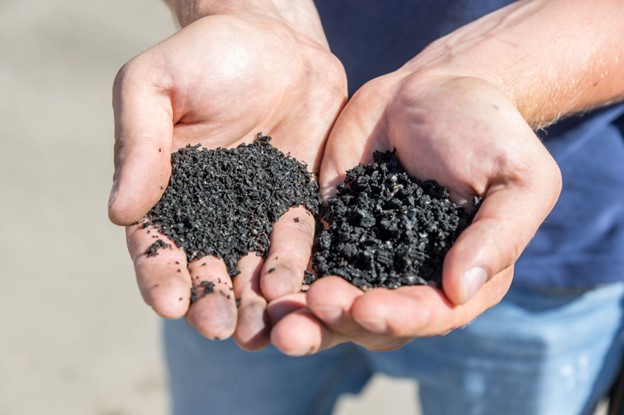
Asphalt plays a crucial role in modern transportation and construction, forming the surface layer of roads, highways, parking lots, and airport runways. The performance and longevity of asphalt pavements depend heavily on the quality of materials and the precision of their preparation. Testing asphalt in both laboratory and field settings guarantees that every mix can withstand heavy traffic, environmental stress, and long-term wear. Professionals and project managers rely on rigorous testing standards to confirm the strength and durability of asphalt before it is applied on construction sites.
Understanding Asphalt
Asphalt is a bituminous material widely used for pavement construction. It comes in several types, including asphalt cement, cutbacks, and emulsions, each with unique properties that suit different applications. Asphalt cement is a highly viscous form of asphalt that binds aggregates together to form strong, durable pavement. Cutbacks are asphalt cement diluted with solvents, allowing easier handling and faster application in certain projects. Emulsions are asphalt mixed with water and an emulsifying agent, providing environmentally friendly options for road construction and maintenance.
The performance of asphalt depends on key properties such as viscosity, adhesion, and temperature susceptibility. Viscosity affects how well asphalt flows and coats aggregates, while adhesion determines how tightly the asphalt binds with the base materials. Temperature susceptibility influences the asphalt’s ability to resist cracking in cold climates and softening in high heat. Proper mix design and quality control are critical to achieving asphalt that meets project requirements and delivers long-term reliability.
The Role of Asphalt Testing
Testing asphalt ensures that pavements remain durable under traffic loads and environmental conditions. Laboratory testing evaluates the physical and chemical properties of asphalt materials to confirm consistency, performance, and compliance with industry standards. Core ASTM standards guide the evaluation of asphalt, covering tests for viscosity, penetration, ductility, and softening point. These tests help determine how asphalt will perform over time and under varying conditions.
Laboratory testing benefits construction projects by preventing premature pavement failure, reducing maintenance costs, and ensuring safety. Asphalt that undergoes rigorous testing provides predictable performance, minimizing the risk of cracking, rutting, or deformation under heavy traffic. Field testing complements laboratory evaluations by assessing asphalt behavior on actual construction sites, verifying that the pavement performs as expected under real-world conditions.
Inch-On Materials Testing Laboratory: Expertise in Asphalt
Inch-On Materials Testing Laboratory is a DPWH-BRS accredited engineering and construction laboratory established in 2018. The laboratory specializes in the testing of soil, concrete, asphalt, and foundation piles to ensure the quality and reliability of construction materials. Inch-On operates as an independent facility committed to providing precise, standardized testing services using advanced equipment and methodologies.
Expertise in asphalt testing is a cornerstone of Inch-On’s services. Laboratory procedures follow ASTM and AASHTO standards, delivering accurate assessments of asphalt properties. Engineers and project managers rely on Inch-On to confirm that asphalt mixes meet specifications, ensuring safe, durable, and long-lasting pavements.
Laboratory Testing Services for Asphalt
Laboratory testing services for asphalt focus on evaluating physical and chemical characteristics critical to pavement performance. Asphalt samples are prepared and analyzed using state-of-the-art equipment that measures viscosity, penetration, softening point, and ductility. These tests confirm that asphalt materials meet project requirements and perform well under anticipated traffic loads and environmental conditions.
Asphalt laboratory testing verifies the quality of materials before they are used on construction sites. Testing ensures that mixes are properly designed to resist rutting, cracking, and stripping. Laboratory results provide engineers with essential data to optimize asphalt blends, balance cost-effectiveness, and improve long-term pavement performance. Reliable testing supports better decision-making and enhances the overall quality of construction projects.
Field Testing for Asphalt Performance
Field testing assesses the performance of asphalt on-site after placement. These evaluations measure compaction, density, and surface uniformity to verify that the pavement meets design specifications. Field testing is essential for confirming that asphalt maintains strength, durability, and stability under real-world conditions.
By conducting on-site asphalt tests, project teams identify potential issues early, allowing adjustments to materials or construction techniques before problems develop. Field testing complements laboratory analysis, creating a comprehensive understanding of asphalt performance. This combination ensures that pavements meet safety, regulatory, and engineering standards while providing long-lasting service.
Common Asphalt Issues and How Testing Helps
Asphalt pavements can face issues such as rutting, cracking, stripping, and surface deformation. Rutting occurs when repeated traffic loads cause depressions in the wheel paths. Cracking can result from temperature fluctuations, aging, or poor mix design. Stripping happens when asphalt loses adhesion to aggregates, often due to moisture intrusion.
Laboratory and field testing help identify these vulnerabilities before asphalt is applied to a project. By measuring properties like viscosity, penetration, and adhesion, engineers can select the right materials and modify mixes to improve performance. Field tests ensure that construction practices achieve proper compaction and uniformity, reducing the likelihood of failures. Regular testing is a proactive approach to maintaining high-quality asphalt pavements.
Benefits of Professional Asphalt Testing
Professional asphalt testing offers multiple advantages:
- Ensures compliance with ASTM and AASHTO standards
- Confirms that materials meet project specifications
- Reduces long-term maintenance and repair costs
- Improves pavement safety and reliability
- Provides engineers with data to optimize asphalt mixes
Choosing a laboratory with expertise and advanced testing equipment enhances the overall quality and durability of asphalt pavements. Inch-On Materials Testing Laboratory combines precise laboratory analysis with field evaluations to deliver reliable results for every project.
Takeaway
Asphalt quality determines the performance, safety, and lifespan of pavements. Thorough laboratory and field testing ensures that asphalt materials meet required standards and perform as expected under heavy traffic and environmental stress. Inch-On Materials Testing Laboratory provides professional testing services backed by DPWH-BRS accreditation, helping engineers, contractors, and project managers achieve long-lasting, reliable asphalt pavements.
For projects requiring high-quality asphalt evaluation, Inch-On offers precise laboratory analysis, on-site field testing, and expert guidance to maintain the integrity and durability of every pavement installation.
FAQ
What is asphalt testing and why is it important?
Asphalt testing evaluates physical and chemical properties of asphalt to ensure durability, safety, and compliance with project specifications. It prevents failures such as cracking, rutting, and stripping.
What types of asphalt does Inch-On test?
Inch-On tests asphalt cement, cutbacks, and emulsions to determine viscosity, adhesion, and overall performance for construction projects.
How does laboratory testing differ from field testing?
Laboratory testing analyzes asphalt properties in a controlled environment, while field testing evaluates performance directly on construction sites. Both are essential for reliable pavement performance.
What standards guide asphalt testing?
Testing follows ASTM and AASHTO standards, providing industry-recognized methods to ensure consistency, accuracy, and material quality.
Can asphalt testing help prevent pavement failures?
Yes. Testing identifies potential issues in asphalt mixes and construction practices, allowing corrective measures that improve pavement longevity and safety.