


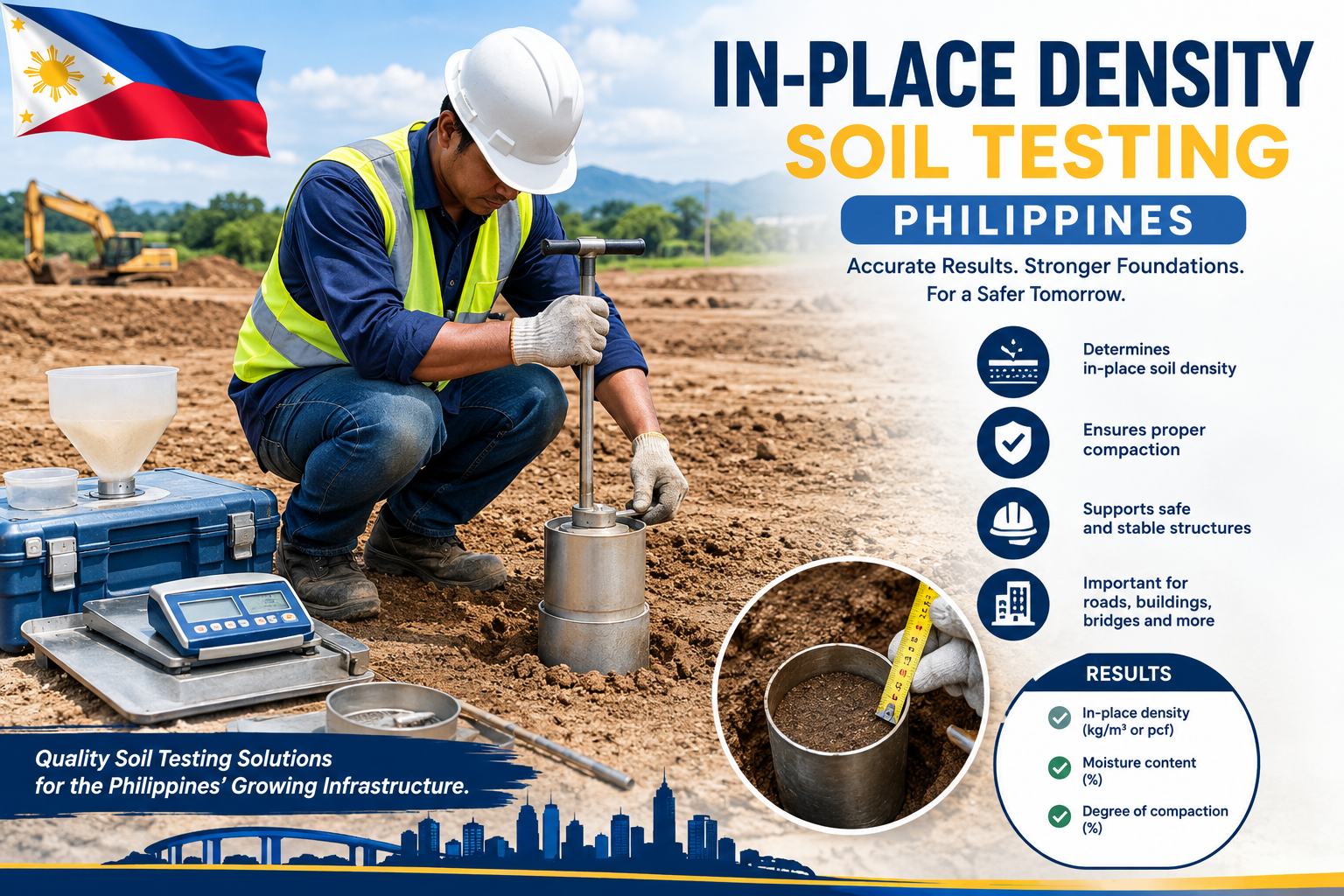



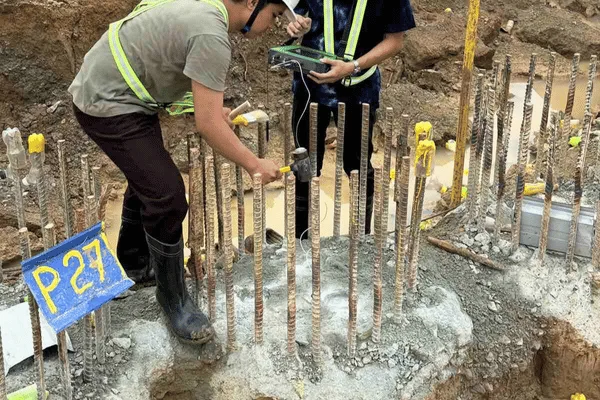
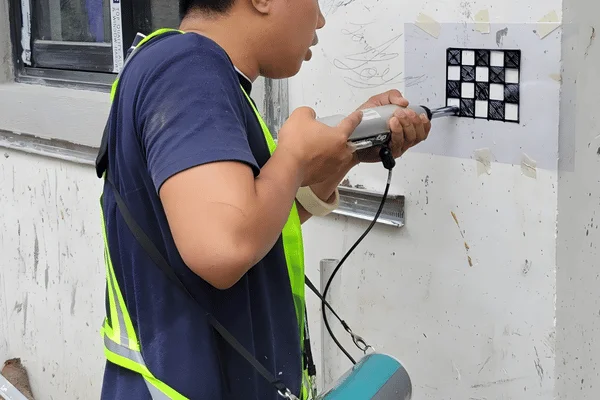


Personal Protective Gear plays a vital role in creating safer workplaces and protecting individuals from preventable injuries. Whether working in construction, healthcare, manufacturing, laboratories, or warehouses, using the right protective equipment significantly reduces the risks associated with daily tasks. Personal Protective Gear serves as the final barrier between workers and potential hazards when engineering controls or administrative measures cannot eliminate risks entirely. As workplace environments continue to evolve, employers and employees alike must understand the importance of selecting, wearing, and maintaining appropriate protective equipment. Proper use of Personal Protective Gear not only supports regulatory compliance but also promotes confidence and productivity in the workplace. Investing in high-quality protective equipment demonstrates a commitment to employee well-being and long-term operational success. Understanding the various types of protective gear and their intended applications helps ensure that every task is completed as safely as possible.
Understanding the Different Types of Personal Protective Gear
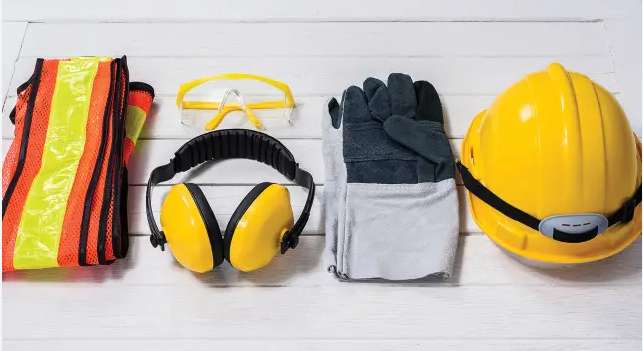
Personal Protective Gear comes in many forms because workplace hazards vary across industries and job responsibilities. Head protection, such as hard hats and safety helmets, shields workers from falling objects and accidental impacts. Eye and face protection, including safety glasses, goggles, and face shields, helps prevent injuries caused by flying debris, chemicals, sparks, and dust. Hearing protection devices like earplugs and earmuffs reduce the risk of permanent hearing damage in noisy work environments. Respiratory protection includes disposable masks, respirators, and powered air-purifying systems that help protect workers from airborne contaminants. Hand protection ranges from disposable gloves to chemical-resistant and cut-resistant gloves, while safety footwear protects against punctures, heavy impacts, slips, and electrical hazards. Body protection, high-visibility clothing, flame-resistant garments, and fall protection equipment complete the range of Personal Protective Gear designed to keep workers safe in diverse environments.
Common Workplace Hazards That Require Personal Protective Gear
Every workplace presents unique hazards that require appropriate Personal Protective Gear. Construction sites often expose workers to falling tools, heavy machinery, and airborne dust that can cause serious injuries without adequate protection. Manufacturing facilities frequently involve sharp objects, moving machinery, high temperatures, and chemical exposure that require specialized protective equipment. Healthcare professionals rely on Personal Protective Gear to reduce exposure to infectious diseases and biological hazards during patient care. Laboratories often contain hazardous chemicals and substances that demand respiratory protection, protective clothing, and eye protection. Warehouses present risks associated with lifting equipment, forklift traffic, and falling inventory that make safety footwear and high-visibility clothing essential. Even office maintenance staff and facility personnel may encounter situations where gloves, protective eyewear, or hearing protection become necessary. Recognizing workplace hazards is the first step toward selecting the right Personal Protective Gear for every task.
Industries That Depend on Personal Protective Gear
Many industries rely heavily on Personal Protective Gear to maintain safe working environments. Construction companies require workers to wear hard hats, reflective vests, safety boots, and fall protection systems on active job sites. Healthcare professionals depend on gloves, masks, gowns, and face shields while caring for patients and handling medical procedures. Manufacturing facilities utilize protective gloves, safety glasses, hearing protection, and respirators to reduce workplace injuries. Oil and gas operations require specialized flame-resistant clothing and respiratory equipment due to hazardous working conditions. Agricultural workers often wear protective clothing and gloves while handling machinery, pesticides, and livestock. Food processing facilities rely on protective clothing that supports both worker safety and hygiene standards. Emergency responders also depend on advanced Personal Protective Gear designed to perform under demanding and unpredictable conditions.
How to Choose the Right Personal Protective Gear
Selecting the right Personal Protective Gear begins with identifying the specific hazards present in the work environment. Employers should conduct thorough risk assessments before determining which protective equipment employees need. Proper fit is essential because oversized or undersized equipment may reduce protection and increase discomfort during long work shifts. Comfort should also be considered, as workers are more likely to wear Personal Protective Gear consistently when it fits properly and allows natural movement. Materials should be durable enough to withstand workplace conditions while remaining suitable for the intended task. Buyers should verify that products meet recognized safety standards and certifications applicable to their industry. Training employees on proper selection and usage ensures that Personal Protective Gear delivers the highest level of protection possible.
Essential Features to Look for in High-Quality Personal Protective Gear
High-quality Personal Protective Gear should combine safety, durability, and comfort without sacrificing performance. Certified products provide confidence that equipment has been tested against recognized safety requirements. Durable materials help protective gear withstand repeated use in challenging environments while maintaining its protective capabilities. Adjustable straps, ergonomic designs, and lightweight construction improve comfort during extended work periods. Breathable fabrics and moisture-management features reduce discomfort in warm working conditions and encourage consistent use. Compatibility between different types of Personal Protective Gear is equally important, allowing workers to wear multiple protective items without interference. Investing in reliable equipment often reduces replacement costs and supports long-term workplace safety initiatives.
Proper Use of Personal Protective Gear
Owning Personal Protective Gear is only effective when it is worn correctly and consistently. Workers should inspect each piece of equipment before use to identify signs of damage, excessive wear, or contamination. Protective gear should always be worn according to the manufacturer’s instructions to ensure maximum effectiveness. Employees should never modify helmets, respirators, gloves, or other equipment because alterations may weaken their protective capabilities. Supervisors should reinforce proper PPE practices through ongoing training and regular safety reminders. Workers must understand that Personal Protective Gear supplements workplace safety measures rather than replacing safe work practices. Developing consistent habits helps create a workplace culture where safety becomes part of every daily routine.
Cleaning, Maintenance, and Storage Best Practices
Maintaining Personal Protective Gear properly extends its lifespan and preserves its protective qualities. Equipment should be cleaned according to manufacturer recommendations after each use or whenever contamination occurs. Reusable protective gear should be inspected regularly for cracks, tears, worn straps, damaged fasteners, or other defects that may reduce effectiveness. Clean, dry storage areas help prevent unnecessary wear caused by moisture, sunlight, chemicals, or excessive heat. Disposable items should never be reused beyond their intended purpose or service life. Organizations should establish scheduled inspection and replacement programs to ensure employees always have dependable equipment available. Proper maintenance not only protects workers but also helps businesses maximize the value of their safety investments.
Common Mistakes People Make When Using Personal Protective Gear
Even the highest-quality Personal Protective Gear cannot provide adequate protection if used improperly. One common mistake is choosing equipment that does not match the hazards of the job. Workers sometimes neglect proper fitting, resulting in protective gear that shifts during use or leaves exposed areas vulnerable to injury. Skipping equipment inspections before each shift may allow damaged items to remain in service longer than they should. Some employees remove protective equipment temporarily because of discomfort, exposing themselves to unnecessary risks even for short periods. Others fail to replace worn-out equipment despite visible signs of deterioration. Continuous safety education helps workers recognize these common mistakes and reinforces the importance of using Personal Protective Gear correctly every day.
Safety Standards and Certifications to Know
Safety standards provide confidence that Personal Protective Gear has been evaluated for performance and reliability. Organizations should purchase equipment that complies with recognized standards relevant to their industry and job requirements. Employers often rely on certifications to verify that products meet established testing criteria for impact resistance, chemical protection, respiratory performance, or electrical safety. Compliance with applicable regulations also helps businesses meet workplace safety obligations while reducing liability risks. Workers should become familiar with labels, markings, and certification information found on their protective equipment. Staying informed about evolving standards helps organizations maintain effective safety programs as technologies continue to improve. Choosing certified Personal Protective Gear supports both regulatory compliance and worker confidence.
Benefits of Investing in Quality Personal Protective Gear
Investing in quality Personal Protective Gear benefits employees and employers alike. Reliable protective equipment significantly reduces the likelihood of workplace injuries, resulting in safer working environments and improved employee morale. Fewer injuries often lead to lower medical expenses, reduced downtime, and fewer disruptions to daily operations. Employees who feel protected are generally more confident and productive while performing their responsibilities. High-quality equipment also lasts longer, providing better long-term value despite higher initial purchase costs. Organizations that prioritize Personal Protective Gear demonstrate a genuine commitment to employee health and workplace excellence. Strong safety practices contribute to a positive organizational culture where everyone shares responsibility for preventing accidents.
Emerging Innovations in Personal Protective Gear
Advancements in technology continue to improve Personal Protective Gear across many industries. Smart helmets equipped with communication systems and sensors help monitor worker safety in real time. Wearable technology can detect fatigue, environmental hazards, and dangerous working conditions before incidents occur. Lightweight composite materials provide strong protection while reducing physical strain during extended use. Cooling fabrics and moisture-management technologies improve comfort for employees working in hot environments. Sustainable materials are becoming increasingly popular as manufacturers develop environmentally responsible Personal Protective Gear without compromising performance. As innovation continues, protective equipment will become even more effective, comfortable, and adaptable to changing workplace needs.
Frequently Asked Questions
What is Personal Protective Gear?
Personal Protective Gear refers to equipment designed to protect individuals from workplace hazards that could cause injury or illness, including helmets, gloves, goggles, respirators, safety footwear, and protective clothing.
Why is Personal Protective Gear important?
It reduces the risk of injuries, protects against workplace hazards, supports regulatory compliance, and promotes a safer working environment.
Who should wear Personal Protective Gear?
Anyone exposed to workplace hazards, including construction workers, healthcare professionals, factory employees, laboratory personnel, warehouse staff, emergency responders, and maintenance workers.
How often should Personal Protective Gear be inspected?
Protective equipment should be inspected before every use and undergo regular scheduled inspections based on workplace safety policies.
Can damaged Personal Protective Gear still be used?
No. Damaged or worn equipment should be replaced immediately because it may no longer provide adequate protection.
How should Personal Protective Gear be stored?
It should be kept in a clean, dry location away from direct sunlight, excessive heat, moisture, and chemicals that could damage the materials.
What should employers do to ensure proper PPE use?
Employers should conduct hazard assessments, provide appropriate equipment, offer training, enforce safety policies, and replace damaged gear as needed.
Takeaway
Personal Protective Gear is one of the most valuable investments any organization or individual can make to reduce workplace risks and support long-term safety. Selecting the appropriate equipment for specific hazards, ensuring proper fit, and maintaining each item correctly all contribute to a safer work environment. Consistent training and regular inspections help workers develop safe habits that protect themselves and those around them. Employers who prioritize high-quality Personal Protective Gear foster stronger safety cultures while improving operational efficiency and regulatory compliance. As workplace technologies continue to advance, modern protective equipment offers greater comfort, durability, and performance than ever before. Making Personal Protective Gear an essential part of every task helps prevent injuries and creates healthier, more productive workplaces across every industry. Safety begins with preparation, and the right protective equipment remains a critical part of that commitment every single day.