

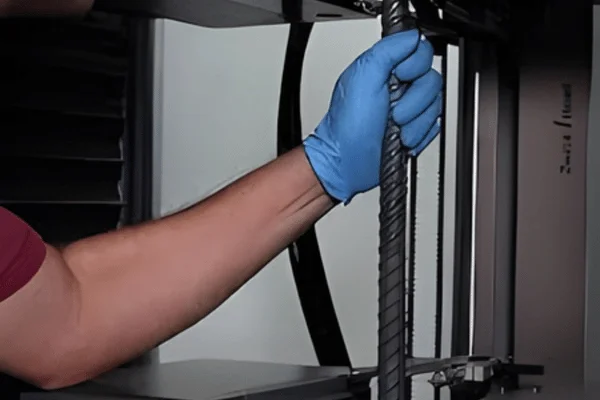
Reinforced Steel Bar Testing plays a critical role in modern construction projects where safety, durability, and structural performance are non-negotiable. Reinforced steel bars, commonly known as rebars, serve as the internal support system of reinforced concrete structures. Without proper testing and quality verification, steel materials may fail to meet project specifications, potentially compromising the integrity of buildings, bridges, roads, and other infrastructure.
Construction projects rely heavily on accurate material evaluation to ensure compliance with engineering standards and building regulations. Reinforced Steel Bar Testing helps verify whether steel products possess the required tensile strength, yield strength, ductility, and elongation necessary for safe structural application.
ASTM A370 serves as the internationally recognized standard for mechanical testing of steel products. Through standardized testing procedures, laboratories can determine whether reinforcing steel bars satisfy the required performance characteristics before they are approved for construction use.
What Is Reinforced Steel Bar Testing?
Reinforced Steel Bar Testing refers to the mechanical evaluation of reinforcing steel bars used in construction. The testing process measures the physical and mechanical properties of steel to determine whether the material meets required standards and project specifications.
Several important characteristics are evaluated during Reinforced Steel Bar Testing, including:
- Tensile strength
- Yield strength
- Elongation
- Ductility
- Material performance under stress
These tests help engineers, contractors, and project managers confirm that reinforcing steel bars can withstand the loads and forces expected throughout the lifespan of a structure.
Poor-quality steel materials may lead to cracking, deformation, or structural failure. Because of this, Reinforced Steel Bar Testing remains a vital part of construction quality assurance programs worldwide.
Importance of Reinforced Steel Bar Testing in Construction
Reinforced Steel Bar Testing directly contributes to the safety and reliability of structures. Reinforcing steel bars are responsible for absorbing tension forces within concrete members, making their quality extremely important for overall structural performance.
Construction materials exposed to excessive stress, environmental conditions, and seismic activity require careful evaluation before installation. Reinforced Steel Bar Testing helps detect defects, inconsistencies, or substandard steel grades that could affect structural stability.
Several construction sectors rely heavily on Reinforced Steel Bar Testing, including:
- Residential construction
- Commercial buildings
- Industrial facilities
- Bridges and highways
- High-rise developments
- Public infrastructure projects
Accurate testing also helps reduce costly repairs, construction delays, and safety risks caused by material failure.
ASTM A370 and Steel Testing Standards
ASTM A370 establishes the standard test methods and definitions for mechanical testing of steel products. Reinforced Steel Bar Testing performed according to ASTM A370 ensures consistency, accuracy, and compliance across construction projects.
The standard outlines procedures for evaluating:
- Tensile properties
- Yield point
- Elongation capacity
- Reduction of area
- Bend testing requirements
Testing laboratories following ASTM A370 maintain strict procedures to ensure reliable and repeatable results.
Reinforced Steel Bar Testing conducted under recognized international standards gives project owners and contractors greater confidence in the materials used for construction. Compliance with ASTM and AASHTO standards also supports regulatory approval and project documentation requirements.
Common Mechanical Tests Performed During Reinforced Steel Bar Testing
Tensile Strength Testing
Tensile strength testing measures the maximum amount of force a reinforcing steel bar can withstand before failure occurs. This process involves placing a steel specimen inside a Universal Testing Machine (UTM) and applying controlled tension until the material breaks.
Reinforced Steel Bar Testing for tensile strength helps determine whether steel products possess the required load-bearing capacity for structural applications.
Tensile strength evaluation remains one of the most critical aspects of construction material verification because reinforcing steel bars experience significant tension forces during structural loading.
Yield Strength Testing
Yield strength testing identifies the stress level at which steel begins to deform permanently. Once steel reaches its yield point, it cannot fully return to its original shape.
Reinforced Steel Bar Testing for yield strength helps engineers understand the structural limitations of reinforcing steel bars before permanent deformation occurs.
This information is particularly important for projects subjected to heavy loads or dynamic forces such as earthquakes and high wind conditions.
Elongation Testing
Elongation testing measures how much a reinforcing steel bar can stretch before fracturing. This test helps determine the ductility and flexibility of steel materials.
Reinforced Steel Bar Testing for elongation is especially valuable for structures located within seismic zones where flexibility plays a major role in preventing sudden structural collapse.
Steel materials with proper elongation properties can absorb energy more effectively during seismic events, helping reduce catastrophic damage.
Bend Testing
Bend testing evaluates the flexibility and integrity of reinforcing steel bars when subjected to bending forces. The steel specimen is bent to a specified angle to determine whether cracks or fractures develop.
Reinforced Steel Bar Testing through bend evaluation helps verify the durability and workability of steel materials during fabrication and installation.
Grade Verification Testing
Steel grade verification confirms whether reinforcing steel bars match the project requirements and mill certifications.
Common grades evaluated during Reinforced Steel Bar Testing include:
- Grade 40
- Grade 60
- Grade 75
Grade verification ensures that delivered materials satisfy engineering specifications and comply with construction standards.
Equipment Used for Reinforced Steel Bar Testing
Modern testing laboratories rely on advanced equipment to perform accurate Reinforced Steel Bar Testing procedures.
One of the most important pieces of equipment used during testing is the Universal Testing Machine (UTM). This machine applies controlled loads to steel specimens to evaluate their mechanical properties.
Calibrated testing equipment is essential for obtaining accurate and repeatable results. Proper calibration minimizes testing errors and ensures compliance with ASTM A370 standards.
Laboratories performing Reinforced Steel Bar Testing also maintain controlled testing environments to support reliable evaluations and consistent reporting.
Reinforced Steel Bar Testing and Seismic Safety
Earthquake-prone regions require construction materials capable of handling dynamic and unpredictable forces. Reinforced Steel Bar Testing helps determine whether steel products possess the ductility and flexibility necessary for seismic resistance.
Structures located in seismic zones depend on reinforcing steel bars that can absorb and redistribute energy during ground movement. Steel materials lacking sufficient ductility may fracture suddenly under stress, increasing the risk of structural collapse.
Reinforced Steel Bar Testing helps identify steel products suitable for earthquake-resistant construction by evaluating elongation, yield strength, and tensile properties.
This process supports safer infrastructure development and improved structural resilience during seismic events.
Benefits of Professional Reinforced Steel Bar Testing
Professional Reinforced Steel Bar Testing provides several advantages for contractors, engineers, developers, and project owners.
Improved Construction Safety
Testing helps identify substandard materials before installation, reducing structural risks and improving project safety.
Compliance With Building Standards
Reinforced Steel Bar Testing ensures compliance with ASTM, AASHTO, and local regulatory requirements.
Verification of Material Quality
Testing confirms that reinforcing steel bars meet project specifications and mill certifications.
Reduced Construction Delays
Fast laboratory reporting allows project teams to approve materials quickly and maintain construction schedules.
Better Quality Control
Consistent material evaluation improves construction quality assurance and supports long-term structural performance.
Role of Accredited Laboratories in Reinforced Steel Bar Testing
Accredited testing laboratories play a major role in maintaining construction quality standards. Independent laboratories provide unbiased evaluations of steel materials using standardized procedures and calibrated equipment.
Inch-On Materials Testing Laboratory performs Reinforced Steel Bar Testing according to ASTM and AASHTO standards to support safe and compliant construction projects.
Established in November 2018, Inch-On Materials Testing Laboratory provides both laboratory and field testing services for soil, concrete, foundation piles, and construction materials.
The laboratory is accredited by DPWH-BRS and follows internationally recognized testing procedures for accurate and reliable material evaluation.
Professional laboratories performing Reinforced Steel Bar Testing help contractors and engineers make informed decisions regarding material acceptance and structural safety.
Field Testing and Laboratory Testing for Steel Materials
Construction quality assurance often combines both field testing and laboratory testing procedures.
Field testing involves collecting steel samples directly from project sites for evaluation and verification. This process helps confirm that delivered materials match approved specifications.
Laboratory testing provides more controlled conditions for detailed mechanical analysis. Reinforced Steel Bar Testing conducted within a laboratory environment allows technicians to perform tensile testing, elongation evaluation, bend testing, and grade verification using advanced equipment.
Combining field and laboratory testing improves material traceability, quality assurance, and construction reliability.
Why Reinforced Steel Bar Testing Matters for Long-Term Structural Performance
Buildings and infrastructure projects are expected to remain safe and functional for decades. Reinforced Steel Bar Testing helps ensure that steel materials possess the durability and strength needed for long-term performance.
Substandard reinforcing steel bars may corrode, deform, or fail prematurely under environmental exposure and structural loads. Early detection through proper testing helps prevent expensive repairs and safety hazards later in the project lifecycle.
Reinforced Steel Bar Testing supports responsible construction practices by helping project teams maintain high material standards from the beginning of construction through project completion.
Reliable steel testing also strengthens public confidence in infrastructure safety and construction quality.
Choosing the Right Reinforced Steel Bar Testing Laboratory
Selecting a qualified testing laboratory is essential for obtaining accurate and dependable results.
Several factors should be considered when choosing a Reinforced Steel Bar Testing provider:
- Accreditation and certifications
- Compliance with ASTM A370 standards
- Availability of calibrated testing equipment
- Experience with construction material testing
- Speed and accuracy of reporting
- Qualified laboratory personnel
Working with an accredited laboratory helps ensure that testing procedures follow recognized industry standards and regulatory requirements.
Reliable Reinforced Steel Bar Testing supports safer construction practices, better quality assurance, and improved project outcomes.
Takeaway
Reinforced Steel Bar Testing remains a critical component of modern construction quality assurance. Accurate testing helps verify the strength, flexibility, and reliability of reinforcing steel bars before they are incorporated into structural systems.
ASTM A370 testing procedures provide a standardized approach for evaluating steel materials, helping ensure compliance with construction standards and engineering specifications.
Professional Reinforced Steel Bar Testing supports structural safety, seismic resilience, regulatory compliance, and long-term project durability. Through accurate mechanical evaluation and certified reporting, testing laboratories help contractors, engineers, and project owners maintain high construction standards and reduce material-related risks.
Projects that prioritize Reinforced Steel Bar Testing benefit from improved structural integrity, enhanced safety, and greater confidence in material performance throughout the lifespan of the structure.
Frequently Asked Questions (FAQ)
What is Reinforced Steel Bar Testing?
Reinforced Steel Bar Testing is the process of evaluating the mechanical properties of reinforcing steel bars used in construction. The testing helps determine whether steel materials meet required safety and performance standards.
Why is Reinforced Steel Bar Testing important?
Reinforced Steel Bar Testing helps ensure structural safety, material reliability, and compliance with construction standards. Testing identifies substandard materials before installation.
What standard is used for Reinforced Steel Bar Testing?
ASTM A370 is the internationally recognized standard commonly used for mechanical testing of steel products.
What properties are evaluated during Reinforced Steel Bar Testing?
Common properties evaluated include tensile strength, yield strength, elongation, ductility, and bend performance.
What equipment is used for Reinforced Steel Bar Testing?
Universal Testing Machines (UTM) are commonly used to perform tensile and mechanical testing on reinforcing steel bars.
How does Reinforced Steel Bar Testing support earthquake-resistant construction?
Testing evaluates elongation and ductility properties that help steel absorb seismic forces without sudden failure.
Who performs Reinforced Steel Bar Testing?
Accredited construction material testing laboratories perform Reinforced Steel Bar Testing using standardized procedures and calibrated equipment.
How often should reinforcing steel bars be tested?
Testing frequency depends on project specifications, regulatory requirements, and quality assurance programs. Many projects require testing for every delivered batch of reinforcing steel bars.