




What Is an Overhead Lifeline?
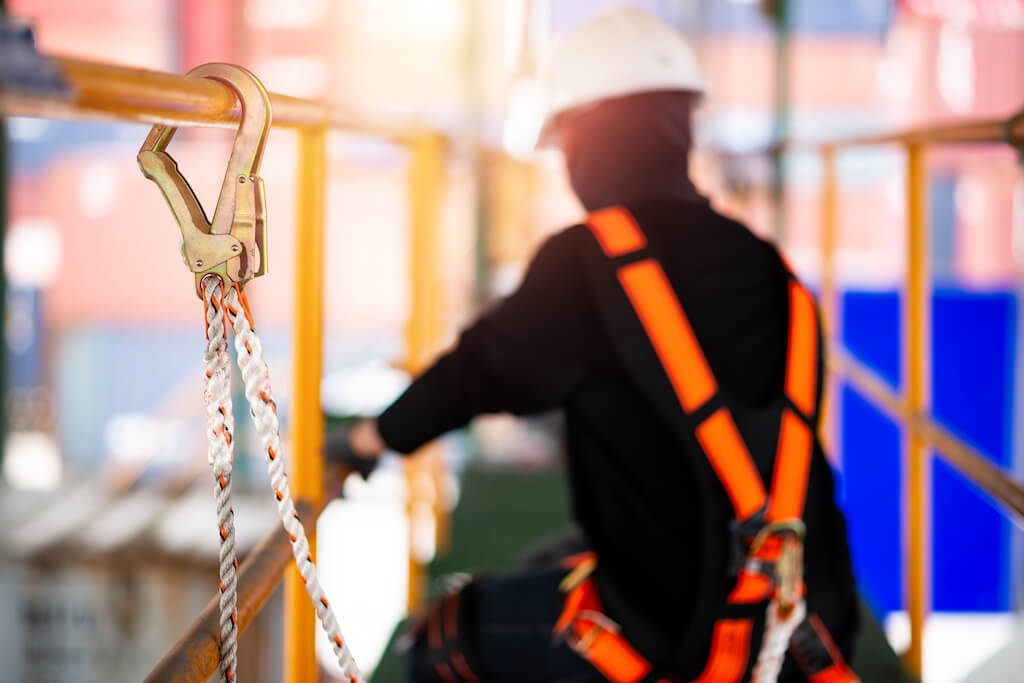
An Overhead Lifeline is a fall protection system designed to keep workers safely connected while performing tasks at elevated locations. Unlike ground-level anchorage systems, an overhead setup positions the connection point above the worker, reducing free-fall distance and helping minimize swing hazards. These systems are widely used anywhere employees must work above the ground, including construction sites, manufacturing plants, warehouses, aircraft hangars, and industrial maintenance facilities. An Overhead Lifeline serves as a secure connection between a worker’s full-body harness and a properly engineered anchor point. When paired with compatible fall protection equipment, it provides continuous support while allowing workers to move efficiently throughout their work area. Modern overhead systems are engineered to improve both productivity and workplace safety without unnecessarily restricting movement. As organizations continue to prioritize employee well-being and regulatory compliance, installing an Overhead Lifeline has become an essential part of comprehensive fall protection planning.
How an Overhead Lifeline Works
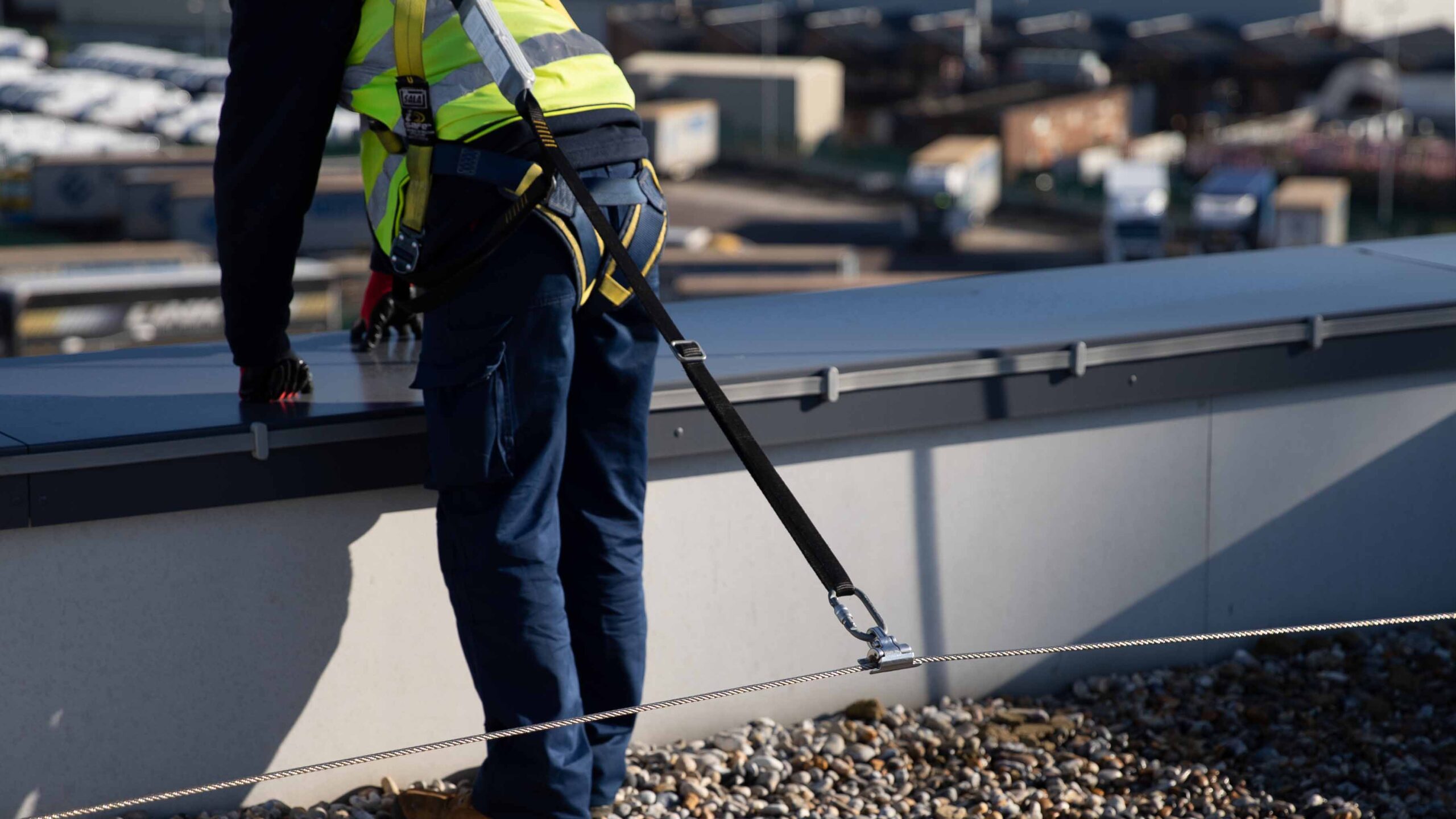
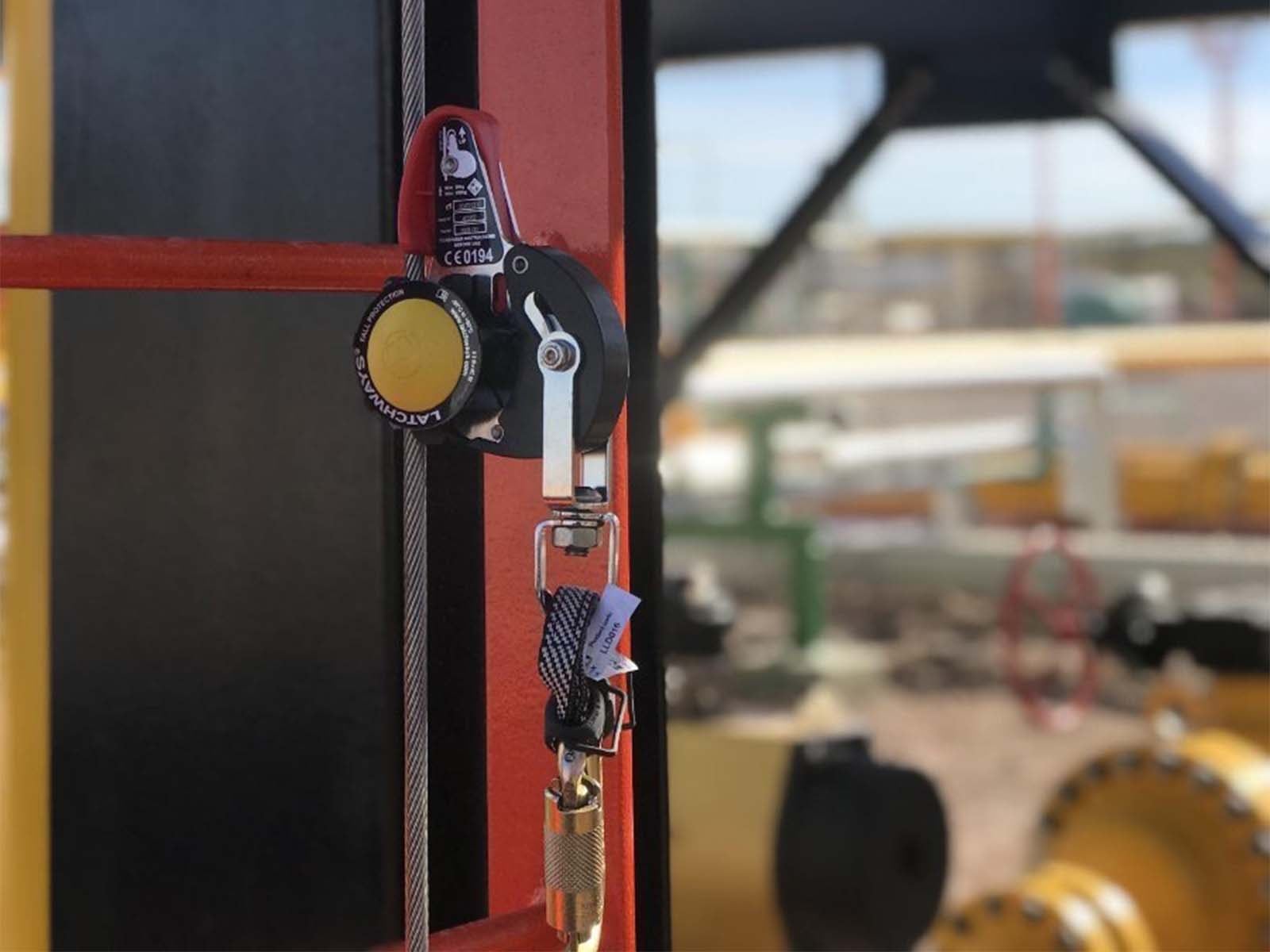
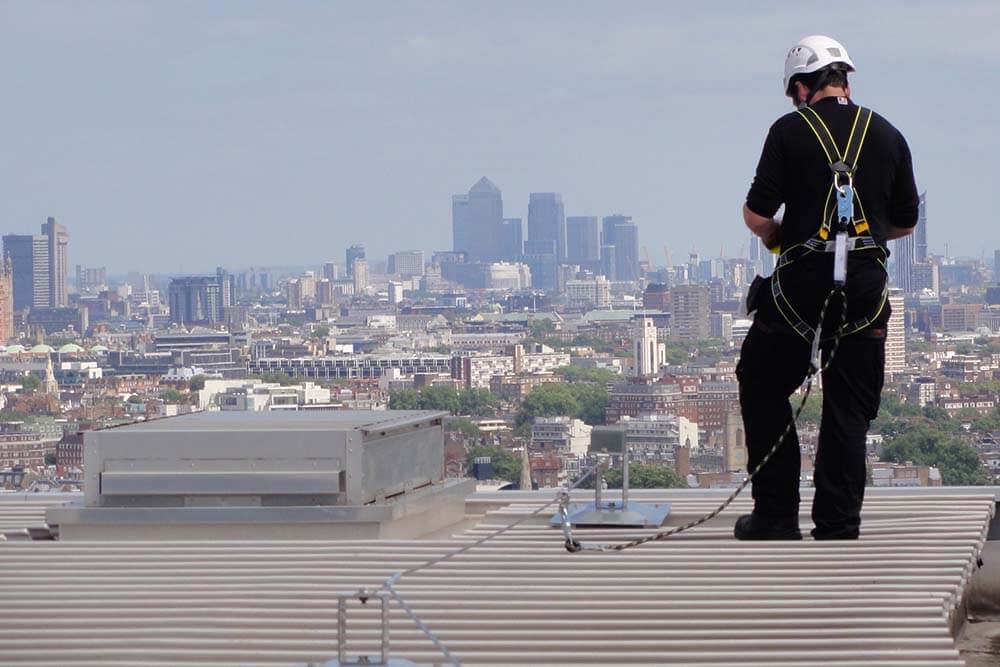
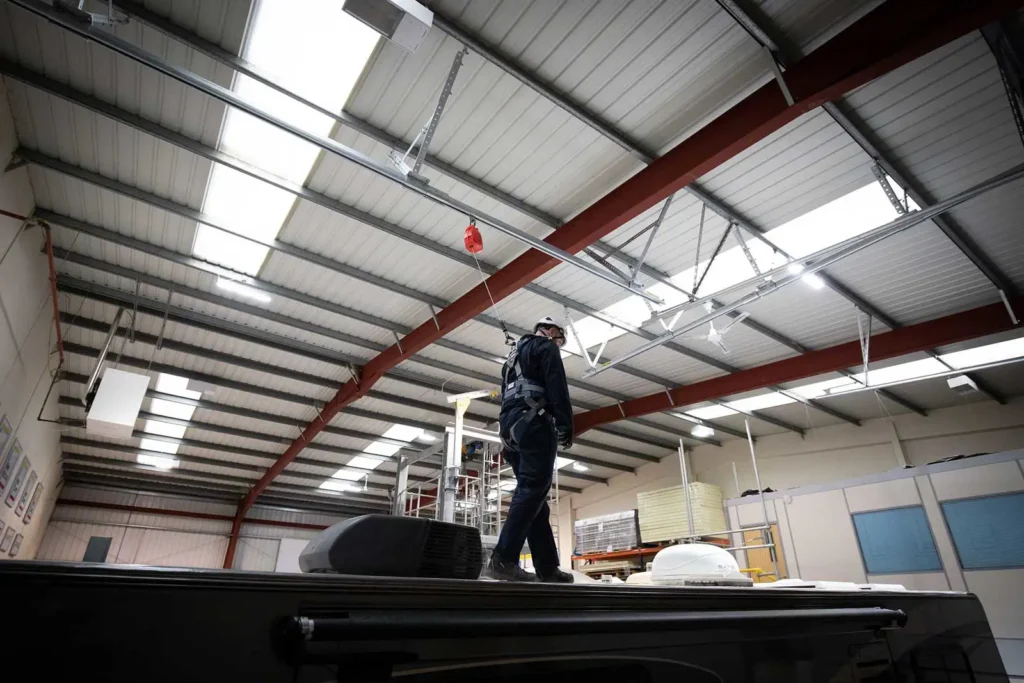
An Overhead Lifeline functions by creating a secure path that allows workers to remain attached while moving through elevated work areas. The system begins with structural anchor points that are engineered to withstand significant loads during normal use and in the event of a fall. A cable, rigid rail, or track connects these anchors and serves as the primary travel path. Workers attach themselves using a trolley or traveler connected to a self-retracting lifeline or lanyard, which then connects to a full-body harness. As the worker moves, the trolley glides smoothly along the overhead path, maintaining continuous protection. Because the attachment remains above the worker, there is generally less slack in the system, helping reduce fall distance and lowering the risk of swinging into nearby structures. This design supports safer movement while enabling employees to complete tasks more efficiently.
Main Components of an Overhead Lifeline System
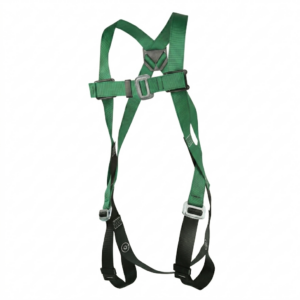
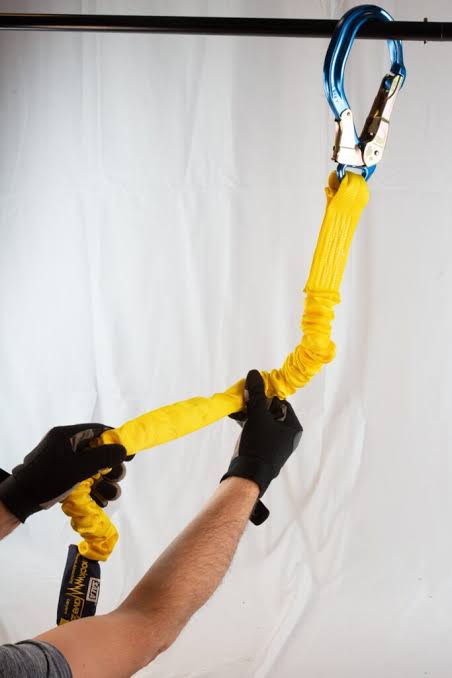
Every Overhead Lifeline consists of several carefully engineered components that work together to provide reliable fall protection. Anchor points form the foundation of the system by transferring loads into the supporting structure during a fall event. The lifeline itself may be a steel cable, rigid rail, or enclosed track, depending on the application’s requirements and the desired level of mobility. Trolleys or travelers move along the overhead path, allowing workers to travel without disconnecting from the system. Connecting devices such as self-retracting lifelines, energy-absorbing lanyards, and certified connectors link the worker’s harness to the overhead traveler. A properly fitted full-body harness distributes fall forces across stronger areas of the body, improving safety if a fall occurs. Each component must be compatible with the others and installed according to manufacturer specifications to achieve the highest level of protection.
Types of Overhead Lifeline Systems
Several types of Overhead Lifeline systems are available to accommodate different workplaces and operational needs. Rigid rail systems provide excellent mobility while minimizing deflection, making them ideal for manufacturing facilities, maintenance operations, and production environments. Flexible cable systems offer a more economical solution and are commonly installed across rooftops, loading docks, and structural steel frameworks. Monorail systems are especially useful when workers repeatedly travel along a single production line or maintenance route. Bridge and gantry systems provide expanded coverage across large workspaces by allowing horizontal and vertical movement over wide areas. Some facilities require custom-engineered Overhead Lifeline systems designed specifically for unique building layouts or specialized industrial processes. Selecting the appropriate system depends on workplace hazards, worker movement patterns, structural capabilities, and operational goals.
Benefits of Installing an Overhead Lifeline
Installing an Overhead Lifeline offers numerous advantages that extend beyond basic regulatory compliance. One of the most important benefits is enhanced worker safety because employees remain connected while performing elevated tasks. Overhead systems often provide greater freedom of movement compared to fixed anchor points, allowing workers to complete assignments without repeatedly disconnecting and reconnecting. Better mobility often translates into higher productivity because employees spend less time repositioning equipment. These systems can also reduce swing fall hazards by maintaining an overhead connection point throughout the work process. Businesses frequently experience long-term value because quality systems are designed for years of dependable service with proper maintenance. Investing in an Overhead Lifeline demonstrates a company’s commitment to protecting employees while supporting operational efficiency and workplace confidence.
Industries That Commonly Use Overhead Lifeline Systems
An Overhead Lifeline is valuable across numerous industries where employees routinely work at elevated heights. Construction companies rely on these systems during structural steel installation, roofing, bridge construction, and building maintenance. Manufacturing facilities often install overhead systems above assembly lines, machinery, and maintenance platforms where workers require continuous mobility. Warehouses and distribution centers benefit from overhead fall protection during equipment servicing, elevated storage maintenance, and conveyor inspections. Aircraft maintenance facilities frequently depend on rigid rail systems that allow technicians to move safely along wings and fuselages. Utility providers use Overhead Lifeline systems during maintenance of power generation equipment, substations, and industrial facilities. Oil and gas operations, transportation companies, and telecommunications organizations also depend on these systems to protect workers performing critical maintenance and inspection activities.
Factors to Consider Before Choosing an Overhead Lifeline
Choosing the right Overhead Lifeline requires careful planning and evaluation of workplace conditions. The first consideration is the work environment, including whether the system will operate indoors, outdoors, or in corrosive conditions that require specialized materials. Businesses should determine how many workers will use the system simultaneously because this directly affects engineering requirements and load capacity. The total span length and available structural supports must also be evaluated to ensure proper installation. Future expansion plans should be considered so the system can accommodate changing operational needs without requiring complete replacement. Employers should also review compatibility with existing fall protection equipment, including harnesses, connectors, and self-retracting lifelines. Consulting experienced safety professionals during the planning process helps ensure the selected Overhead Lifeline delivers reliable protection while meeting workplace objectives.
Installation Best Practices
Proper installation is essential to ensure an Overhead Lifeline performs as intended throughout its service life. Every installation should begin with a comprehensive site assessment that identifies potential hazards, worker travel paths, and structural limitations. Qualified engineers should verify that the supporting structure can safely withstand required design loads. Certified installers should follow manufacturer guidelines during every phase of installation to maintain system integrity. Once installed, the entire system should undergo thorough inspection and testing before workers begin using it. Detailed documentation should be maintained to verify installation procedures, inspections, and certifications for future reference. Investing time in proper installation reduces long-term risks while helping maximize both safety and equipment longevity.
Inspection and Maintenance Requirements
Routine inspection and maintenance are essential for preserving the reliability of an Overhead Lifeline. Workers should visually inspect the system before each use by checking cables, rails, connectors, trolleys, and harness attachment points for signs of wear or damage. Any unusual movement, corrosion, missing hardware, or deformation should be reported immediately. Scheduled inspections performed by qualified professionals provide a more comprehensive evaluation of structural integrity and component performance. Preventive maintenance may include cleaning, lubrication where appropriate, tightening hardware, and replacing worn components according to manufacturer recommendations. Inspection records should be carefully maintained to demonstrate compliance and provide valuable maintenance history. Consistent maintenance not only extends equipment life but also helps ensure the Overhead Lifeline remains ready to protect workers whenever it is needed.
Common Mistakes to Avoid
Several common mistakes can reduce the effectiveness of an Overhead Lifeline and increase workplace risks. One frequent error is selecting anchor locations without verifying structural capacity, which may compromise the system during a fall event. Another mistake involves exceeding the system’s rated capacity by allowing too many workers to connect simultaneously. Some organizations neglect routine inspections, allowing damaged or worn components to remain in service longer than recommended. Mixing incompatible equipment from different manufacturers may also create unsafe conditions if components are not designed to function together. Improper harness fitting or incorrect attachment methods can reduce the effectiveness of the entire fall protection system. Inadequate worker training further increases the likelihood of misuse and unsafe practices. Avoiding these mistakes helps organizations maintain a safer and more dependable Overhead Lifeline program.
Training Requirements for Safe Use
Effective training ensures employees understand how to use an Overhead Lifeline correctly and confidently. Workers should learn how each system component functions and how the equipment protects them during elevated work. Training should include proper harness fitting, equipment inspection, attachment procedures, and safe movement techniques. Employees should also understand how to recognize hazards that could affect system performance, including environmental conditions and structural changes. Emergency rescue procedures are equally important because prompt response after a fall can significantly reduce additional risks. Regular refresher training helps reinforce best practices while introducing workers to updated equipment and procedures. Well-trained employees contribute to a stronger safety culture and help maximize the value of every Overhead Lifeline installation.
How to Select the Right Overhead Lifeline for Your Workplace
Selecting the most suitable Overhead Lifeline begins with a detailed assessment of workplace hazards and operational requirements. Employers should identify where elevated work occurs, how frequently employees perform these tasks, and the level of worker mobility required. Budget considerations are important, but long-term durability, maintenance costs, and operational efficiency should also influence purchasing decisions. Custom-engineered systems may provide greater value for facilities with unique layouts or specialized equipment. Businesses should partner with qualified fall protection specialists who can recommend systems based on engineering analysis and applicable safety standards. Future operational growth should also be considered so the chosen system remains effective as facilities expand. A carefully selected Overhead Lifeline provides dependable protection while supporting productivity for many years.
Future Innovations in Overhead Lifeline Technology
Technology continues to improve the design and performance of the modern Overhead Lifeline. Manufacturers are developing lighter yet stronger materials that increase durability while simplifying installation. Smart monitoring systems are becoming more common, allowing facility managers to monitor inspections, maintenance schedules, and equipment usage through digital platforms. Enhanced trolley designs continue to improve worker mobility while reducing resistance during movement. Some advanced systems now integrate sensors capable of recording loading events and maintenance history for improved asset management. Modular designs also allow facilities to expand protection as operations grow without replacing the original installation. These innovations are helping organizations create safer, more efficient workplaces while making Overhead Lifeline systems easier to manage throughout their service life.
FAQ
What is an Overhead Lifeline used for?
An Overhead Lifeline protects workers performing tasks at elevated locations by providing a secure overhead connection that helps reduce fall hazards while allowing continuous movement.
How is an Overhead Lifeline different from a horizontal lifeline?
An Overhead Lifeline positions the connection point above the worker, often reducing free-fall distance and swing hazards, while horizontal lifelines are typically installed at or near working level.
Can multiple workers use one Overhead Lifeline?
Yes, many systems are designed for multiple users, but only if they are engineered and rated for the intended number of workers.
How often should an Overhead Lifeline be inspected?
Workers should perform a visual inspection before every use, while qualified professionals should conduct periodic inspections according to manufacturer recommendations and workplace regulations.
What industries benefit the most from Overhead Lifeline systems?
Construction, manufacturing, aviation, warehousing, energy, telecommunications, transportation, and industrial maintenance all benefit from these systems.
Is worker training necessary?
Yes. Proper training ensures employees know how to inspect equipment, connect correctly, recognize hazards, and respond appropriately during emergencies.
How long does an Overhead Lifeline last?
Its lifespan depends on design, environmental conditions, frequency of use, maintenance practices, and manufacturer guidelines. Regular inspections and timely component replacement help maximize service life.
Takeaway
An Overhead Lifeline is one of the most effective investments an organization can make to improve work-at-height safety. By providing continuous overhead protection, supporting worker mobility, and reducing fall risks, these systems create safer and more productive environments across many industries. Choosing the right system, ensuring proper installation, conducting regular inspections, and providing comprehensive employee training all contribute to long-term performance and reliability. When integrated into a complete fall protection program, an Overhead Lifeline helps organizations protect their workforce while supporting operational efficiency and regulatory compliance.