


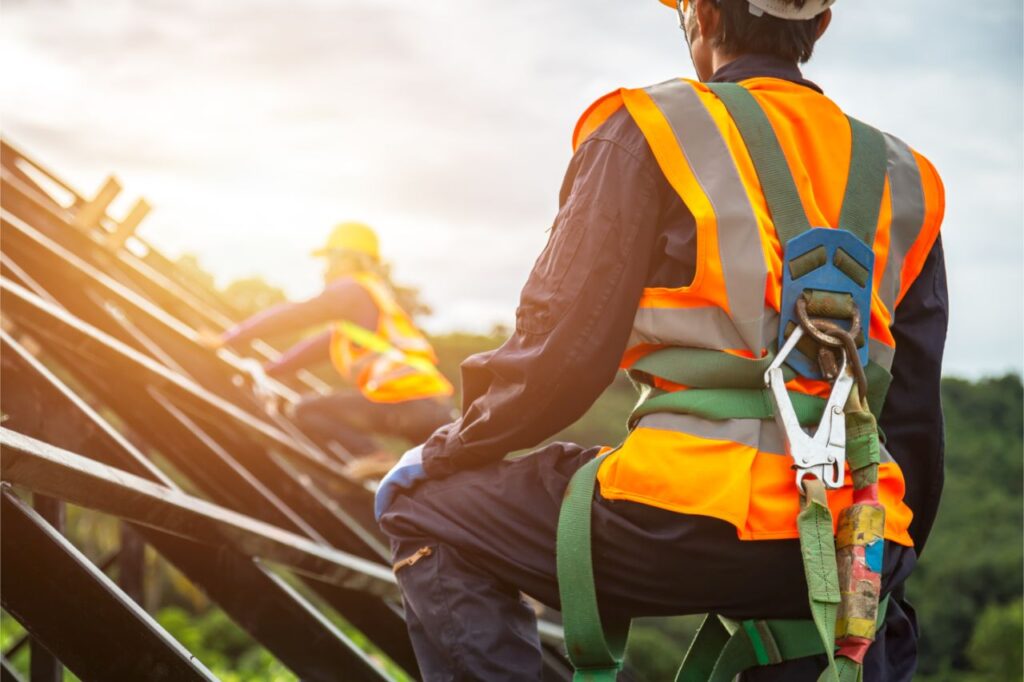
Understanding Height Safety and Its Importance in the Philippines
Height safety is one of the most vital components of workplace protection, especially in industries where employees are exposed to elevated areas. In the Philippines, construction sites, telecommunications towers, maintenance projects, and infrastructure developments all involve significant height-related work. These industries rely heavily on well-structured safety systems to protect their workers from falls and serious injuries. Height safety refers to the use of preventive measures, equipment, and protocols to ensure that anyone working at an elevated position remains secure. Neglecting these precautions can lead to severe injuries or fatalities, which can have long-term physical, emotional, and financial consequences. According to global safety statistics, falls from height are among the top causes of workplace accidents, and the same trend is reflected in local industries. Ensuring proper height safety practices not only prevents accidents but also enhances productivity by fostering worker confidence and morale.
Legal and Regulatory Standards on Height Safety in the Philippines
The Philippine government, through the Department of Labor and Employment (DOLE), enforces strict regulations to safeguard workers operating at heights. These laws emphasize the employer’s obligation to provide a safe working environment and to supply certified safety equipment to all personnel. The Occupational Safety and Health Standards (OSHS) include provisions specifically designed to address height-related hazards, ensuring that safety measures are in place before work begins. Employers must also ensure that workers undergo the required training before they are permitted to work at height. DOLE mandates that companies designate safety officers to monitor compliance and conduct periodic inspections. The Bureau of Working Conditions (BWC) further reinforces these requirements by auditing and assessing organizations’ adherence to safety laws. By aligning with these regulations, businesses not only avoid penalties but also strengthen their reputation as responsible and compliant employers committed to worker welfare.
Essential Equipment and Systems for Height Safety
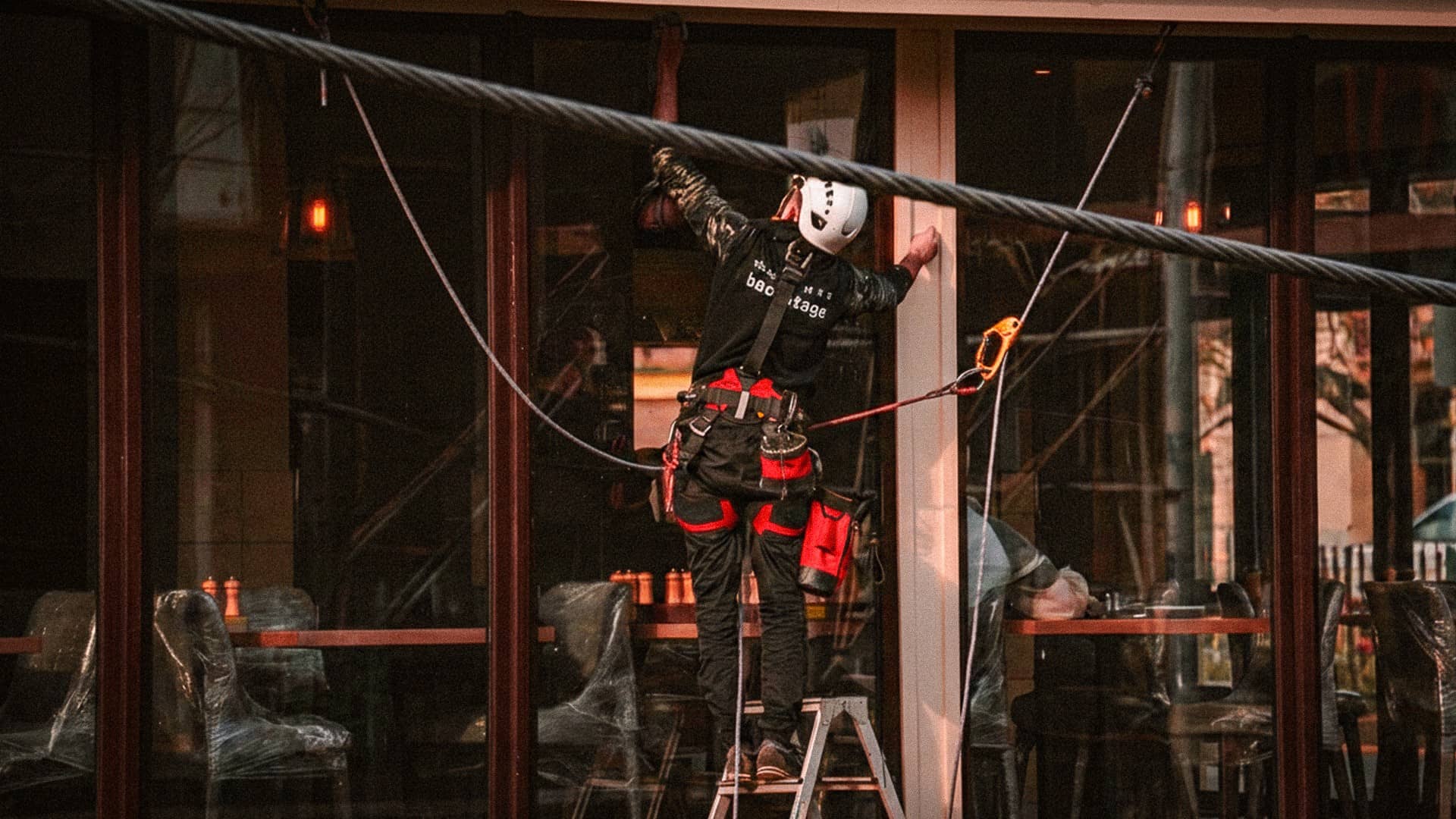
Ensuring height safety involves using the right equipment and maintaining it properly. Each piece of gear plays a critical role in preventing falls and protecting workers from injury. In the Philippines, height safety systems are categorized into personal protective equipment (PPE) and collective protection systems. These are the most commonly used tools in the workplace:
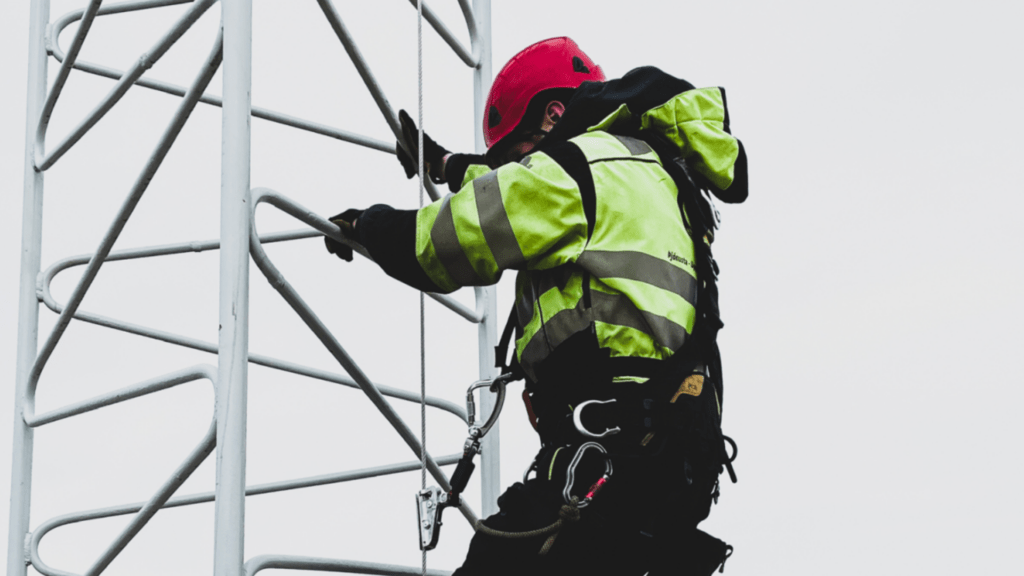
- Full-body harnesses that distribute impact evenly during a fall
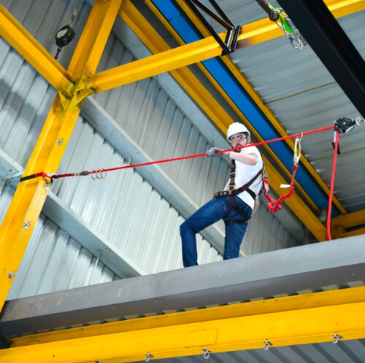
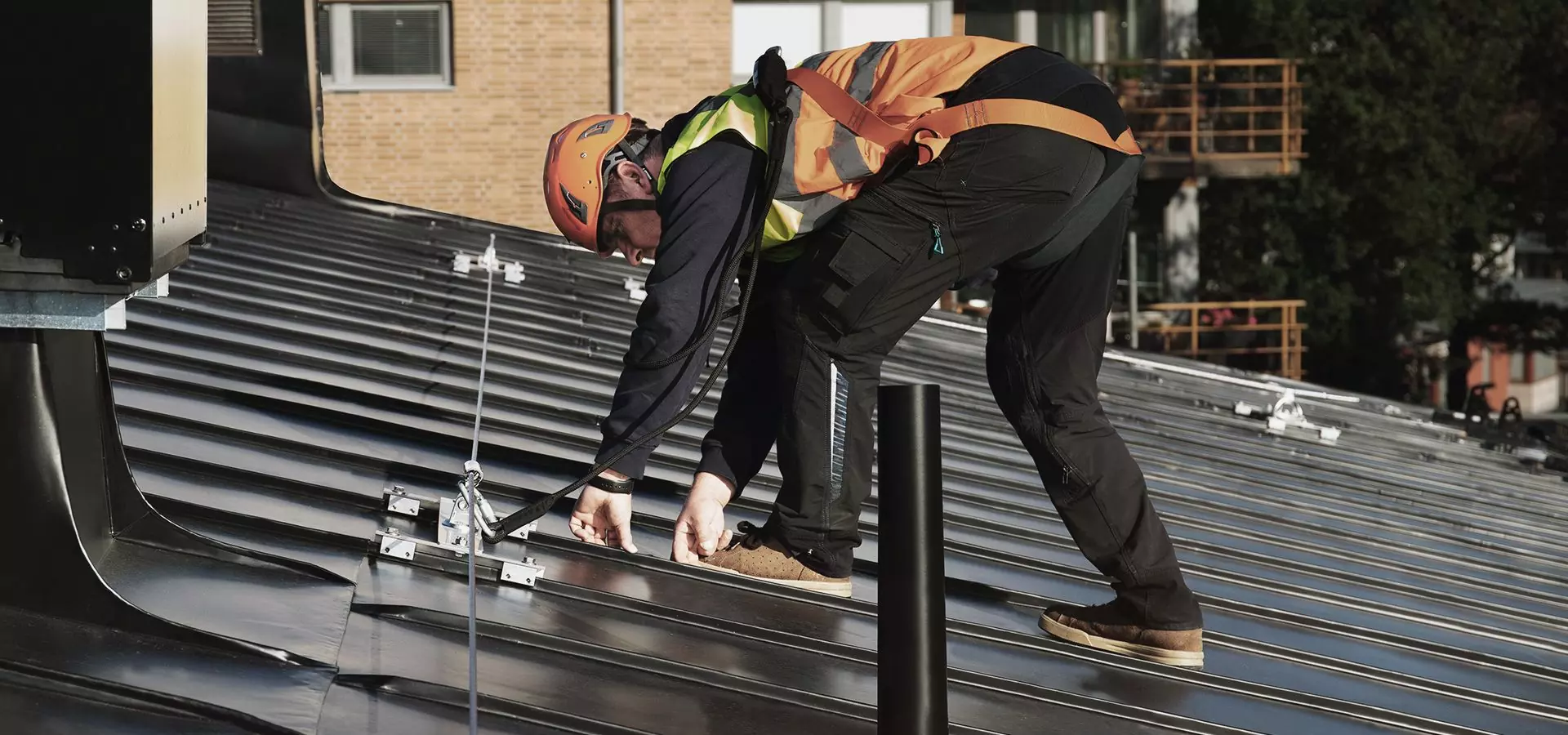
- Lanyards and lifelines that secure the worker to a stable anchor point
- Guardrails and scaffolding that provide structural protection at elevated sites
- Fall arrest systems that stop a worker’s descent in the event of a slip
- Anchorage connectors that ensure secure attachment to fixed structures
Using certified, high-quality safety gear is essential to ensuring the effectiveness of these systems. Employers should always source their equipment from accredited suppliers who follow Philippine and international safety standards. Regular inspection and maintenance are also crucial to avoid deterioration or malfunction. Neglecting equipment care can be as dangerous as having no protection at all, so safety officers must ensure that all tools are in top condition before every shift.
Building a Height Safety Culture in the Workplace
Creating a strong culture of safety starts with leadership commitment and extends to every employee. In the Philippines, many accidents involving height occur because of inadequate awareness or lack of training. To prevent this, employers must implement regular educational programs and safety drills to reinforce best practices. Workers should understand not just how to use their safety gear, but why it is essential for their protection. Leadership teams should model safe behaviors and recognize employees who consistently comply with safety protocols. Open communication channels are also vital so that workers can report unsafe conditions without fear of reprisal. Safety culture thrives in environments where everyone shares responsibility for maintaining safe operations. By fostering teamwork and accountability, organizations can significantly reduce the risks associated with working at height while improving overall operational efficiency.
Technological Advancements in Height Safety Solutions
Modern technology is transforming the way companies in the Philippines approach height safety. With digital innovations, workplaces can now monitor compliance and potential hazards more efficiently. Smart PPE, for instance, integrates sensors that track worker movement, detect unsafe postures, and send alerts during potential fall incidents. Drones are being used to inspect high structures, reducing the need for manual climbing during routine assessments. In addition, digital safety management systems allow companies to document safety records, monitor inspections, and analyze data in real time. These innovations help reduce human error while increasing accuracy and accountability. Automation also speeds up emergency response times and allows for better decision-making in high-risk environments. As more Philippine industries embrace digital transformation, the integration of technology in height safety management continues to redefine workplace protection standards.
Choosing the Right Height Safety Partner in the Philippines
Working with the right safety solutions provider ensures that businesses can meet compliance requirements while maintaining worker safety. The ideal height safety partner offers comprehensive services, from risk assessment and equipment installation to employee training and maintenance. Companies should look for accredited providers that are familiar with Philippine safety laws and can tailor solutions to their specific industry. Partnering with experienced safety experts also guarantees access to the latest safety technologies and certified products. Here are key factors to consider when choosing a provider:
- Proven experience and industry reputation
- Compliance with DOLE and international safety standards
- Access to a wide range of certified safety products
- Availability of training and inspection services
- Commitment to continuous improvement and client support
Choosing a reliable partner allows organizations to build sustainable safety programs that not only protect employees but also enhance productivity and company image.
Common Challenges in Implementing Height Safety Measures
Despite the presence of strict regulations, many organizations in the Philippines still face challenges in fully implementing height safety practices. One major issue is budget limitation, especially for small and medium-sized enterprises that may find safety equipment costly. Others struggle with maintaining consistent compliance among workers due to lack of training or complacency. Some employees may also resist new safety protocols because they perceive them as time-consuming. Equipment misuse or neglecting regular maintenance can further weaken safety efforts. Overcoming these barriers requires a comprehensive approach that includes management support, regular supervision, and an emphasis on employee engagement. Organizations should also adopt a mindset that prioritizes safety as a long-term investment rather than an expense. By addressing these challenges head-on, companies can create safer, more efficient workplaces where every team member understands the value of protection at height.
The Future of Height Safety in the Philippines
As industries expand and construction projects rise across the country, height safety is expected to become even more critical. Future trends point to stronger regulations, more advanced safety gear, and increased use of technology-driven monitoring systems. Companies are gradually adopting automation and data analytics to anticipate risks and improve compliance. Sustainability will also play a role, as eco-friendly materials and smart systems become integral to safety infrastructure. The Philippine government continues to advocate for better enforcement of safety standards, pushing industries toward a culture of prevention rather than reaction. As organizations embrace these advancements, workers can look forward to safer working conditions and a more resilient industrial landscape. The continued evolution of height safety in the Philippines promises not only compliance but a future where every worker returns home safely.
Frequently Asked Questions (FAQ)
- What are the key safety requirements for working at heights in the Philippines?
Employers must comply with DOLE regulations, provide certified safety equipment, and ensure proper training for all employees involved in height-related tasks. - Who is responsible for ensuring height safety in a workplace?
Both employers and workers share responsibility, with employers providing resources and training, and employees adhering to all safety protocols. - How often should height safety equipment be inspected?
Equipment should be inspected before each use and undergo thorough periodic inspections by certified safety officers. - What industries most commonly use height safety systems?
Construction, telecommunications, utilities, oil and gas, and maintenance services are the primary industries that depend on height safety measures. - How can companies ensure compliance with Philippine safety regulations?
By partnering with accredited safety providers, maintaining regular inspections, conducting safety audits, and staying updated on DOLE guidelines. - What are the penalties for non-compliance with DOLE height safety standards?
Penalties may include fines, work stoppages, or legal actions depending on the severity of the violation and the resulting damages.
Takeaway
Height safety in the Philippines is not just a compliance requirement—it is an ethical responsibility and a long-term investment in human life. Employers who prioritize worker protection demonstrate genuine care and strengthen their organization’s reputation. With proper training, reliable equipment, and a proactive safety culture, companies can prevent accidents and foster a secure environment. As industries evolve, the commitment to height safety must remain unwavering, ensuring that every Filipino worker at height operates with confidence, protection, and peace of mind.