




What Is a Self Retracting Lanyard?
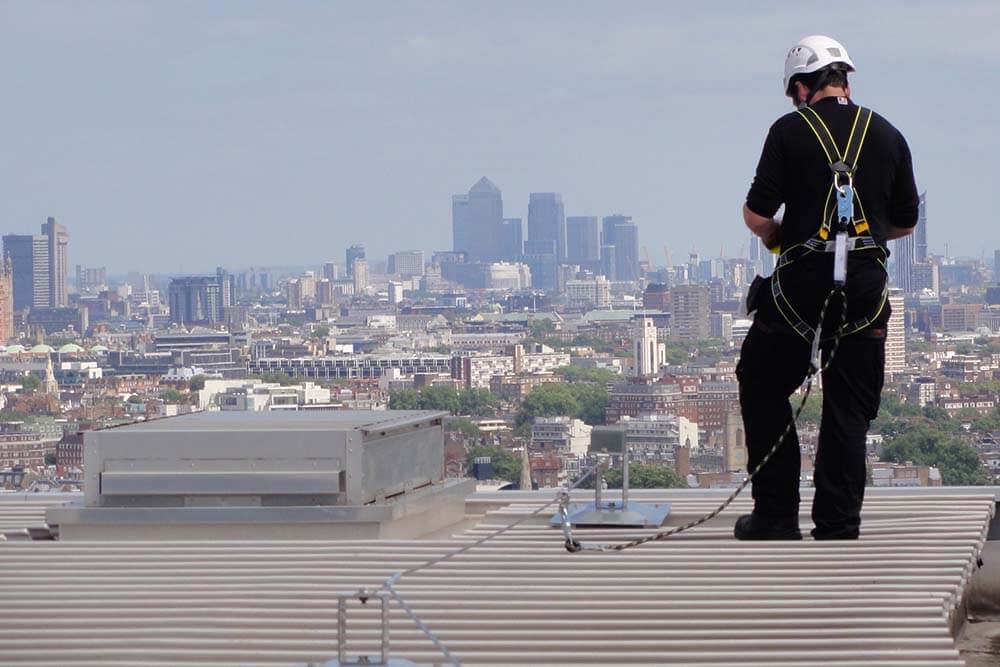
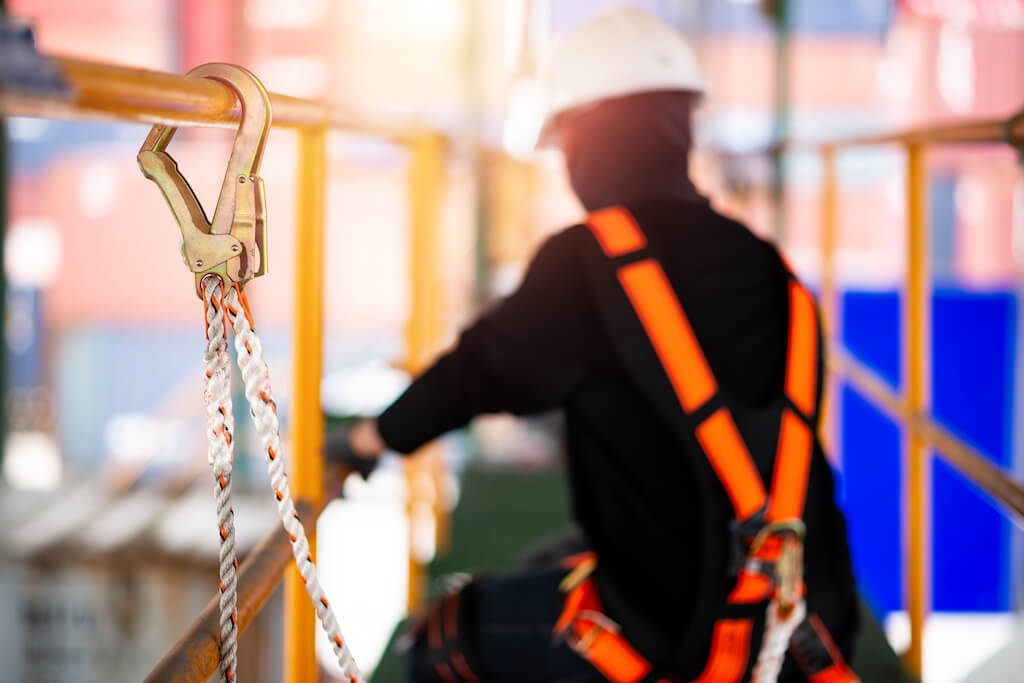
A Self Retracting Lanyard is a critical component of a personal fall arrest system designed to protect workers who perform tasks at elevated heights. Unlike traditional fixed-length lanyards, a Self Retracting Lanyard automatically extends and retracts as the user moves, keeping the lifeline under light tension throughout the job. This design minimizes slack, reducing the distance a worker could fall before the braking mechanism activates. The internal locking system engages almost instantly when it detects a sudden acceleration caused by a fall. By limiting free-fall distance, a Self Retracting Lanyard helps reduce the force placed on the worker’s body during fall arrest. It is widely used in industries where employee safety is a top priority, including construction, manufacturing, utilities, telecommunications, and maintenance. Choosing the right Self Retracting Lanyard is one of the most important decisions employers can make when developing a comprehensive workplace safety program.
Modern Self Retracting Lanyards are engineered using durable materials that withstand demanding work environments while providing reliable protection. They are available in various lengths, weight capacities, and lifeline materials to suit different job requirements. Many models feature lightweight housings that improve mobility and reduce user fatigue during long shifts. Depending on the application, workers can choose between cable or webbing lifelines that offer varying levels of flexibility and durability. Manufacturers also design specialized models for overhead, horizontal, and confined-space work. Understanding how these devices function allows employers and workers to make informed decisions that improve safety and regulatory compliance. Investing in a quality Self Retracting Lanyard ultimately supports a safer and more productive workplace.
How a Self Retracting Lanyard Works
The primary function of a Self Retracting Lanyard is to provide continuous fall protection while allowing unrestricted movement. As the worker walks, climbs, or changes position, the lifeline smoothly extends and retracts without creating unnecessary slack. This automatic movement helps keep the worker connected to a secure anchor point at all times. Inside the housing, a spring-loaded drum continuously manages the lifeline’s tension. During normal movement, the drum rotates freely, allowing the lifeline to extend or retract as needed. If the worker suddenly falls, the rapid acceleration triggers an internal braking mechanism. The braking system locks the drum almost immediately, stopping the fall within a very short distance.
This rapid locking process significantly reduces the impact forces experienced during a fall. Lower fall distances also help reduce the risk of striking lower levels or nearby structures. Because the device retracts excess lifeline automatically, workers are less likely to trip over loose equipment while performing their duties. Many Self Retracting Lanyards also include built-in energy absorption features that further reduce arrest forces. Some advanced models incorporate swivel connectors that prevent twisting during movement, making the equipment more comfortable to use. Understanding these operating principles helps workers appreciate why proper inspection and correct usage are essential before every shift. When used correctly, a Self Retracting Lanyard becomes one of the most effective tools for preventing serious fall-related injuries.
Key Components of a Self Retracting Lanyard
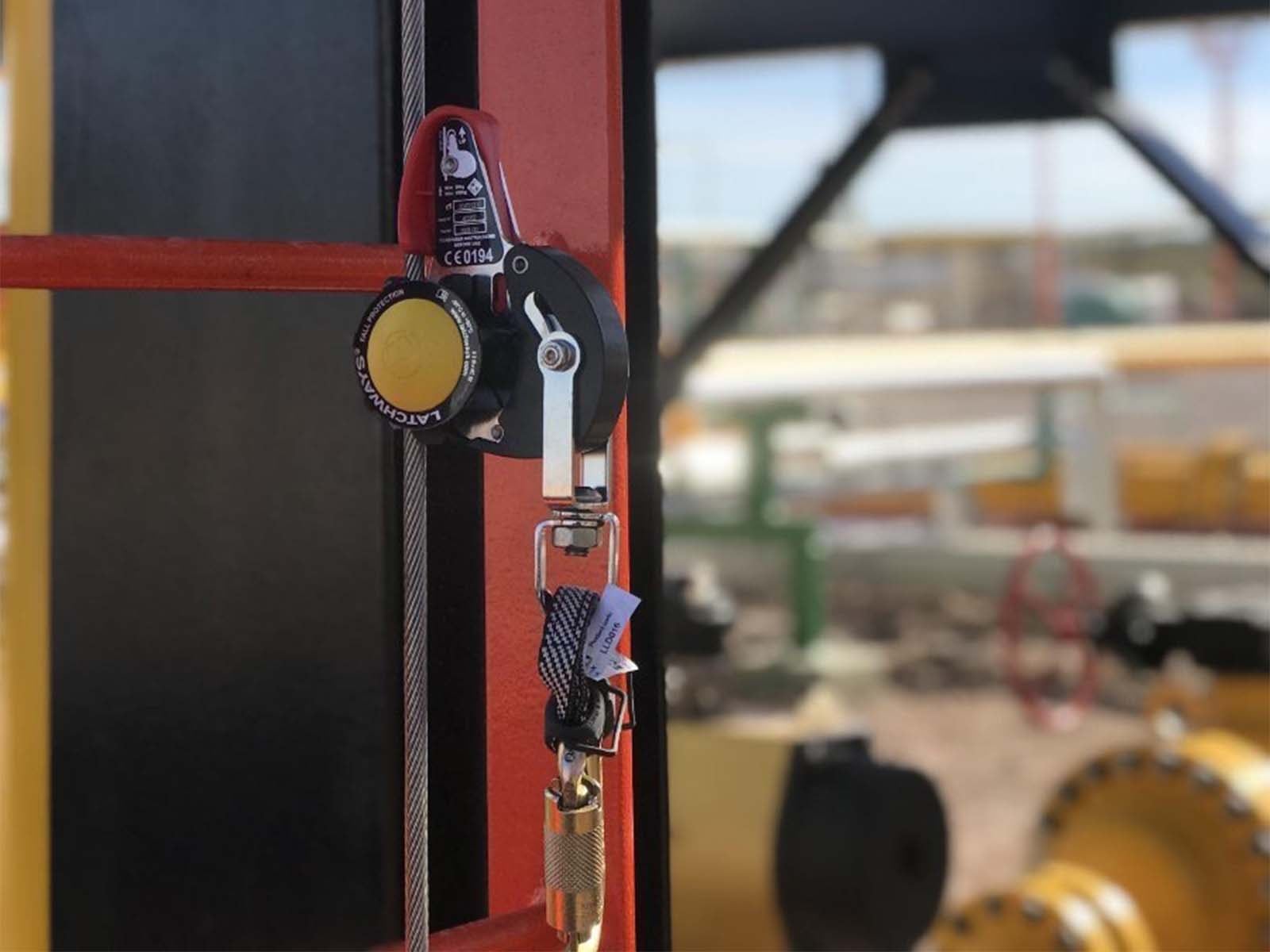
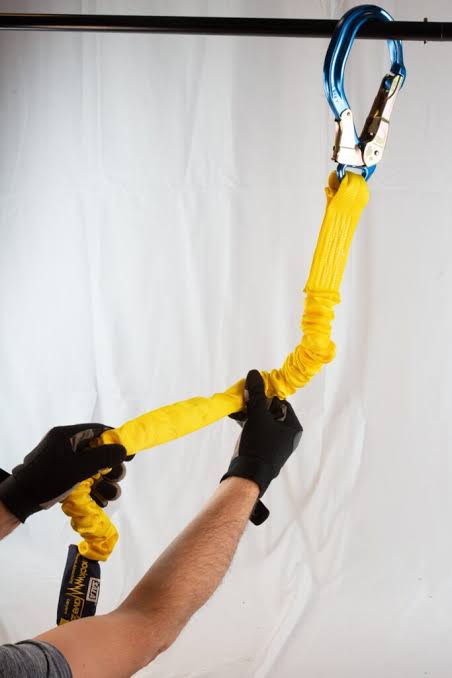
Every Self Retracting Lanyard consists of several components that work together to provide dependable fall protection. The housing serves as the protective outer shell, enclosing the internal spring, drum, and braking mechanism. It is typically constructed from durable aluminum or high-impact composite materials that resist corrosion and physical damage. Inside the housing, the retractable lifeline extends and retracts smoothly while remaining protected from environmental hazards. Depending on the application, the lifeline may be made from galvanized steel cable, stainless steel cable, or high-strength synthetic webbing. Each material offers unique advantages depending on the work environment and potential exposure to sharp edges or chemicals. Selecting the appropriate lifeline material improves both safety and equipment longevity.
The braking mechanism is the heart of every Self Retracting Lanyard. It activates automatically when rapid acceleration is detected, stopping the worker’s fall within a controlled distance. Connectors such as carabiners, snap hooks, and swivel hooks securely attach the device to the worker’s full-body harness and designated anchor point. These connectors are designed with locking gates to prevent accidental disengagement during use. Inspection labels and identification tags provide essential information regarding model specifications, inspection history, weight capacity, and manufacturing details. Some premium models also feature impact indicators that clearly show whether the unit has experienced a fall and must be removed from service. Every component contributes to the overall effectiveness of the Self Retracting Lanyard, making routine inspections an essential part of workplace safety.
Types of Self Retracting Lanyards
There are several types of Self Retracting Lanyards available, each designed to meet specific workplace requirements. Webbing Self Retracting Lanyards are lightweight, flexible, and comfortable, making them ideal for applications where sharp edges are not a significant concern. Steel cable models provide superior resistance to abrasion, heat, sparks, and cutting hazards, making them suitable for industrial environments such as welding, steel fabrication, and heavy construction. Stainless steel cable versions offer additional corrosion resistance for marine, offshore, and chemical processing facilities. Choosing the correct material helps maximize equipment performance while extending service life. Employers should always evaluate environmental conditions before selecting the most appropriate model. Matching the equipment to the work environment is essential for achieving the highest level of worker protection.
Single-leg Self Retracting Lanyards are commonly used when continuous movement between anchor points is not required. Twin-leg models allow workers to remain connected while transitioning from one anchor point to another, supporting continuous tie-off practices that minimize exposure to fall hazards. Some Self Retracting Lanyards are specifically designed for overhead anchorage, while others are approved for horizontal lifeline systems or leading-edge applications. Compact personal models are lightweight and attach directly to the worker’s harness, improving mobility in confined work areas. Heavy-duty units with longer lifelines are often mounted above workstations to protect employees covering larger distances. Specialized rescue and retrieval models are available for confined-space entry operations where emergency retrieval may be necessary. Understanding the available options enables employers to select the most effective Self Retracting Lanyard for every task, helping workers perform confidently while maintaining the highest safety standards.
Benefits of Using a Self Retracting Lanyard
A Self Retracting Lanyard offers numerous advantages over traditional fixed-length lanyards, making it one of the most effective fall protection devices available today. One of its greatest benefits is the ability to significantly reduce free-fall distance by keeping the lifeline under constant, light tension. This feature helps minimize the force exerted on the worker during a fall, reducing the likelihood of severe injuries. Workers also enjoy greater freedom of movement because the lifeline extends and retracts automatically as they move around the job site. Without excess slack, there is less chance of tripping over loose equipment or becoming entangled with nearby objects. Improved mobility allows employees to complete tasks more efficiently while remaining securely connected to an approved anchor point. As a result, a Self Retracting Lanyard contributes to both workplace safety and productivity.
Another important advantage is its versatility across a wide range of industries and work environments. Many models are designed to withstand harsh weather, exposure to chemicals, and demanding industrial conditions while maintaining dependable performance. Advanced braking systems activate almost instantly during a fall, helping reduce arrest forces and protecting both the worker and supporting equipment. Some Self Retracting Lanyards are lightweight and compact, reducing fatigue during long work shifts without sacrificing protection. Others are built for heavy-duty applications involving welding, steel fabrication, or utility work where extra durability is required. Because the equipment continuously retracts excess lifeline, workers can focus more on completing their tasks instead of constantly adjusting their fall protection system. Investing in a high-quality Self Retracting Lanyard demonstrates an organization’s commitment to creating a safer work environment while helping meet workplace safety requirements.
Common Industries That Use Self Retracting Lanyards
A Self Retracting Lanyard is widely used across industries where employees regularly perform work at elevated heights. The construction industry relies heavily on this equipment during structural framing, roofing, scaffolding, steel erection, bridge projects, and commercial building maintenance. Workers frequently encounter changing elevations and multiple fall hazards, making dependable fall protection essential throughout every phase of construction. Manufacturing facilities also use Self Retracting Lanyards when employees perform equipment maintenance, overhead inspections, or repairs on elevated platforms. These devices provide continuous protection while allowing technicians to move efficiently throughout complex production environments. Employers recognize that reducing fall risks not only protects workers but also minimizes costly downtime caused by workplace accidents. Reliable fall protection has become a fundamental part of daily operations across industrial workplaces.
Other sectors also benefit significantly from the use of a Self Retracting Lanyard. Utility companies use them during power line maintenance, tower inspections, and substation work where employees must remain securely connected at all times. Telecommunications technicians depend on these devices while installing and servicing communication towers, antennas, and wireless infrastructure. Oil and gas facilities utilize heavy-duty models designed to withstand challenging outdoor environments and exposure to demanding conditions. Warehouses often require fall protection during elevated storage operations and maintenance of high shelving systems. Wind energy technicians rely on specialized Self Retracting Lanyards when climbing turbines and performing inspections hundreds of feet above the ground. Facility maintenance teams, transportation companies, shipyards, and aviation maintenance crews also incorporate these devices into their daily safety procedures. Their widespread use highlights the importance of selecting the proper equipment for every working environment where fall hazards exist.
Choosing the Right Self Retracting Lanyard
Selecting the right Self Retracting Lanyard begins with understanding the specific hazards associated with the job. Employers should first evaluate the working height, available clearance below the worker, and the location of approved anchor points. Different job sites require different lifeline lengths to ensure workers remain protected without unnecessary restrictions on movement. It is equally important to verify the weight capacity of the equipment, especially when workers carry heavy tools or wear specialized protective gear. Choosing a model with the appropriate capacity ensures the braking mechanism performs as designed during an emergency. Environmental conditions such as moisture, extreme temperatures, chemical exposure, and sharp edges should also influence equipment selection. Carefully assessing these factors helps create a safer and more efficient work environment.
The choice between webbing and cable lifelines depends largely on the nature of the work being performed. Webbing models are generally lighter and more comfortable, making them suitable for applications where flexibility and ease of movement are priorities. Cable Self Retracting Lanyards provide greater resistance to abrasion, heat, and cutting hazards, making them ideal for heavy industrial operations. Employers should also determine whether workers require single-leg or twin-leg configurations for continuous tie-off while moving between anchor points. Specialized leading-edge and horizontal models should be selected whenever work conditions involve sharp structural edges or horizontal lifeline systems. Compatibility with the worker’s full-body harness and anchorage connectors is equally important because incompatible equipment can compromise overall system performance. Consulting manufacturer recommendations and ensuring all components work together as a complete fall protection system provides the highest level of worker safety and equipment reliability.
Safety Standards and Compliance
Using a Self Retracting Lanyard involves more than simply wearing the equipment; it also requires compliance with recognized workplace safety standards and established best practices. Employers should ensure that every Self Retracting Lanyard used on the job meets applicable regulatory and industry requirements before it is placed into service. Certified equipment undergoes rigorous testing to verify its ability to arrest falls under specified operating conditions. Purchasing equipment from reputable manufacturers helps ensure workers receive reliable protection supported by proper documentation and testing. Employers should also maintain records of equipment inspections, maintenance, and employee training to support ongoing compliance efforts. Keeping detailed documentation demonstrates a proactive commitment to workplace safety while helping organizations manage their safety programs effectively. Strong compliance practices benefit both employers and employees by promoting consistent use of dependable fall protection equipment.
Training plays an equally important role in maximizing the effectiveness of a Self Retracting Lanyard. Every worker should understand how to inspect the equipment, connect it correctly, identify suitable anchor points, and recognize situations that require equipment removal from service. Supervisors should regularly review safe work procedures and reinforce proper equipment usage through routine safety meetings and practical demonstrations. Employees should also know how to respond following a fall arrest event and understand that equipment involved in a fall must never be returned to service until it has been properly evaluated according to manufacturer guidelines. Routine inspections performed by qualified personnel help identify wear, corrosion, or mechanical issues before they become serious safety hazards. Establishing a strong culture of training, accountability, and continuous improvement helps organizations reduce workplace risks while ensuring every Self Retracting Lanyard performs as intended when it matters most. Proper compliance ultimately supports safer job sites, greater worker confidence, and long-term operational success.
Proper Inspection Before Every Use
Inspecting a Self Retracting Lanyard before every use is one of the most effective ways to prevent equipment failure and reduce the risk of workplace injuries. Every inspection should begin with a visual examination of the housing to ensure there are no cracks, dents, corrosion, or other signs of damage that could affect performance. The lifeline should be pulled out completely and checked for frayed webbing, broken wires, cuts, burns, excessive wear, or contamination from chemicals and other harmful substances. Workers should slowly allow the lifeline to retract and confirm that it moves smoothly without hesitation or unusual resistance. The locking mechanism should also be tested according to the manufacturer’s instructions to verify that it engages immediately when the lifeline is pulled sharply. All hooks, carabiners, and connectors should be inspected for cracks, deformation, corrosion, and proper gate operation. Completing these simple inspection steps before every shift helps ensure the Self Retracting Lanyard is ready to provide dependable fall protection whenever it is needed.
Inspection labels and identification markings should also be reviewed carefully during every equipment check. These labels contain valuable information such as the model number, serial number, manufacturing date, inspection schedule, and weight capacity. Missing or unreadable labels may prevent users from confirming whether the equipment remains suitable for service. Employees should also verify that the Self Retracting Lanyard has not been involved in a previous fall arrest unless it has been inspected and approved according to the manufacturer’s recommendations. If any defect, unusual condition, or malfunction is discovered, the equipment should be removed from service immediately and reported to the appropriate supervisor. Regular inspections performed by qualified personnel at scheduled intervals provide an additional layer of protection beyond daily user inspections. A consistent inspection routine helps extend equipment life while ensuring every worker begins the day with reliable fall protection.
Best Practices for Safe Use
Using a Self Retracting Lanyard correctly is just as important as selecting the appropriate equipment. Workers should always connect the device to an approved anchor point that is capable of supporting the required load for fall arrest applications. Whenever possible, the anchor point should be positioned directly above the worker to minimize free-fall distance and reduce the possibility of swing falls. Maintaining proper alignment between the worker and the anchor point also helps the lifeline retract smoothly during normal movement. Employees should avoid allowing the lifeline to pass over sharp edges or abrasive surfaces that could damage the webbing or cable. If leading-edge hazards are present, a Self Retracting Lanyard specifically designed for those conditions should be used. Following these practices helps maximize the effectiveness of the entire fall protection system.
Workers should also avoid making unauthorized modifications to their Self Retracting Lanyard or using incompatible connectors with the device. Every component of the fall protection system should be compatible and approved for use together to ensure reliable performance during an emergency. Before beginning work, employees should review the manufacturer’s instructions and participate in any required safety training provided by their employer. Maintaining awareness of surrounding hazards, weather conditions, and changing work environments further enhances overall safety. Communication among team members is equally important, particularly when multiple employees are working at elevated locations. Establishing emergency rescue procedures before work begins ensures a prompt response if a fall occurs. Consistently following these best practices allows workers to perform their jobs with greater confidence while reducing the likelihood of accidents.
Cleaning, Storage, and Maintenance
Proper care significantly extends the service life of a Self Retracting Lanyard while helping maintain dependable performance. After each use, the equipment should be cleaned according to the manufacturer’s recommendations using approved cleaning methods and materials. Dirt, dust, grease, and other contaminants should be removed carefully to prevent long-term damage to the housing and lifeline. Harsh chemicals, abrasive cleaners, or high-pressure washing equipment should never be used unless specifically approved by the manufacturer. Allowing the equipment to dry completely before storage helps prevent corrosion, mold, and deterioration of synthetic materials. Routine cleaning also provides another opportunity to identify wear or damage that may have developed during use. Proper maintenance supports both equipment reliability and worker safety.
Storage conditions are equally important for preserving the condition of a Self Retracting Lanyard. The equipment should be stored in a clean, dry location away from direct sunlight, excessive heat, moisture, and corrosive chemicals. Hanging or placing the unit where it cannot be crushed by heavy objects helps protect the housing and internal braking mechanism. Scheduled maintenance performed by qualified personnel should follow the manufacturer’s inspection intervals and servicing requirements. Employers should maintain detailed maintenance records for every Self Retracting Lanyard to support compliance and equipment tracking. If any mechanical problem is discovered during maintenance, the device should be removed from service until repairs or replacement are completed. A well-maintained Self Retracting Lanyard delivers reliable performance while helping organizations protect both their employees and their investment in workplace safety equipment.
Common Mistakes to Avoid
Many workplace incidents occur because fall protection equipment is used incorrectly rather than because the equipment itself fails. One common mistake is selecting a Self Retracting Lanyard that is not suitable for the specific work environment or hazard. Using a standard model near sharp edges or welding operations may expose the lifeline to unnecessary damage and increase the risk of failure. Another frequent error involves connecting the device to an anchor point that does not meet the required strength specifications. Workers sometimes allow excessive slack or position the anchor point too far from their work area, increasing the potential for swing falls. Skipping daily inspections is another serious mistake that may allow damaged equipment to remain in service unnoticed. Avoiding these common errors significantly improves workplace safety.
Another issue is failing to provide adequate employee training before issuing a Self Retracting Lanyard for use. Workers who do not fully understand the equipment may misuse connectors, ignore inspection requirements, or incorrectly attach the device to their harness. Some employees also exceed the equipment’s rated weight capacity by carrying heavy tools without verifying manufacturer limitations. Using equipment after it has arrested a fall is another dangerous practice because internal components may have been damaged even if no visible defects are present. Employers should also avoid mixing incompatible components from different fall protection systems unless approved by the manufacturer. Regular safety training, proper supervision, and consistent enforcement of workplace procedures help eliminate these mistakes. A strong safety culture encourages employees to recognize hazards before they become accidents.
Signs It’s Time to Replace a Self Retracting Lanyard
Even the highest-quality Self Retracting Lanyard has a limited service life and must eventually be replaced. One of the clearest indicators is evidence that the device has already been used to arrest a fall. After any fall event, the equipment should be removed from service immediately and evaluated according to the manufacturer’s instructions. Visible damage such as frayed webbing, broken cable strands, cracked housings, bent connectors, or corrosion also indicates that replacement may be necessary. A lifeline that no longer retracts smoothly or a locking mechanism that fails to engage consistently should never be relied upon for worker protection. Missing labels or unreadable identification markings may also prevent proper inspection and verification of equipment specifications. Recognizing these warning signs helps prevent the use of compromised safety equipment.
Age can also influence the performance of a Self Retracting Lanyard, even if no visible damage is present. Manufacturers often specify recommended service life guidelines based on normal operating conditions, inspection history, and maintenance records. Equipment that has been exposed to harsh weather, chemicals, excessive heat, or heavy daily use may require replacement sooner than expected. Routine inspections performed by competent personnel help identify mechanical wear that may not be visible during casual observation. Employers should establish clear replacement policies and maintain accurate records for every unit in service. Replacing aging or damaged equipment before failure occurs demonstrates a proactive commitment to employee safety. Investing in new fall protection equipment is always more valuable than risking preventable workplace injuries.
Frequently Asked Questions
FAQ 1: What is a Self Retracting Lanyard used for?
A Self Retracting Lanyard is used as part of a personal fall arrest system to protect workers who perform tasks at elevated heights. It automatically extends and retracts while limiting free-fall distance if a fall occurs.
FAQ 2: How is a Self Retracting Lanyard different from a standard lanyard?
Unlike a traditional fixed-length lanyard, a Self Retracting Lanyard keeps the lifeline under constant tension and locks almost instantly during a fall. This design reduces free-fall distance and improves worker mobility.
FAQ 3: How often should a Self Retracting Lanyard be inspected?
Workers should inspect the equipment before every use, while qualified personnel should perform detailed inspections according to the manufacturer’s maintenance schedule and workplace safety requirements.
FAQ 4: Can a Self Retracting Lanyard be used for horizontal applications?
Some models are specifically designed and certified for horizontal use or leading-edge applications. Always verify that the selected Self Retracting Lanyard is approved for the intended working environment.
FAQ 5: What is the maximum weight capacity of a Self Retracting Lanyard?
Weight capacity varies depending on the manufacturer and model. Users should always follow the specifications listed on the equipment label and manufacturer documentation.
FAQ 6: How long does a Self Retracting Lanyard typically last?
Service life depends on factors such as usage frequency, environmental conditions, maintenance practices, and manufacturer recommendations. Regular inspections help determine whether the equipment remains safe for use.
FAQ 7: Can a Self Retracting Lanyard be used again after stopping a fall?
No. Any Self Retracting Lanyard involved in a fall arrest should be removed from service immediately and evaluated according to the manufacturer’s instructions before it is used again.
Takeaway
A Self Retracting Lanyard is one of the most valuable pieces of fall protection equipment for workers who perform tasks at elevated heights. Its ability to minimize free-fall distance, provide continuous mobility, and activate rapidly during an emergency makes it an essential component of a comprehensive workplace safety program. Selecting the correct model, performing thorough inspections, following proper usage practices, and maintaining the equipment according to manufacturer recommendations all contribute to dependable performance. Employers who invest in quality fall protection equipment and ongoing employee training create safer work environments while supporting regulatory compliance and operational efficiency. Workers also benefit from greater confidence knowing they are protected by equipment designed to respond quickly when every second matters. By making the Self Retracting Lanyard a central part of daily safety practices, organizations can significantly reduce fall-related risks and help protect their most valuable asset—their people.